The Kingdom of Morocco. Our tour took a detour and caught a ferry through the Strait of Gibralter to Tangier, Morocco. It’s only an hour trip to Tangier, the largest port in Africa.
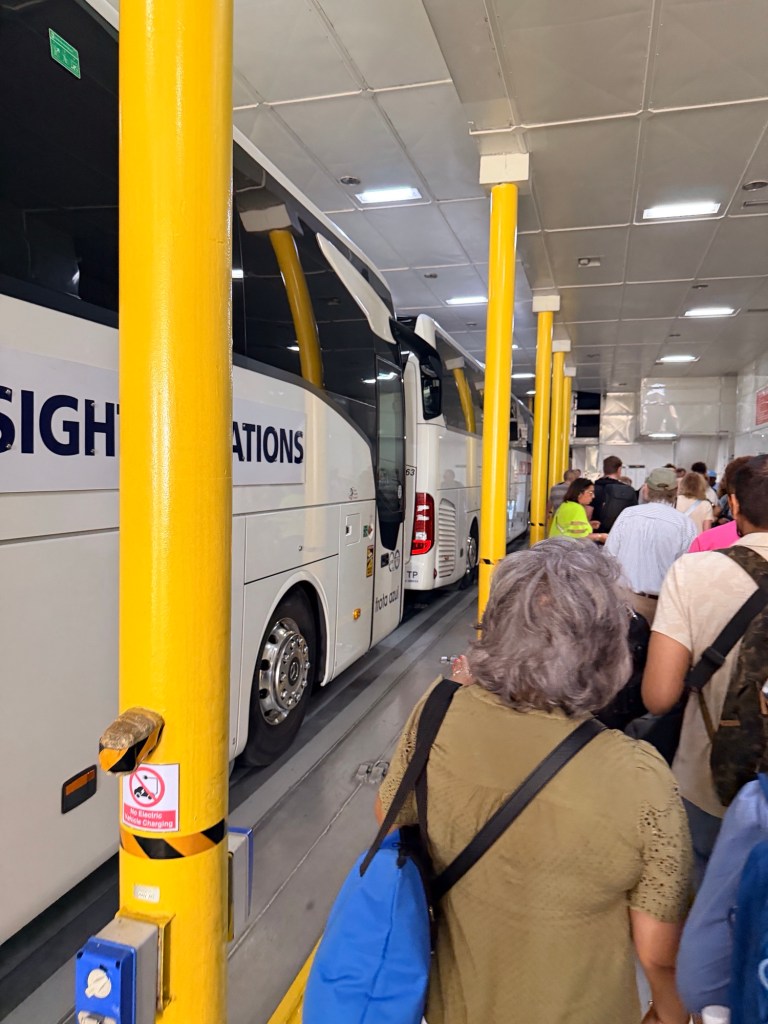
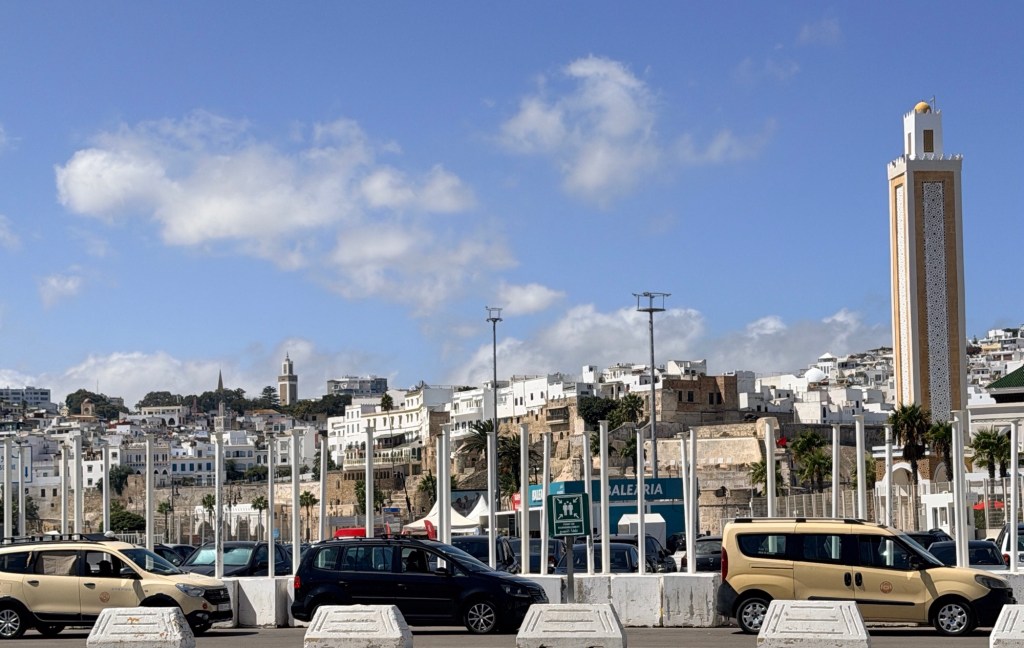
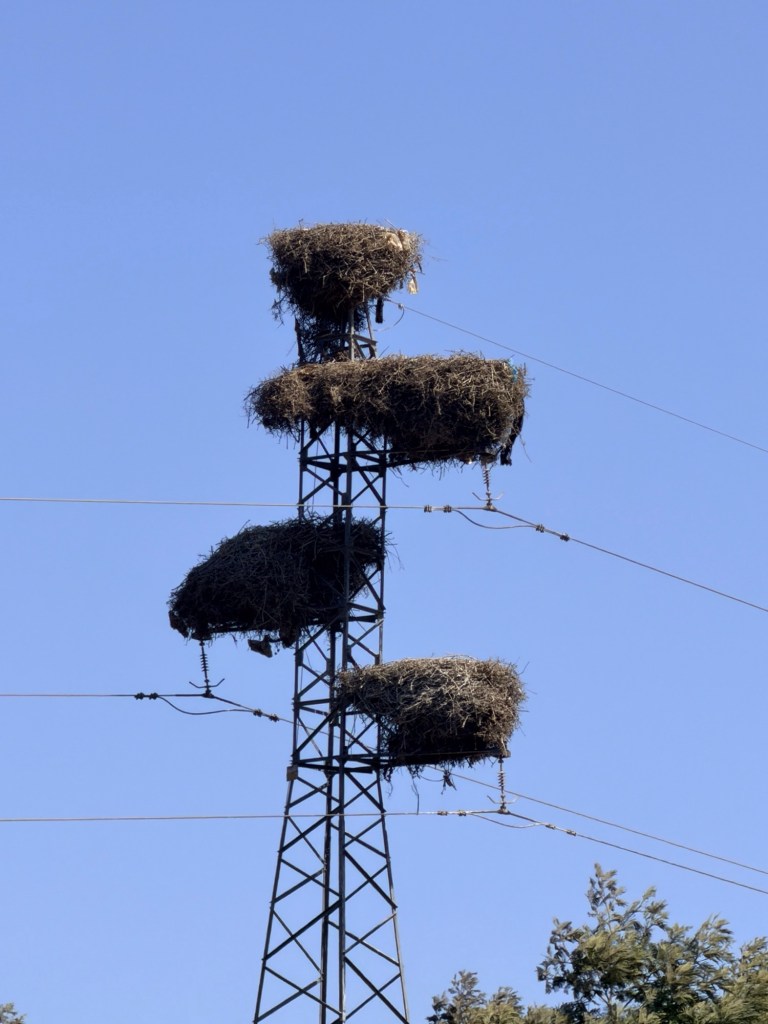
Our tour guide warned us and rewarned us, T.I.A. (This is Africa!) He asked us to be accepting and what we were to see wasn’t wrong but different.
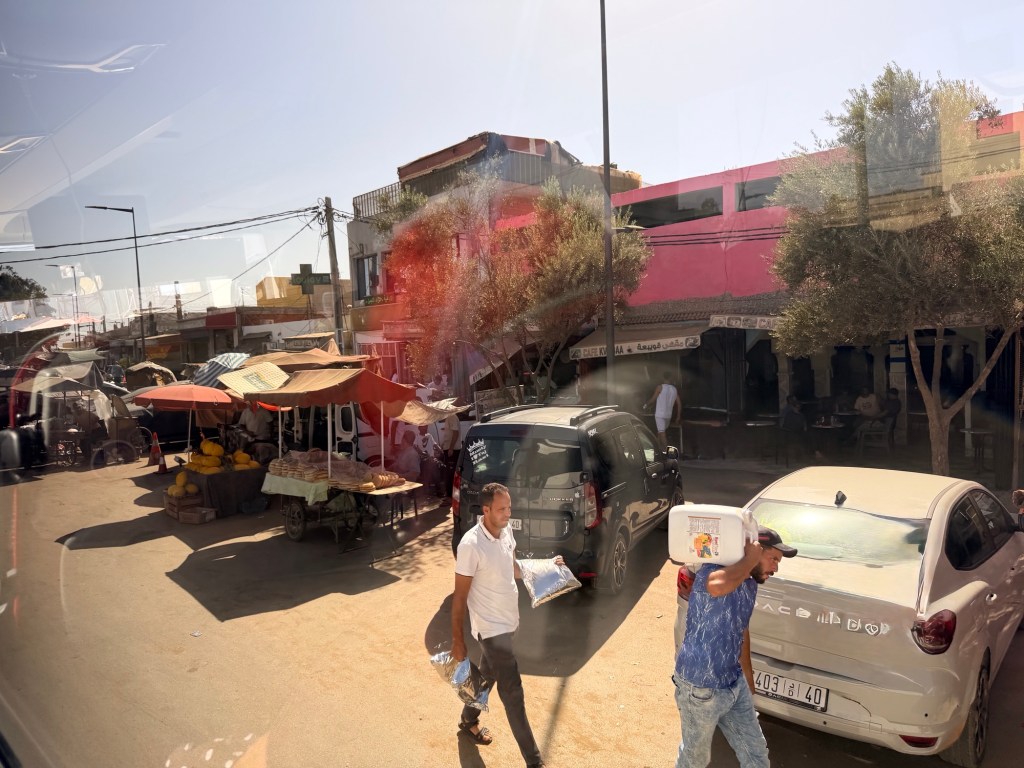
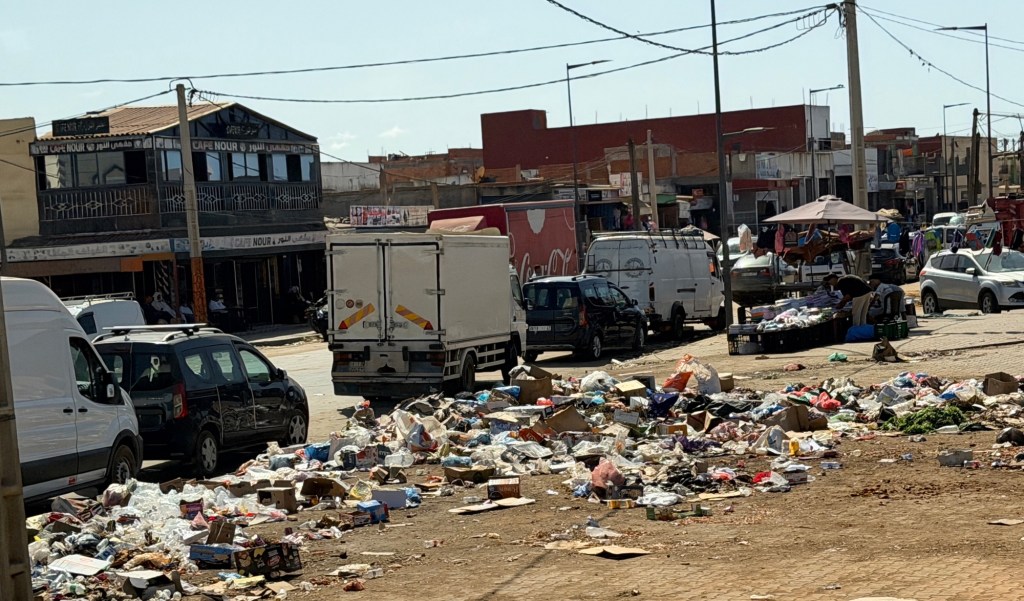
We are doing a 6 day tour of Morocco, a developing, lower middle-income country. Tangier looked like a reasonable city so initially I didn’t know what the fuss was about. When we left the freeway and took the national road my mindset changed. The smaller rural communities looked noticeably poorer. There was no structure to the roadside small businesses. Fresh meat would be hanging in the open air, next to a mechanic or someone burning off. The bus needed to dodge donkeys pulling carts. It didn’t look as if they had a garbage collection service as it was strewn and dumped everywhere.
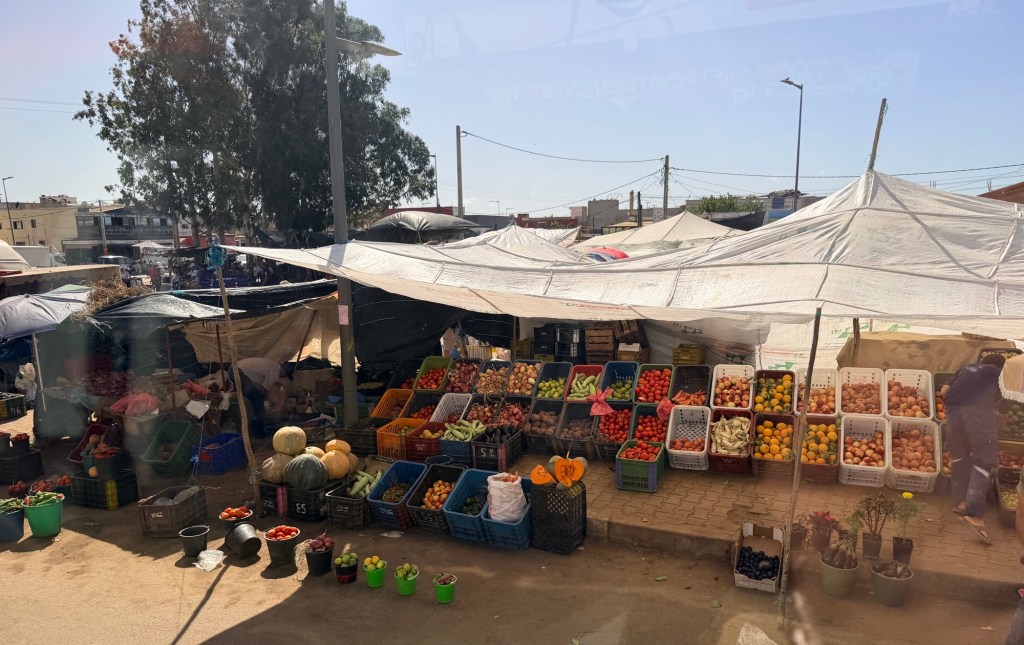
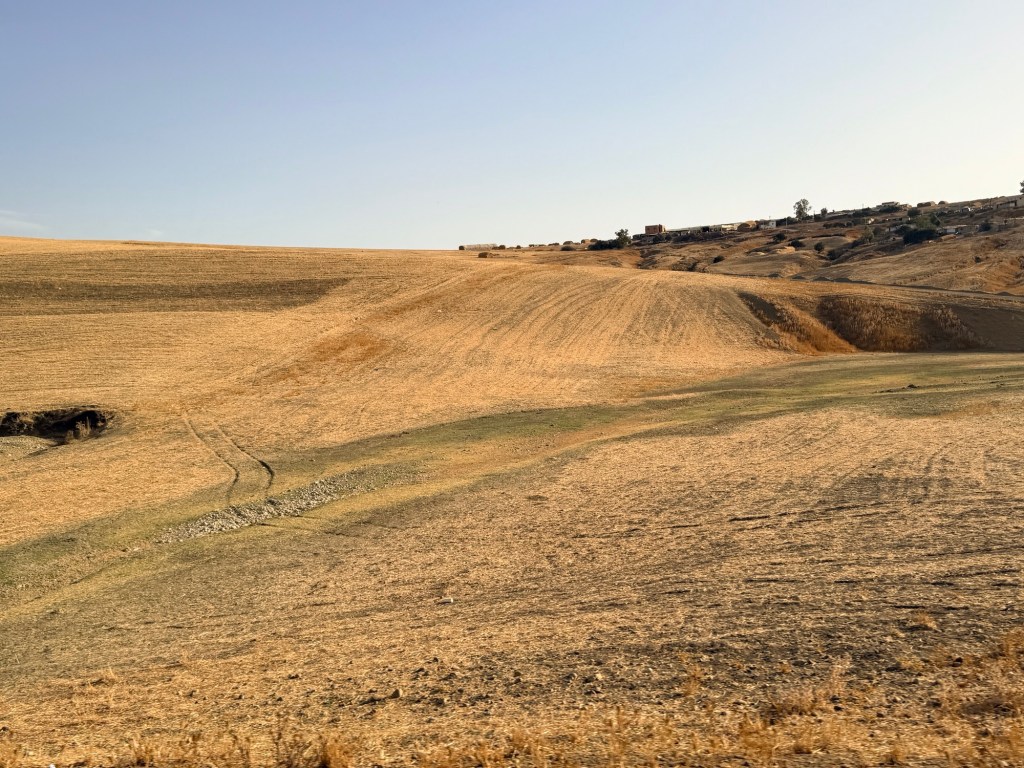
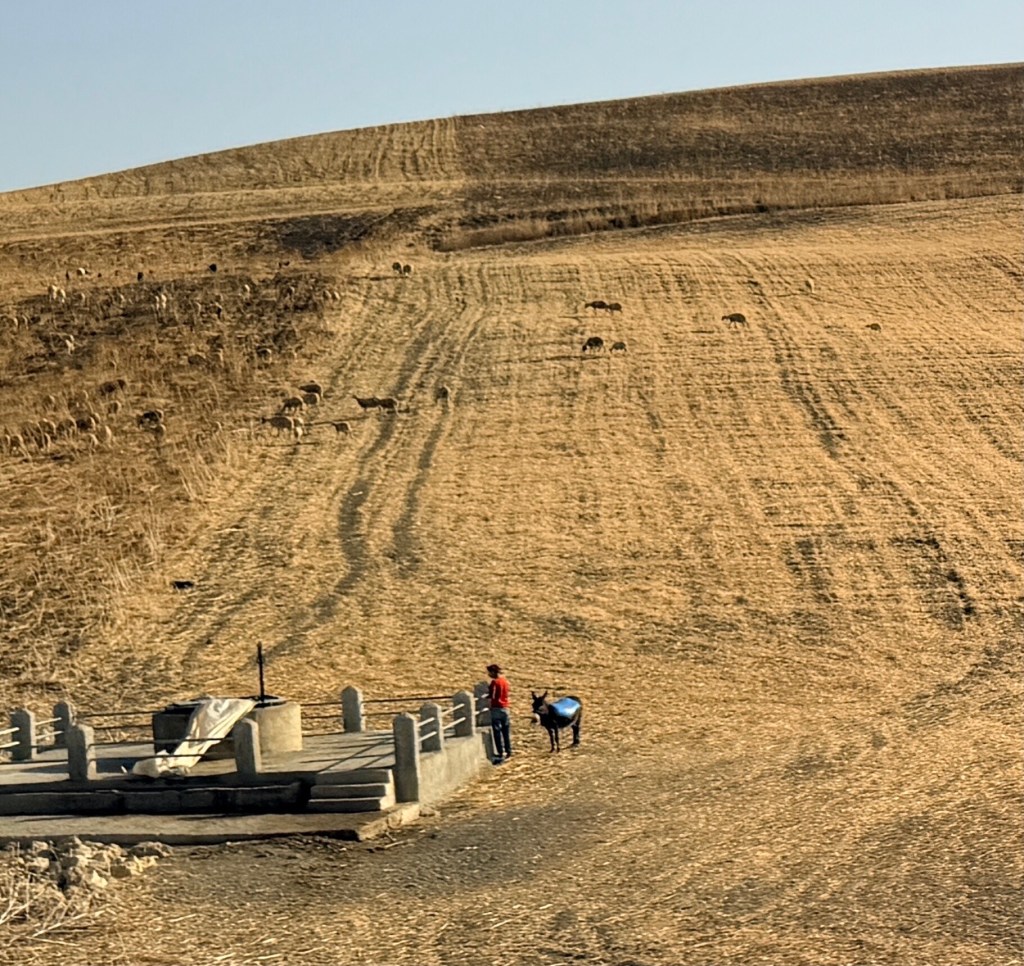
The bus meandered through the open hills where we were then passing cornfields and olive and fruit tree plantations. A single shepherd would be tending to a small flock of sheep, often in the open with no shelter. It was hot and looked very dry but we were told water was not a problem in Morocco as the King has built many dams.
It had been a long day, made longer by the police pulling over our bus for speeding. After some time and perhaps some payola, we were on our way finally arriving at our hotel in Fes where dinner was waiting for us. We were told it was an alcohol free country but somehow our hotel had a wine bar and nightclub!
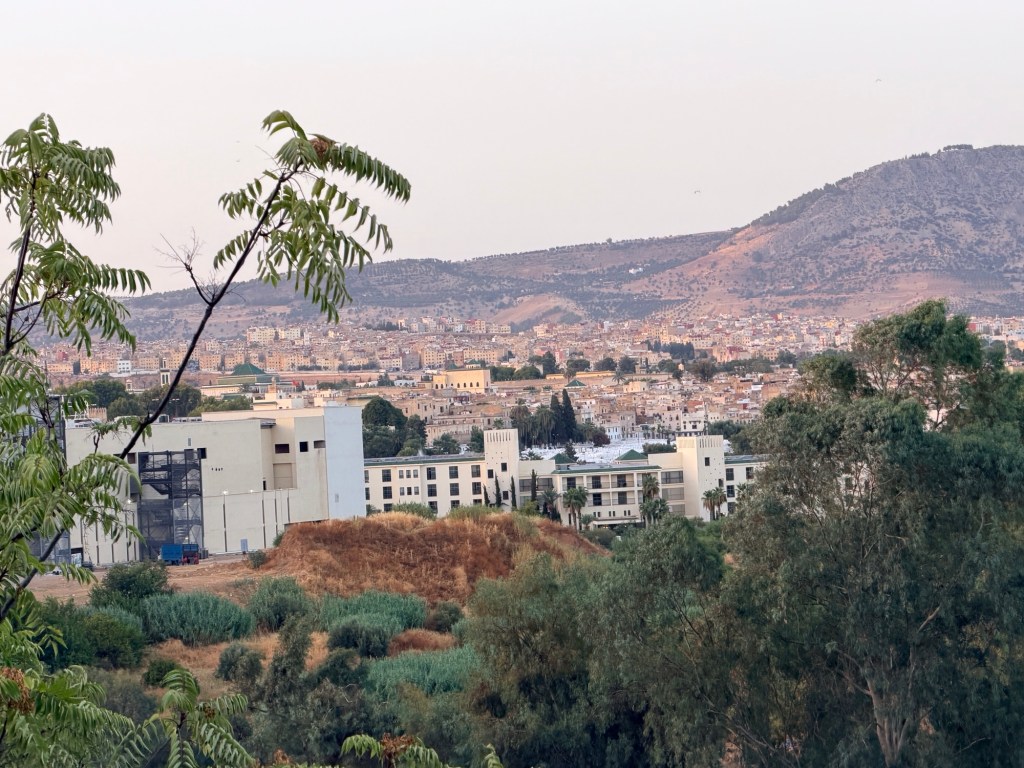
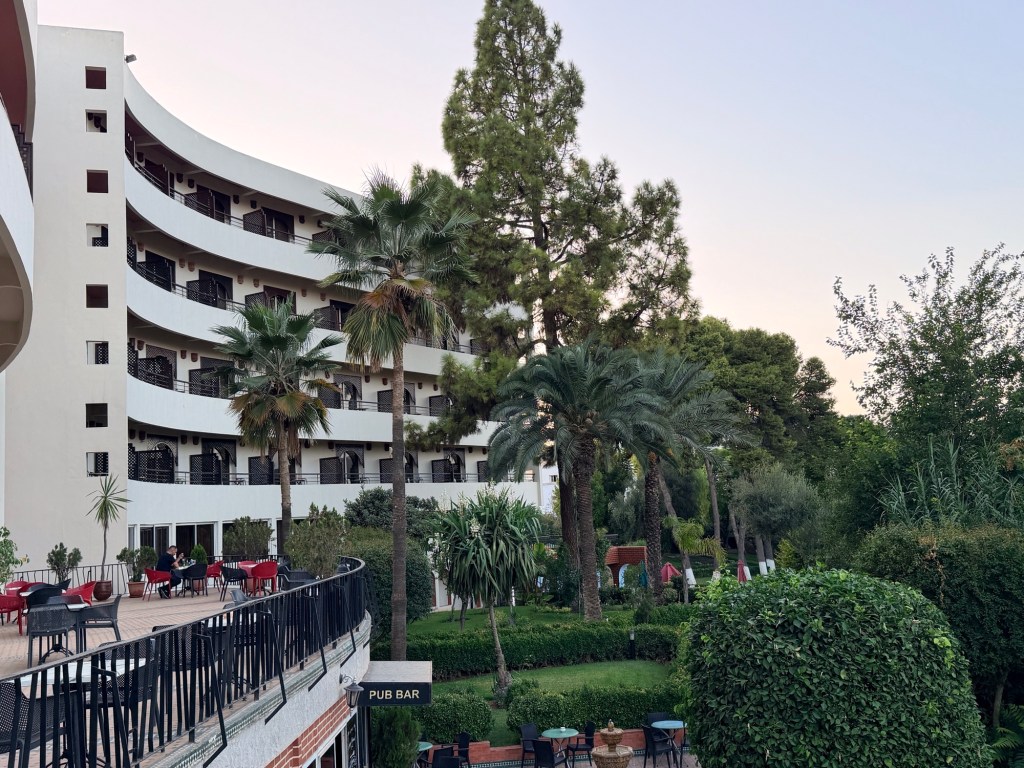
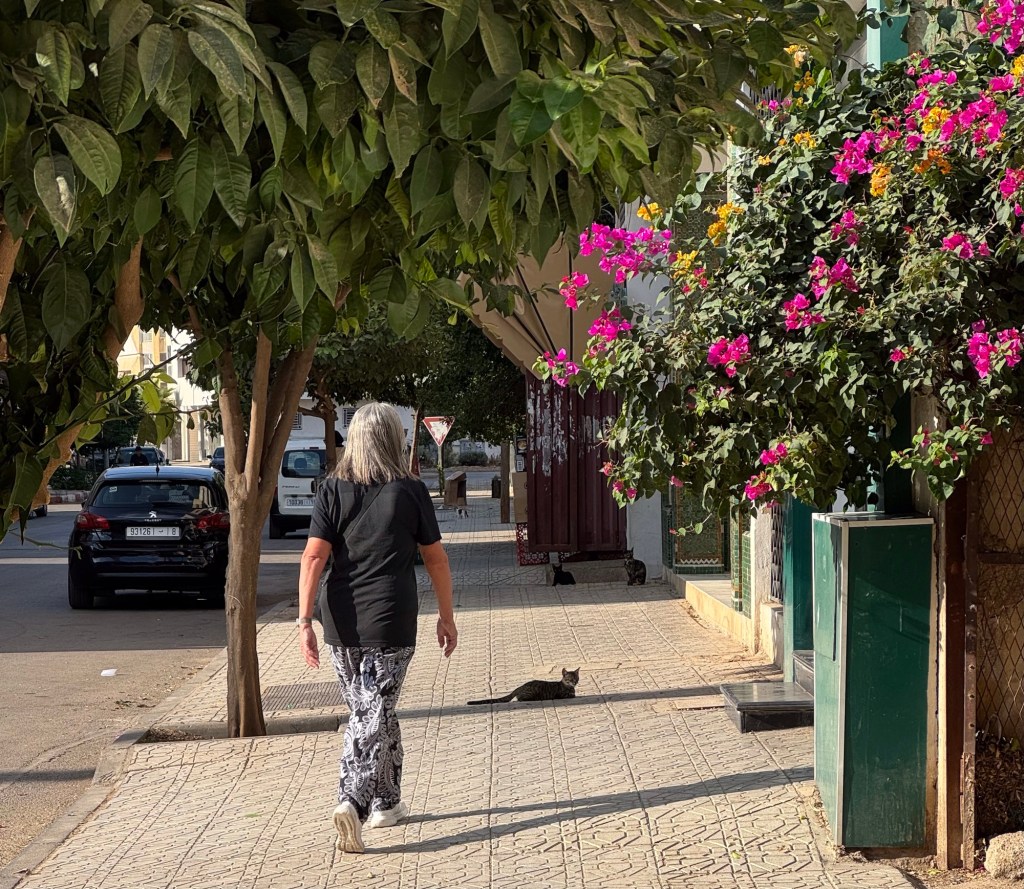
Fes is one of the oldest cities in Morocco and ex capital but besides the old city there is the newer more modern city. It has built a major football (soccer) stadium as Morocco is part of the 2030 FIFA shared world cup with Spain and Portugal.
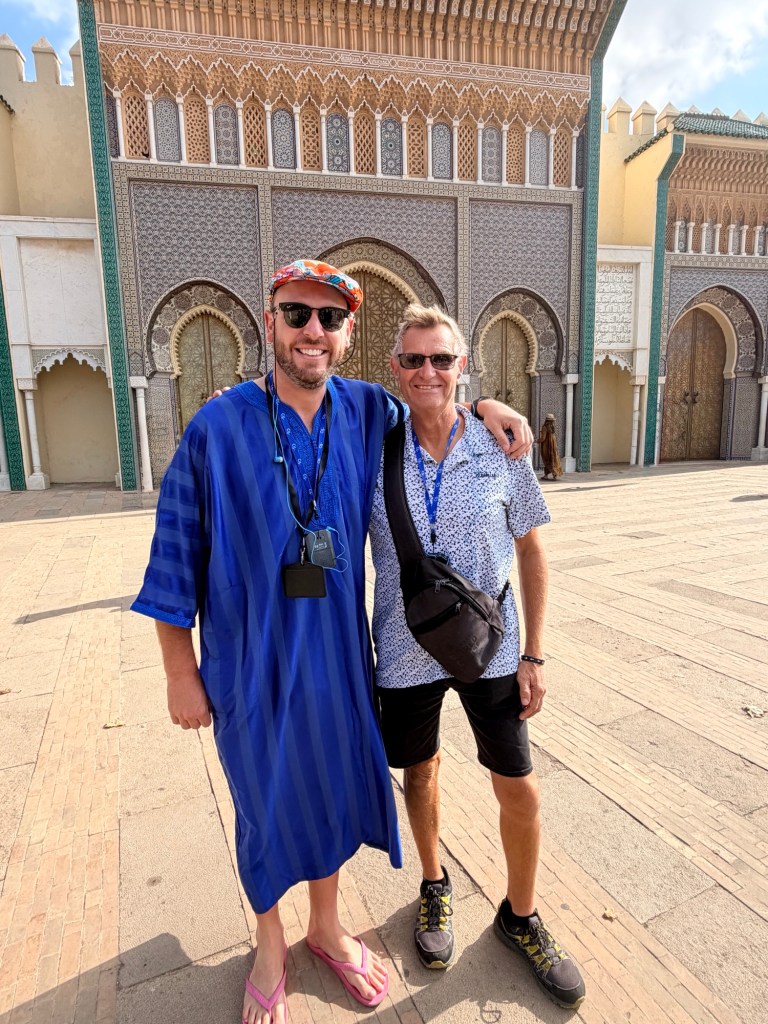
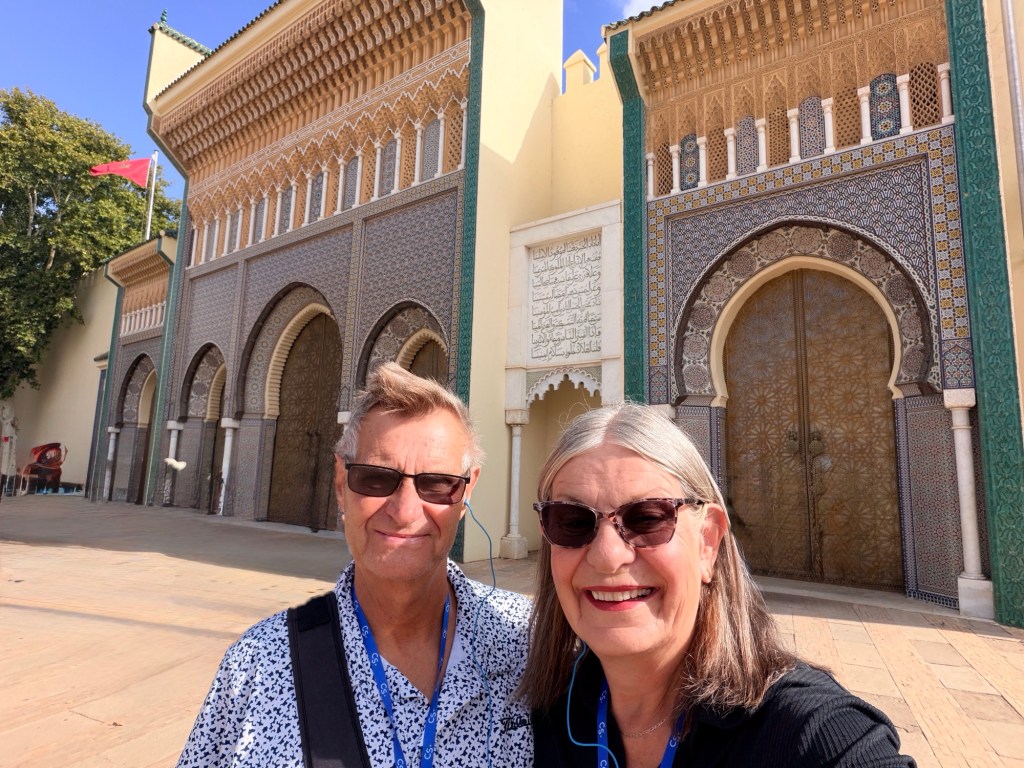
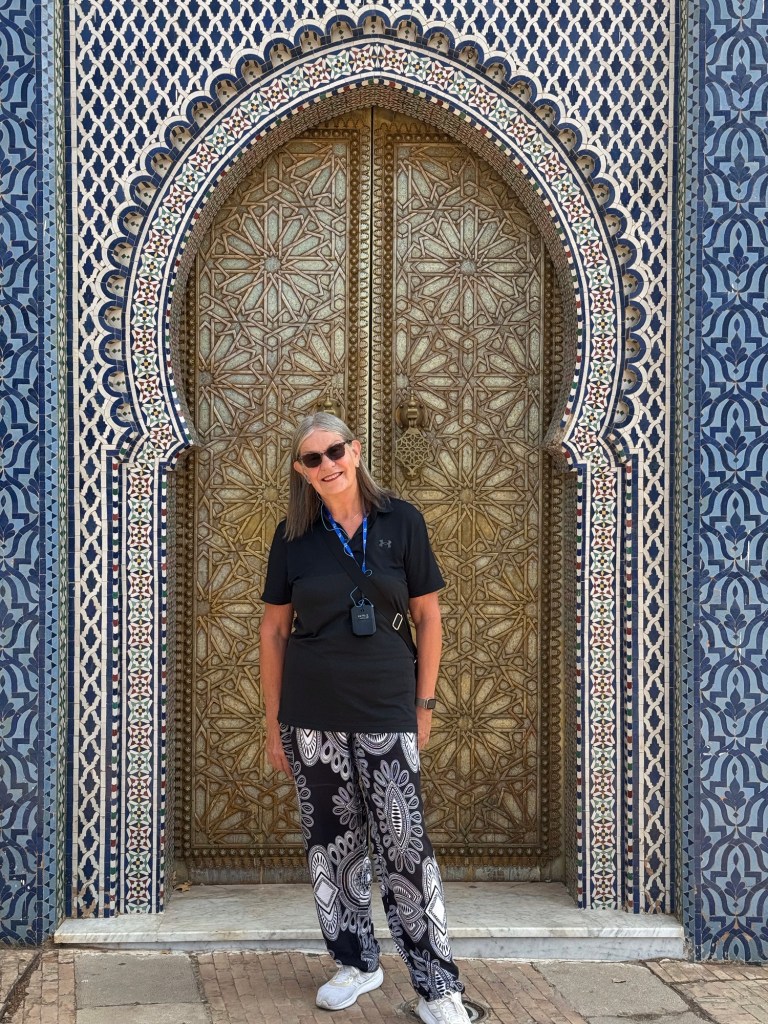
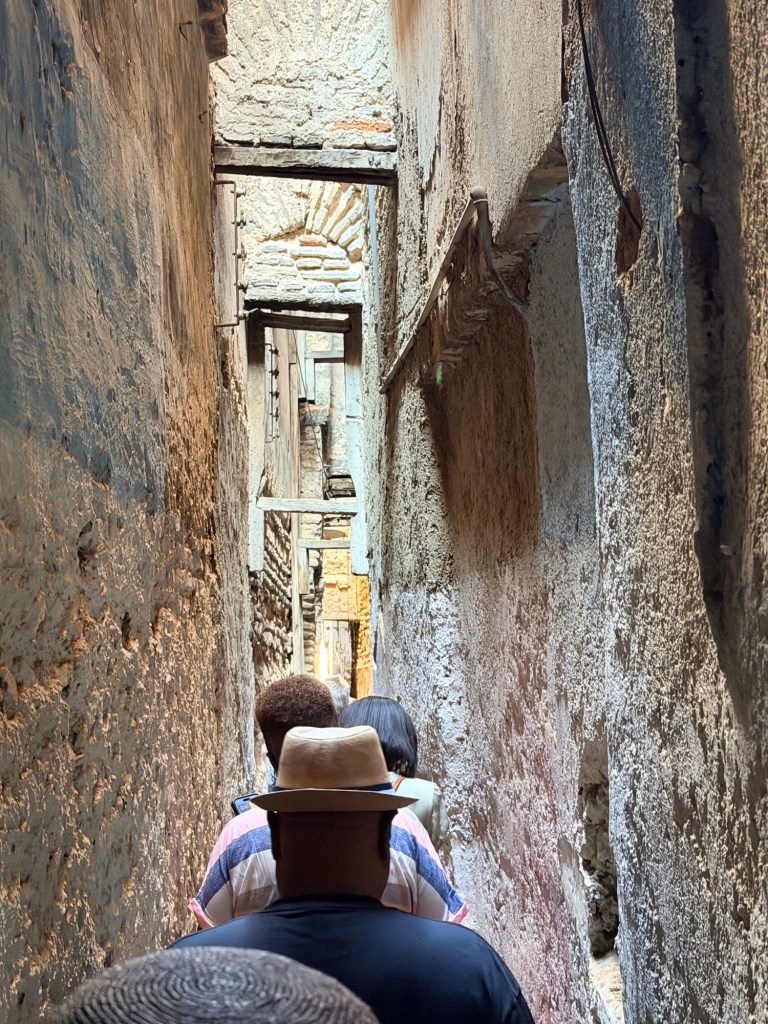
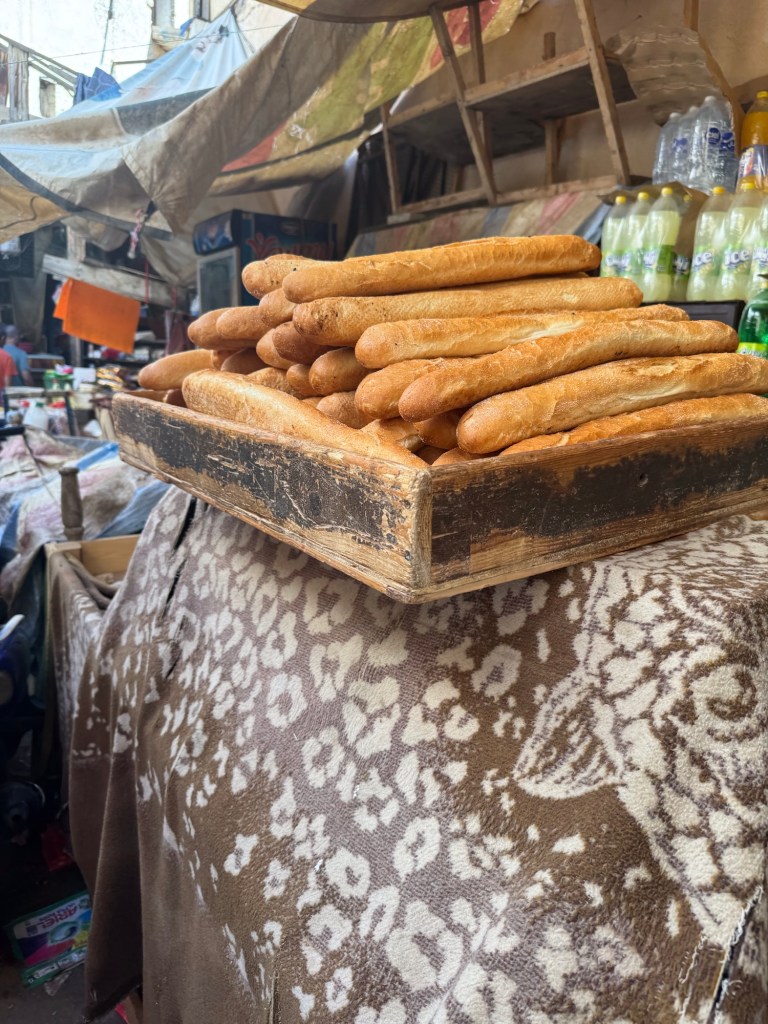
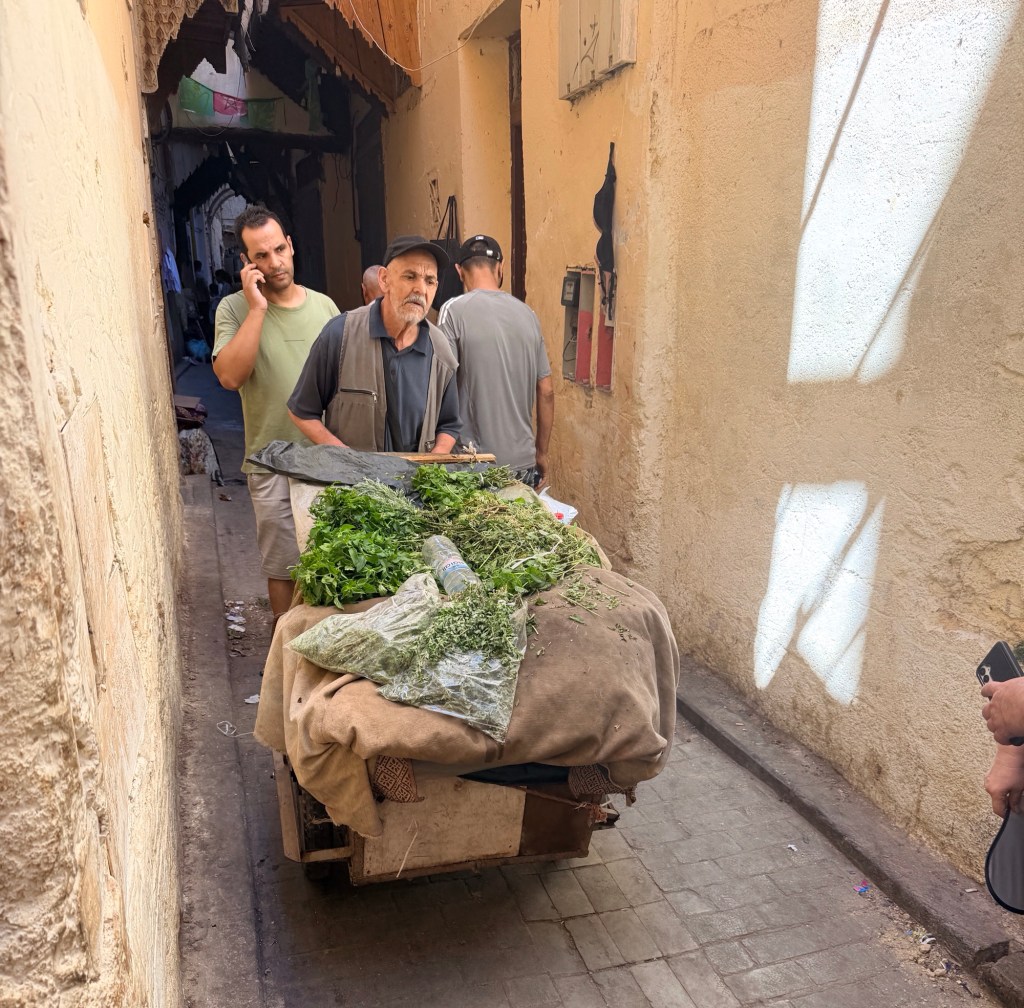
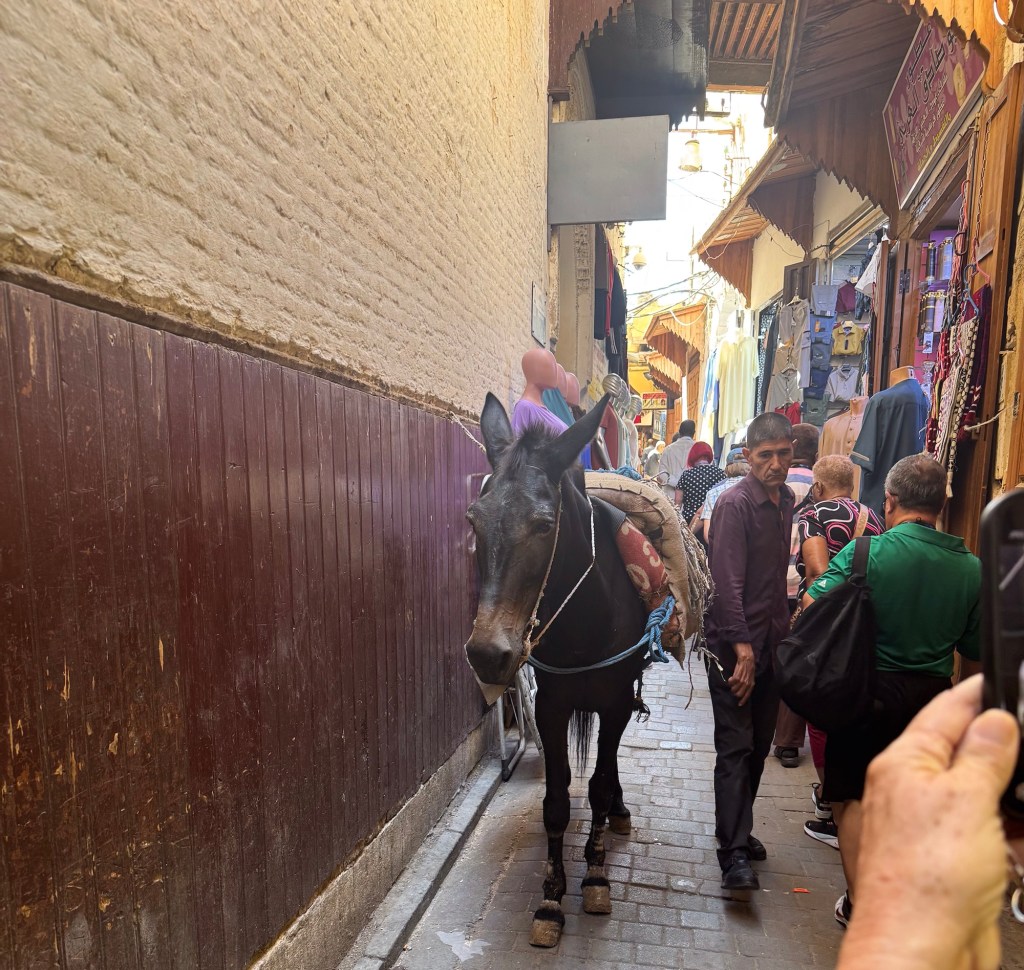
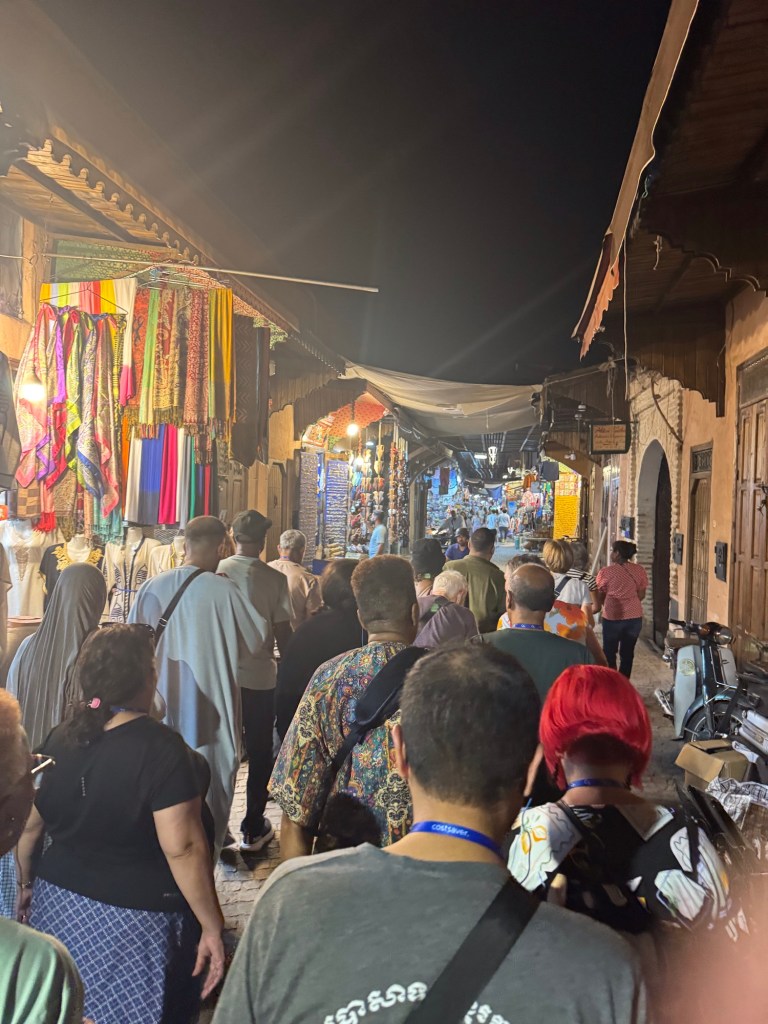
A new day started with a visit to the Medina, (old city). This is where things got real. TIA! Not wrong just different. The Medina has the marketplace. It’s a labyrinth of small streets and alleyways. We were broken up into a smaller group and had a local guide and helpers at the rear to keep us together and safe. Surrounded by a wall, the market goes back to the 9th century. I thought I had seen some narrow streets in old towns from past travels but some of these would barely allow two people passing. As it opened up we came across fresh hanging meats next to fruit stalls next to fish stalls next to baked bread stalls. Often we would hear the shout of “balak balak”which means “get out of the way!” Usually, there was a donkey pulling a loaded cart coming through. Thanks to our local helpers we avoided getting “Balaked”. We had to tread carefully to avoid standing on cats or kittens or their chocolate droppings. We left the food section and there now seemed to be a bit more organisation to the stalls i.e. grouping of spices, clothes, fabrics, threads, shoes etc. We were warned we may see a Camels head waiting for sale but luckily not today, although I did look carefully at the meat served in the Tagine at dinner. Interestingly, most of the souvenirs now come from China.
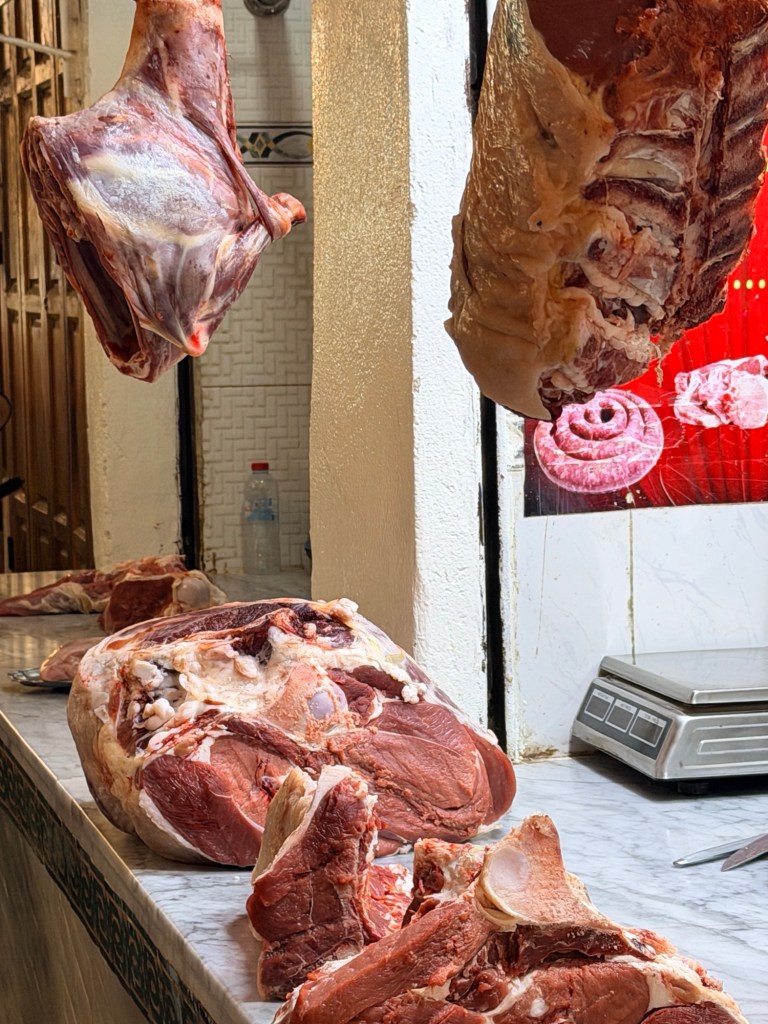
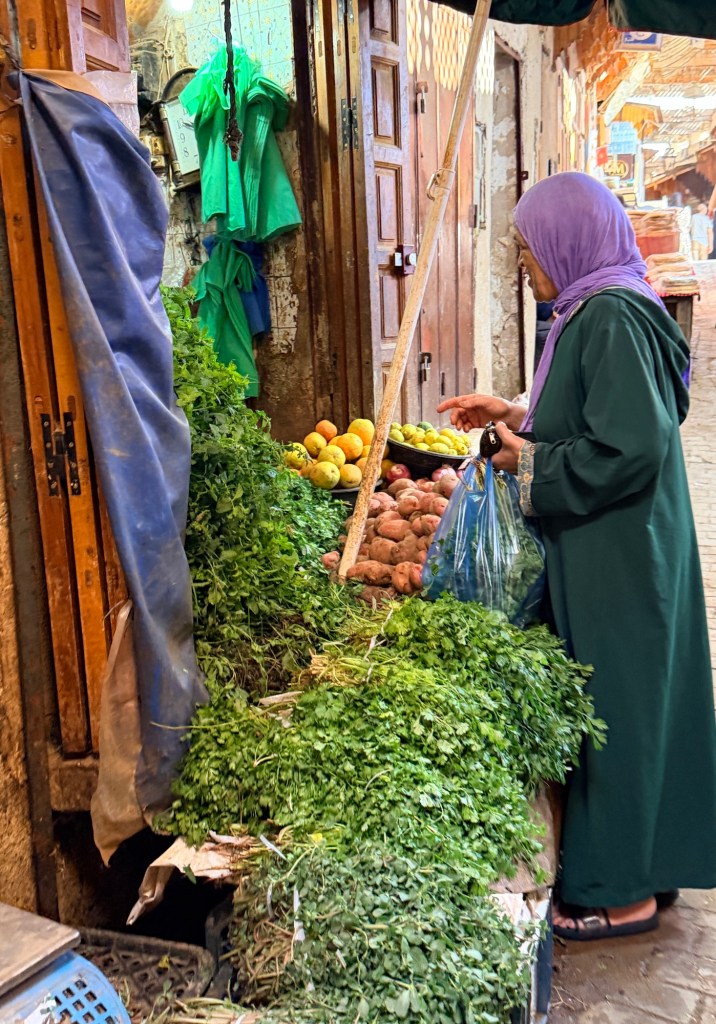
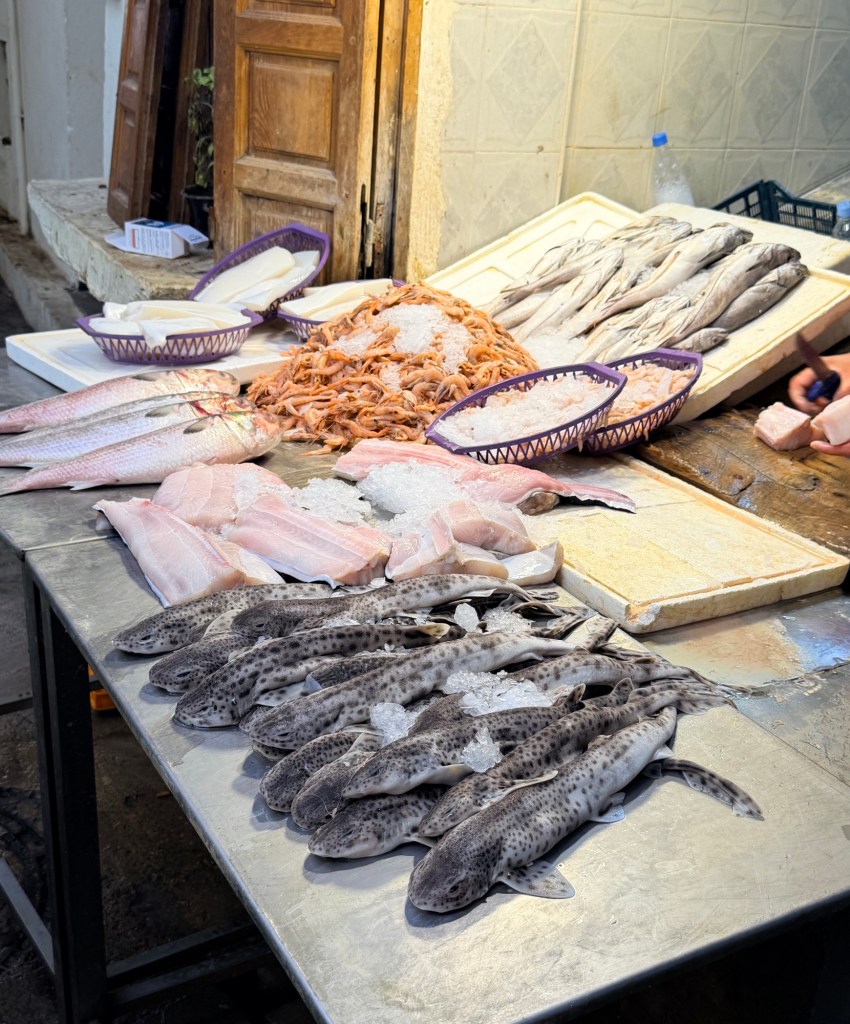
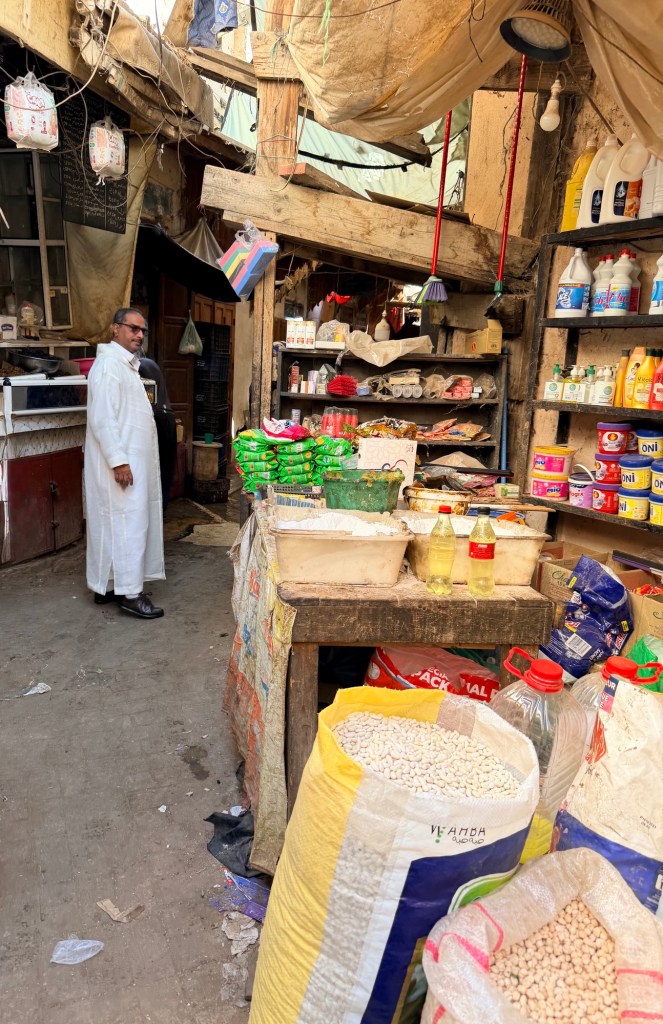
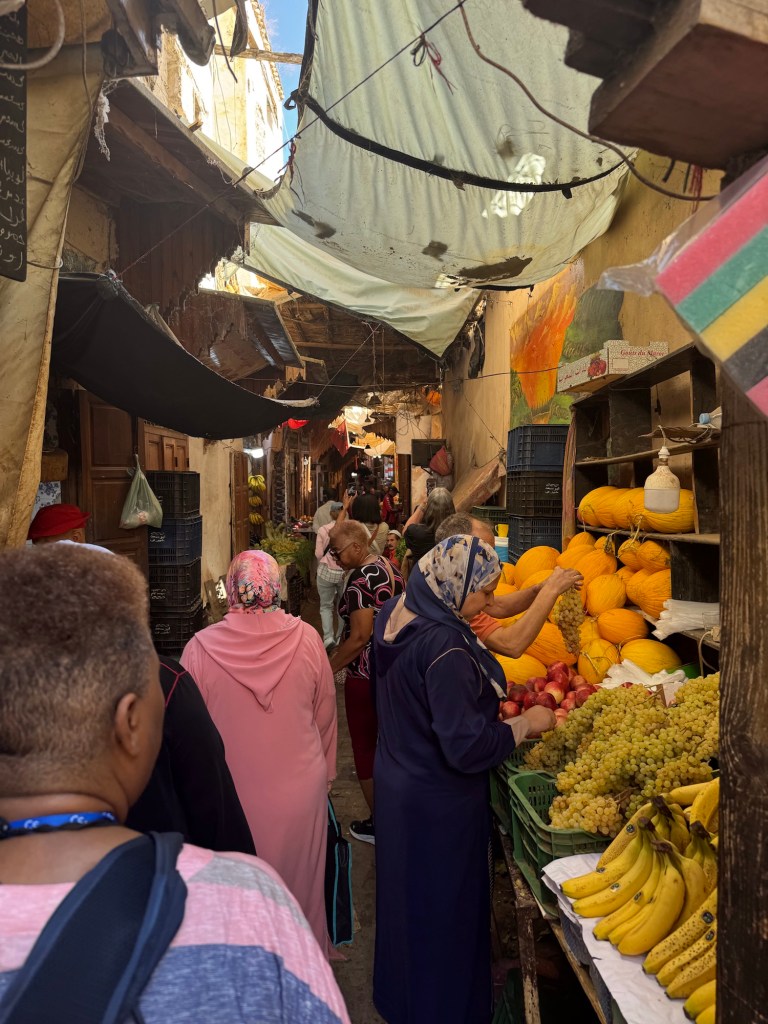
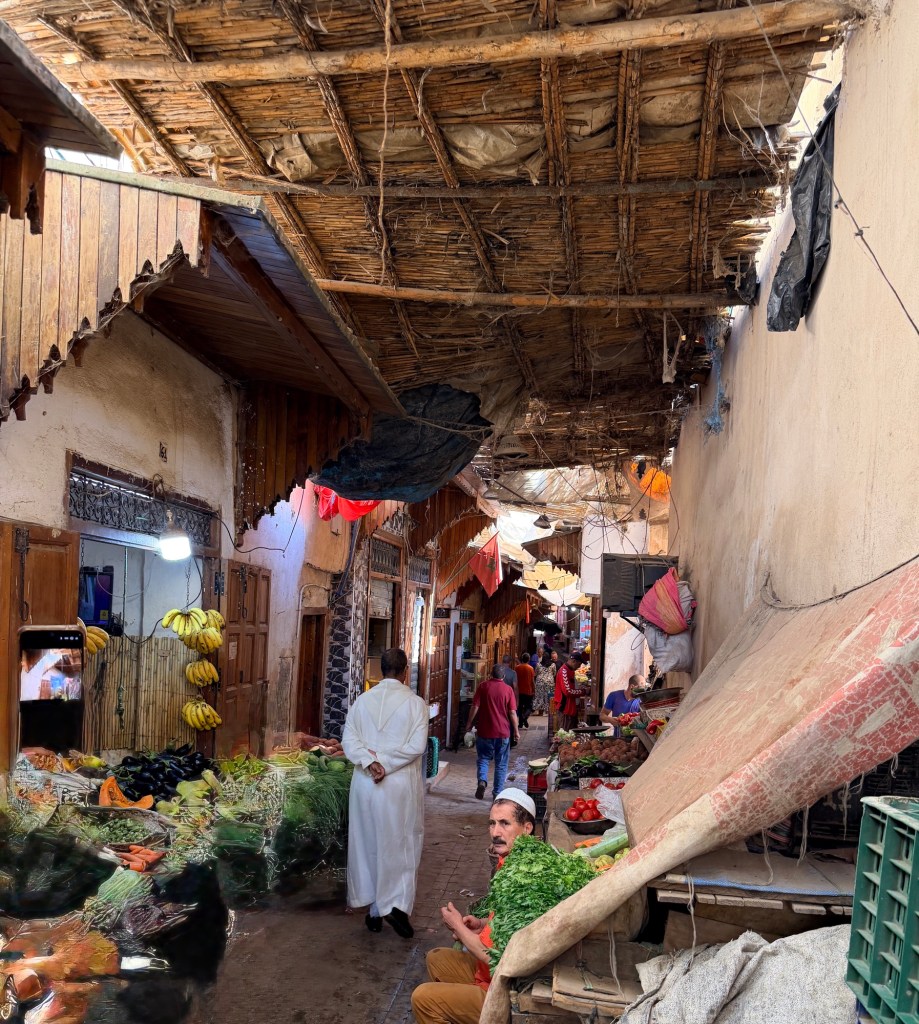
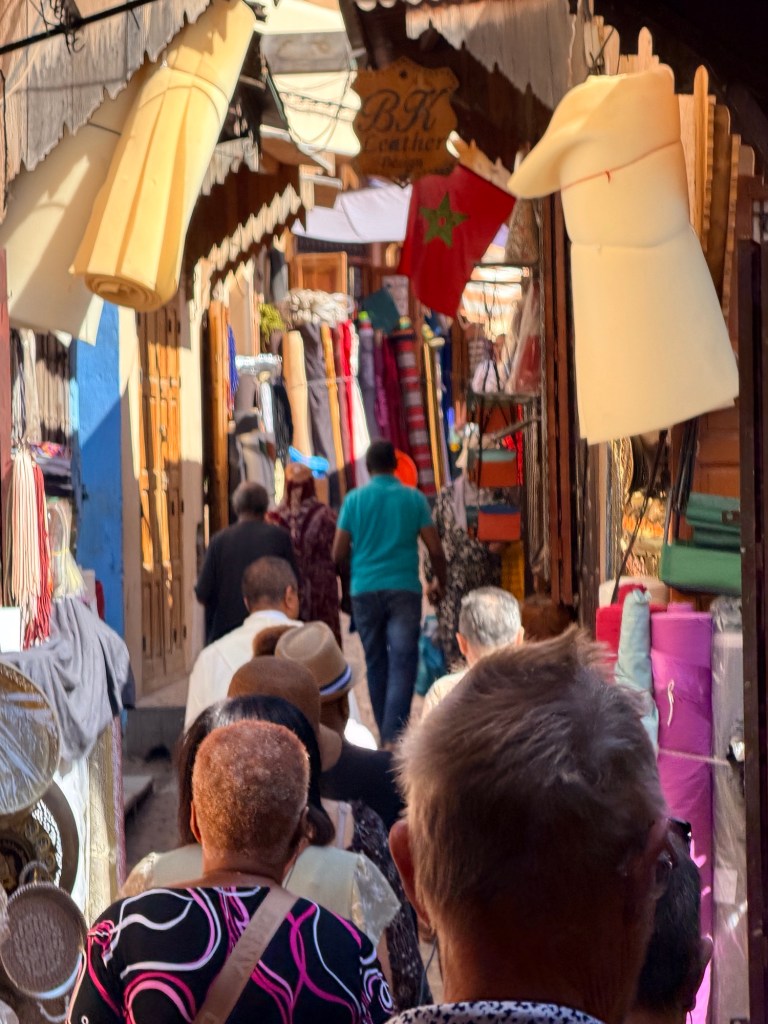
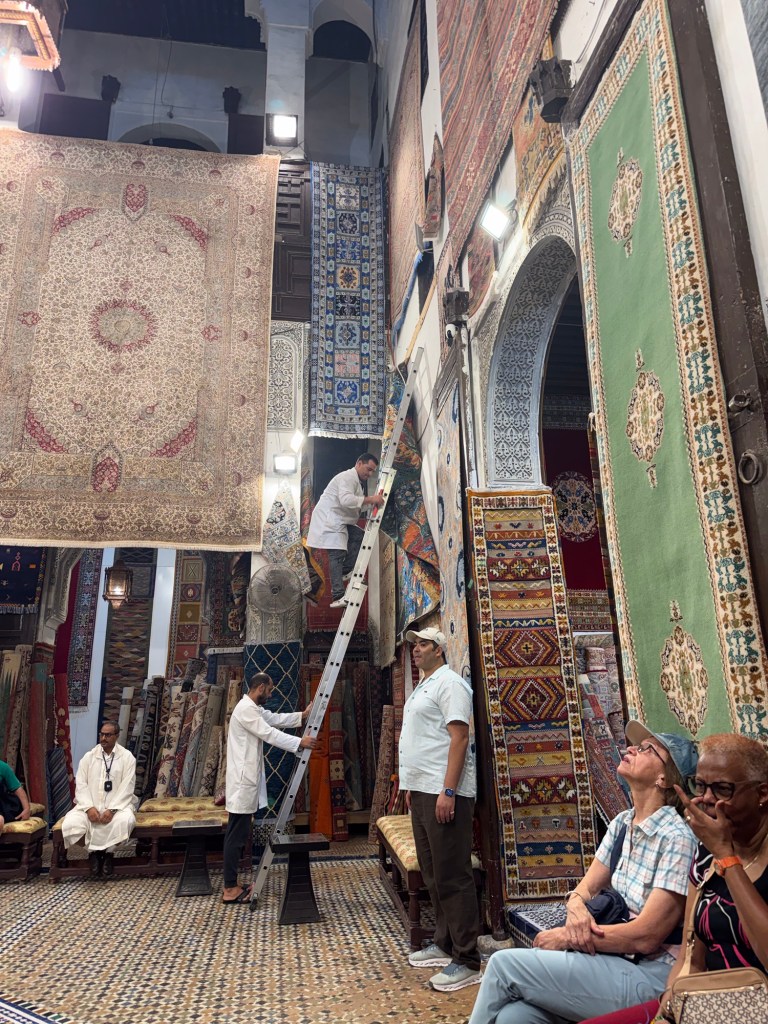
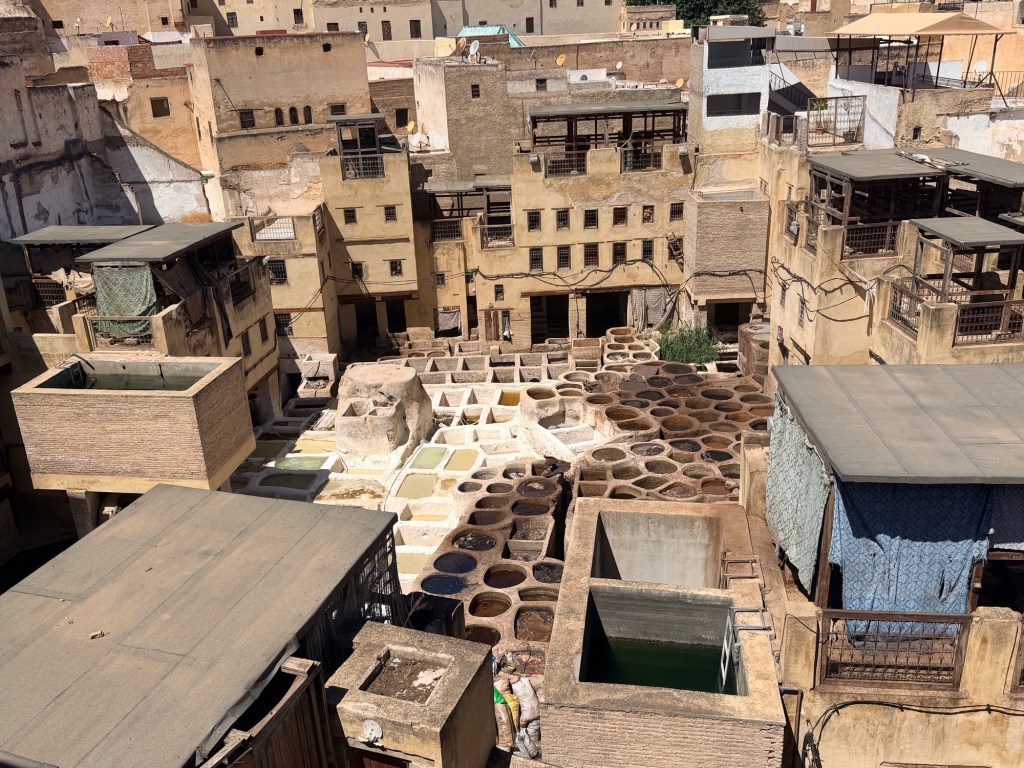
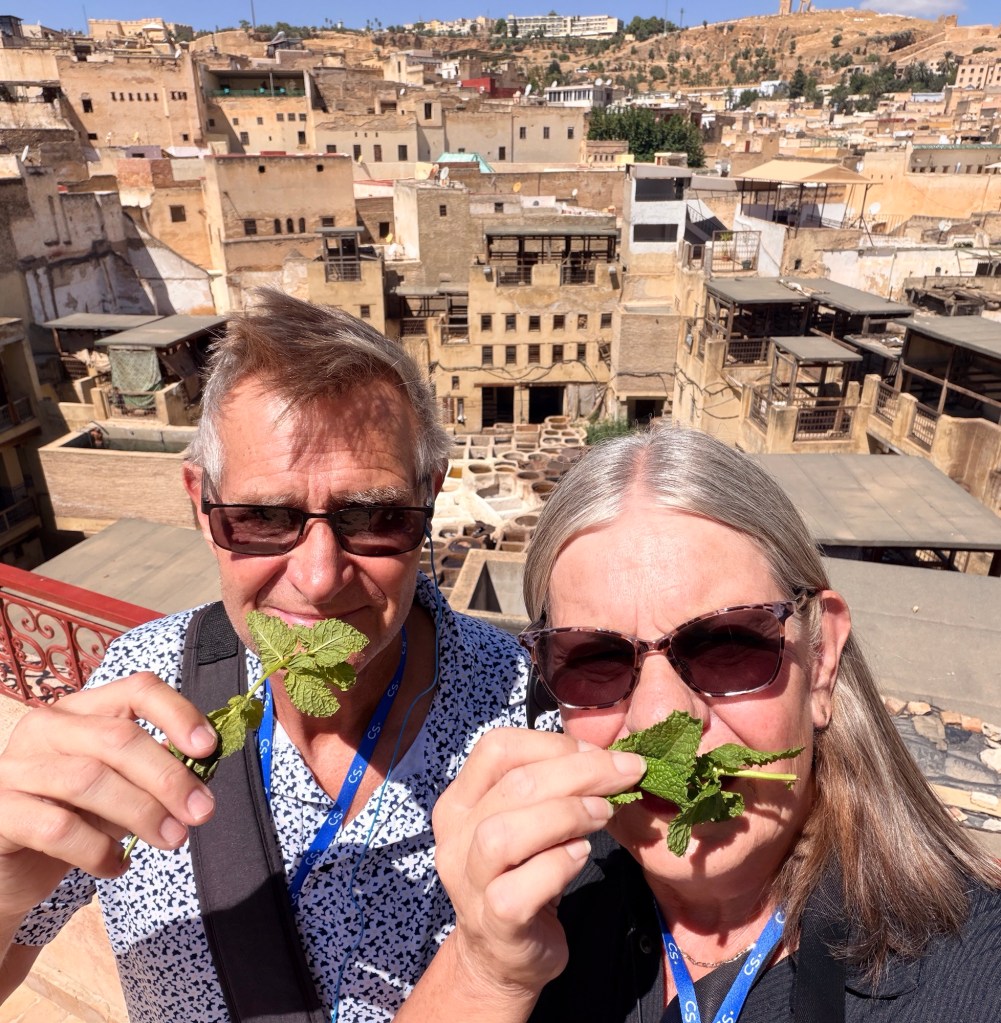
You couldn’t leave the market without visiting the carpet area. All handmade, these carpets are beautiful but unfortunately I could not fit one into my backpack. Our last visit at the Medina was the tannery. We are fans of the TV series, The Amazing Race and one of their challenges was at this tannery. We were given fresh mint to hold under our noses to inhale for the smell but it really wasn’t that bad, but then we didn’t need to enter the vats as part of a challenge! The animal hides are put into liquid vats which contain pigeon poo and cow urine! This poo is high in nitrogen-rich compounds, uric acid and ammonia. The end leather products are amazing. Together with the buildings, the people, the hive of activity, it was certainly different from any other market we have visited. We made it out safely without me ending up with 4 wives or Ruthie needing to pay a ransom in camels! Ruthie said she felt as if she was Indiana Jones hustling through all those streets and alleyways. Funny as we were then shown part of the Medina actually used for filming the newest Indiana Jones movie.
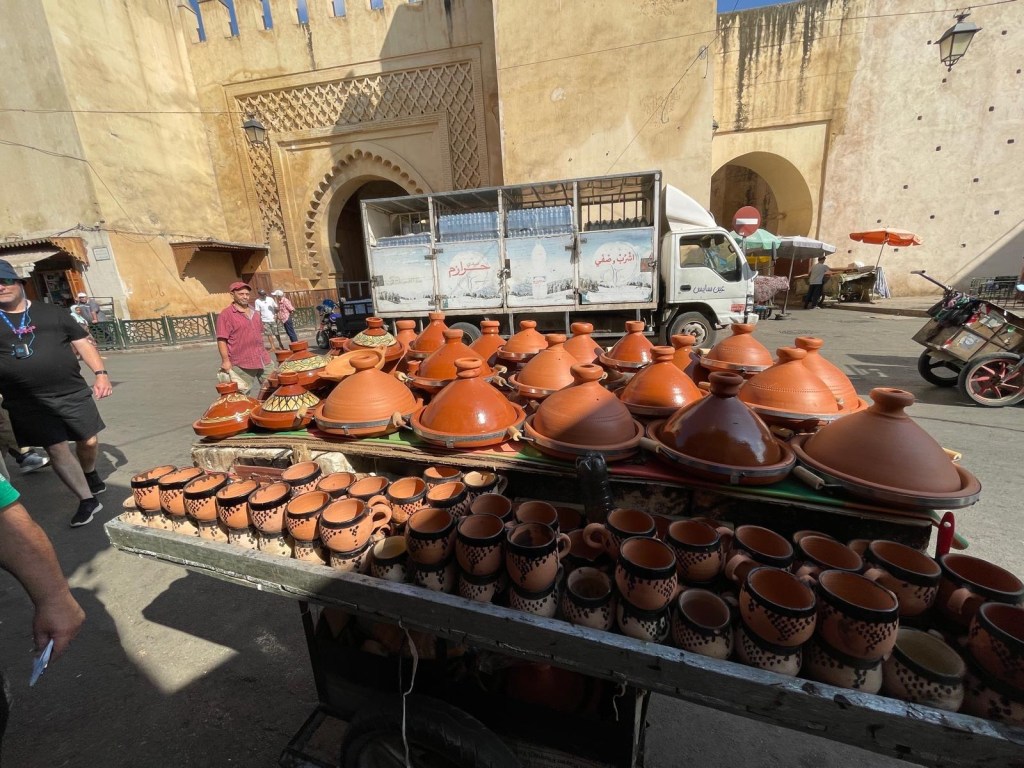
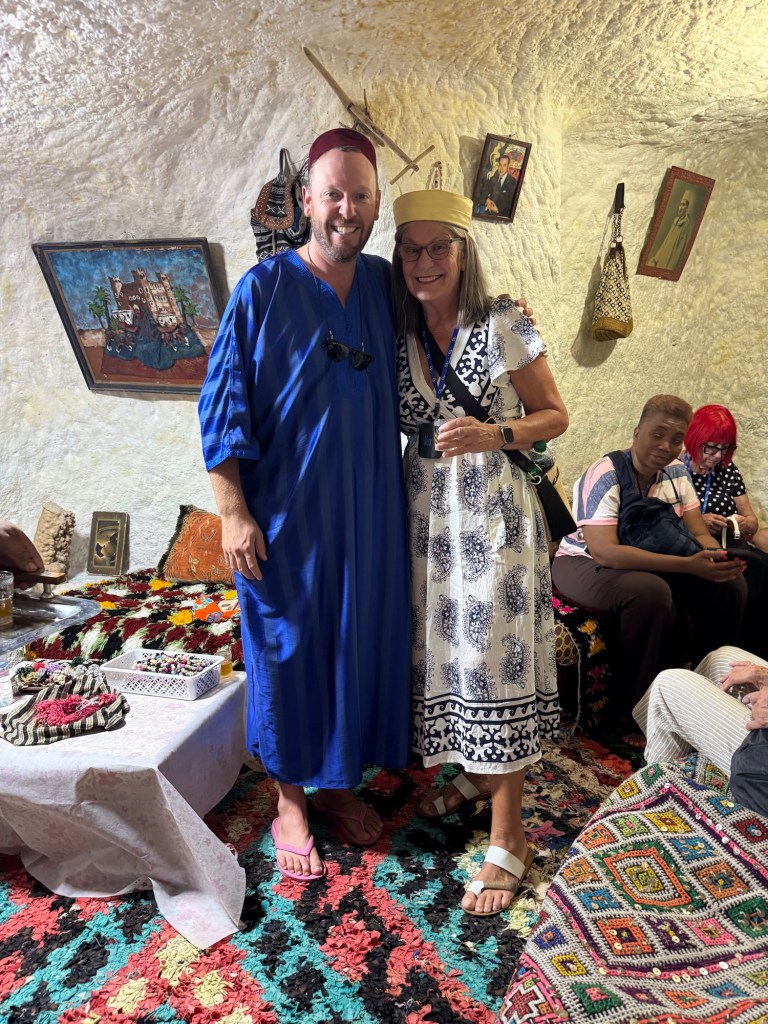
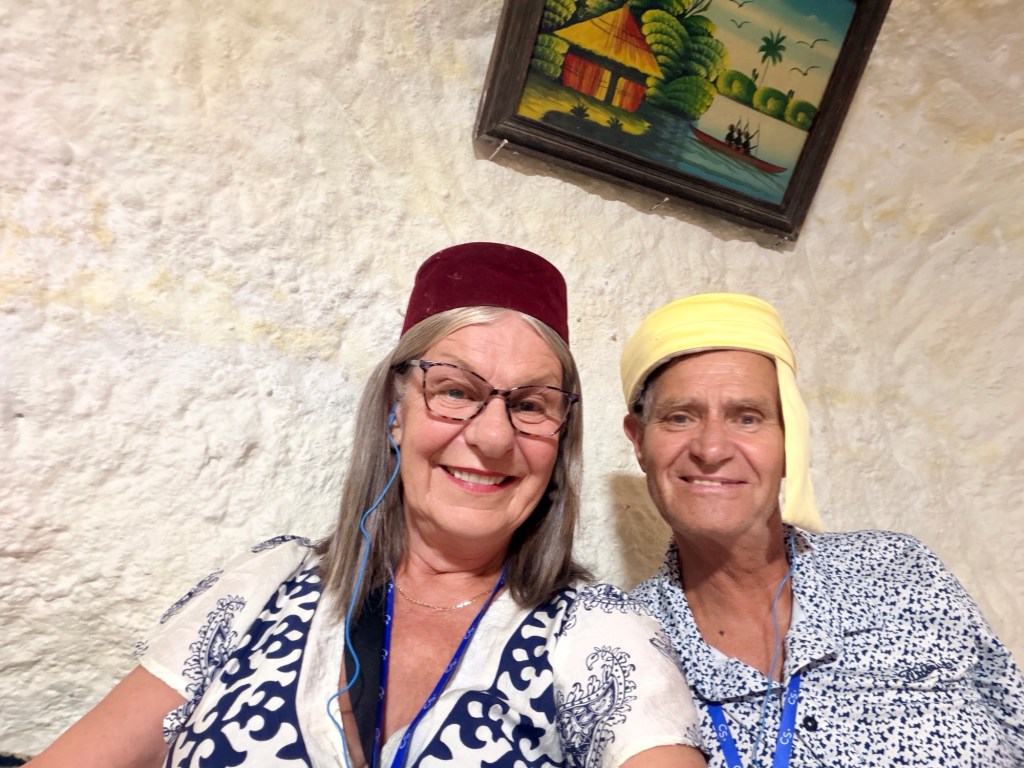
A quick refresh and we were off to Bhalil where the historic hillside troglodyte cave dwellings are lived in by an Amazigh (Berber) community. We were welcomed into one of the cave homes built originally by the Romans during their reign. These people are renowned for their warm hospitality and preserved traditions including local handcrafting of intricate silk threads into buttons. Mint tea is the Moroccan drink of choice and the custom is to pour it from a height. Although it is non-alcoholic, it is known as Moroccan whisky. We enjoyed several cups while interpreting the cave home owners stories. A truly humbling experience that showed the simple things in life is all that is needed for happiness.
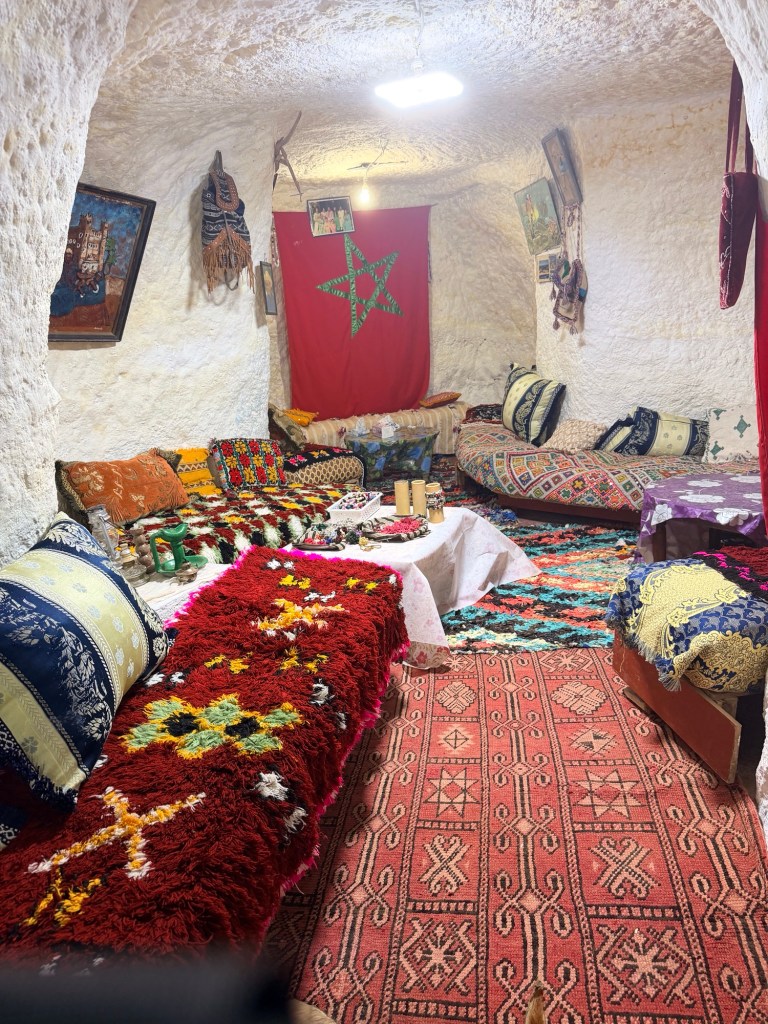
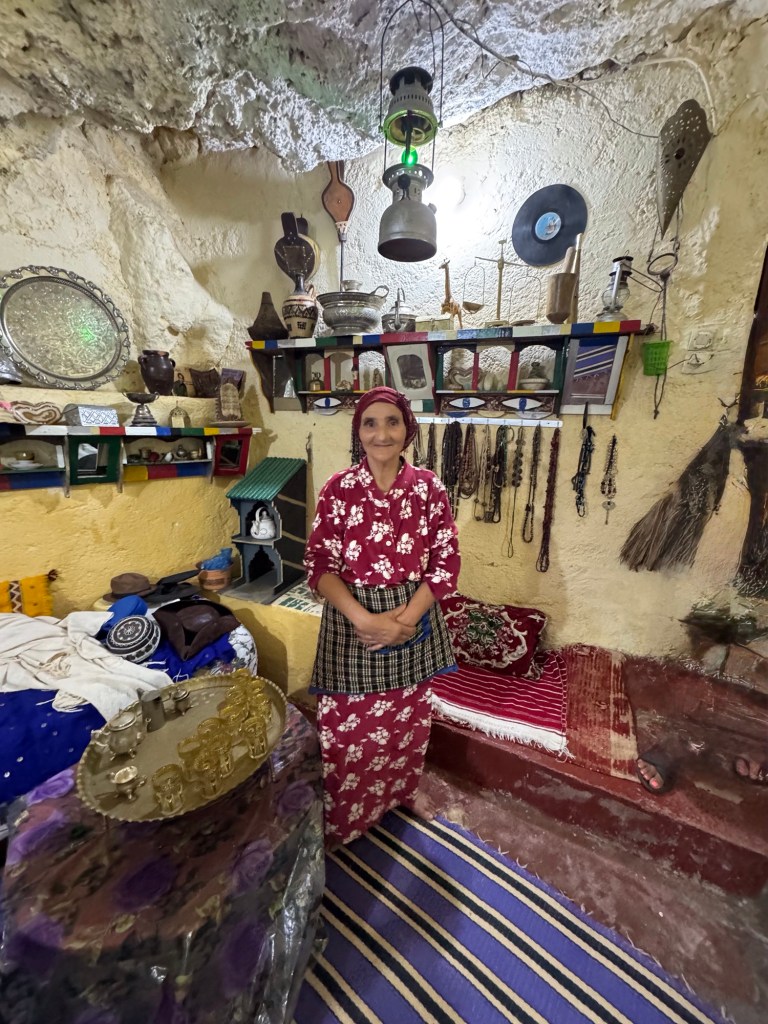
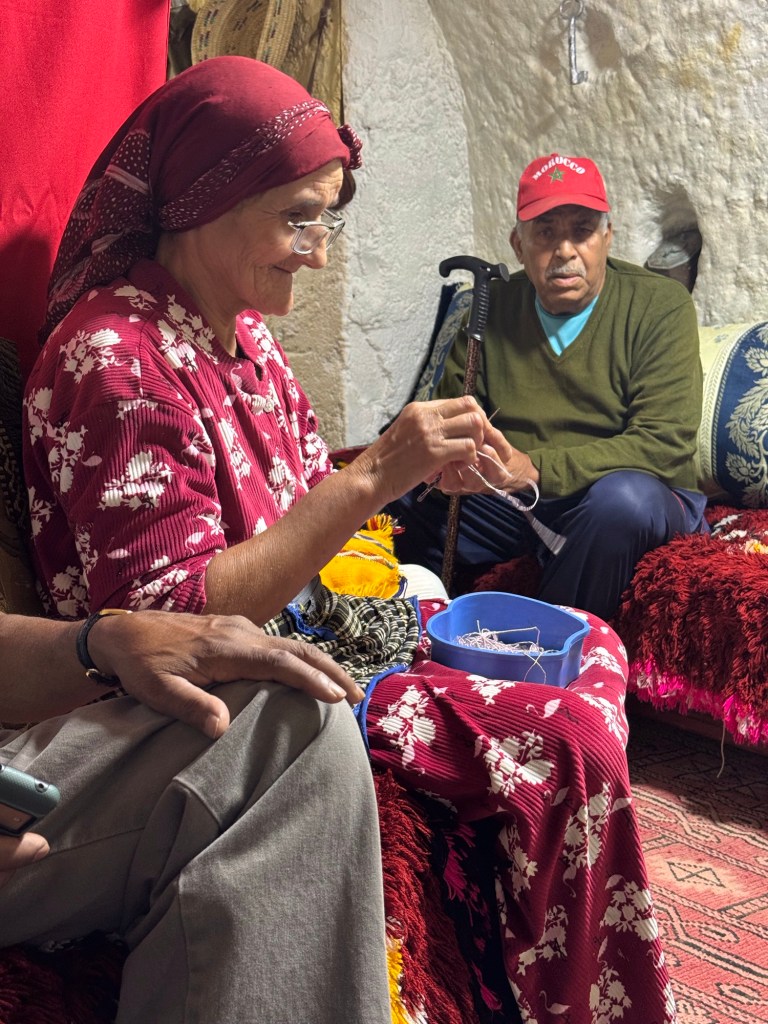
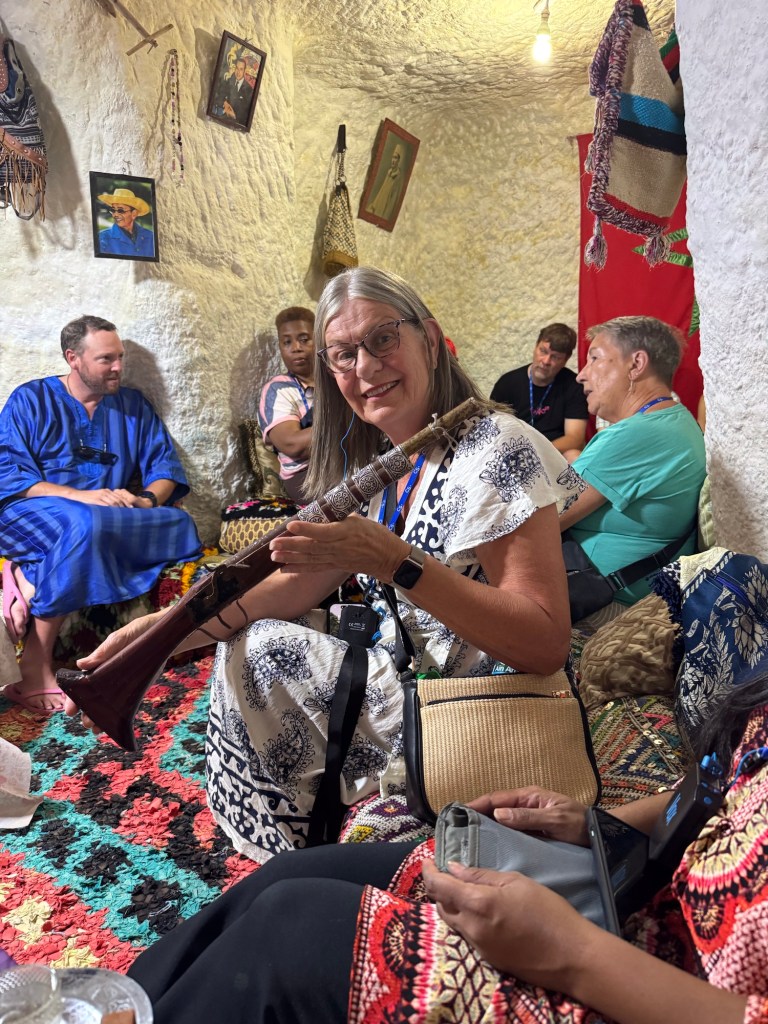
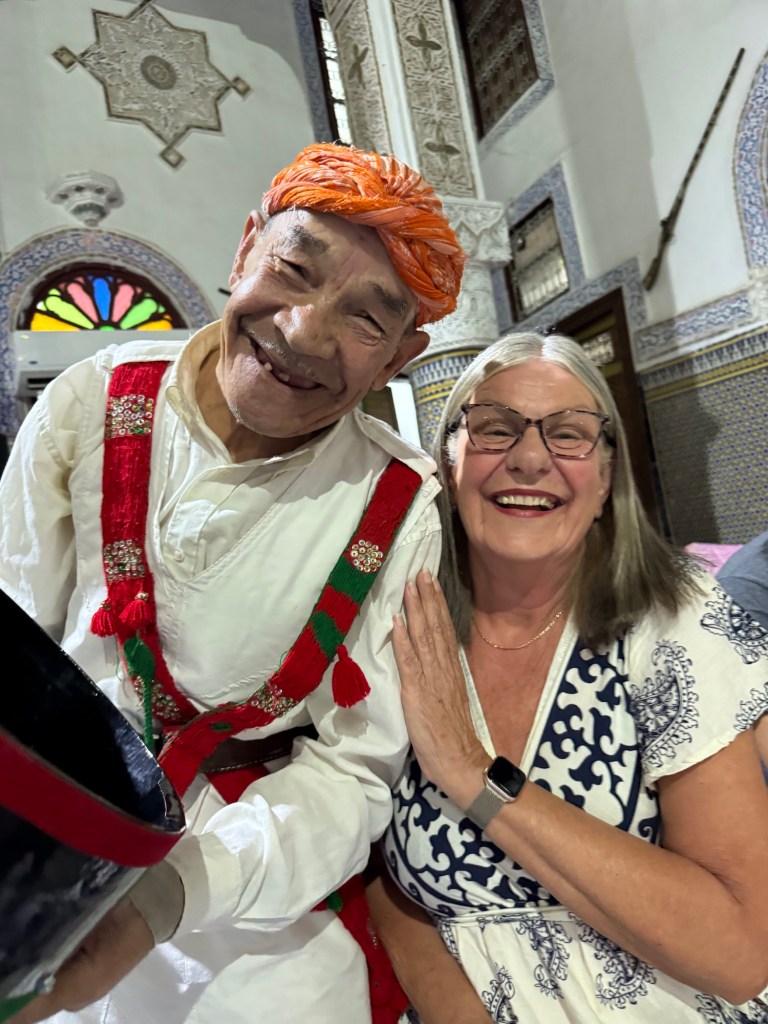
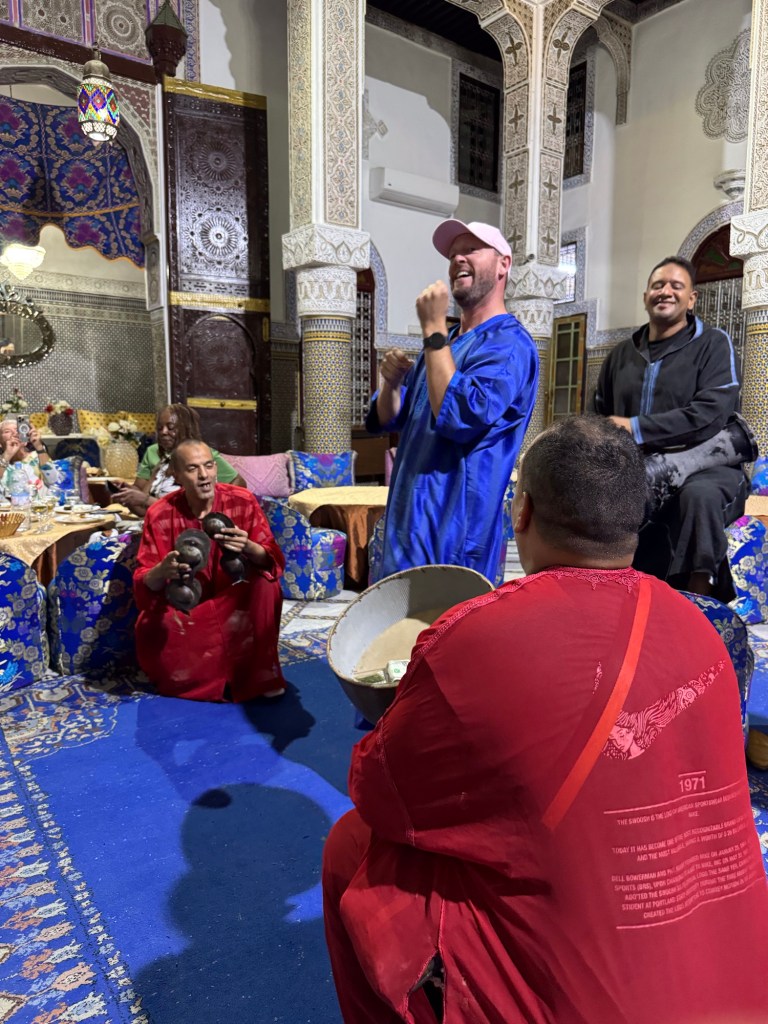
Our dinner for the evening was Arabian nights in a Riad theme. A Riad is a building with no windows but extremely high ceilings and beautifully decorated.
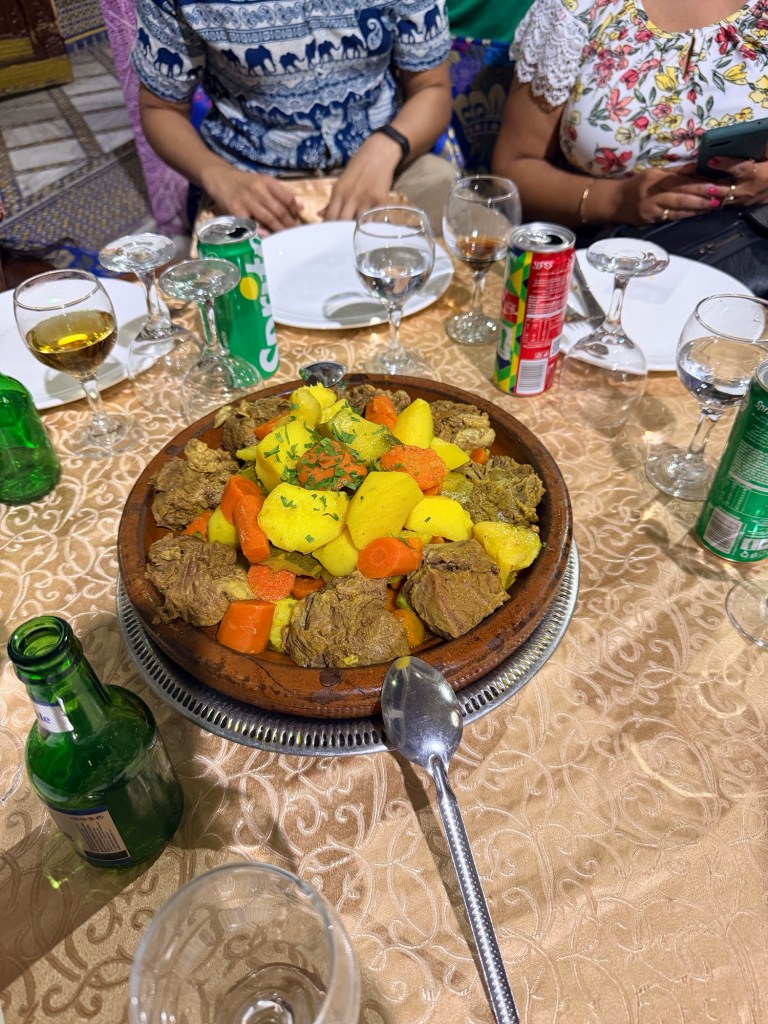
The first course was Khobz bread served with Harira soup which is often the food served to break the fast during Ramadan or Yom Kippur. Then it was salad followed by beef and potato Tagine. Desert was small cakes called Dwaz Atay which literally means “things that go with tea”. Entertainment was supplied and our travelling group, obviously now more comfortable with each other, excelled on the dance floor.
Today we’ve got a long day to get to Marrakesh so we’ve named the bus the Marrakesh Express. Our first stop was Rabat, the current capital. Although there was an old town, the part we saw was modern and clean. Perhaps a few more dollars spent here because it’s the capital. A modern opera house and a football stadium to house 120,000 fans which from the outside looks like a woven birdsnest.
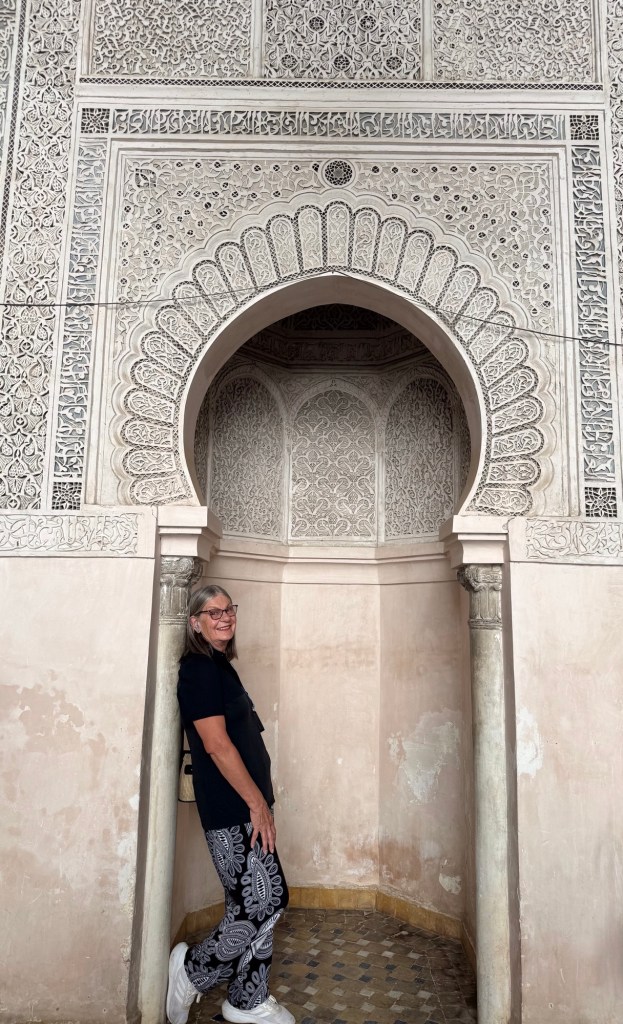
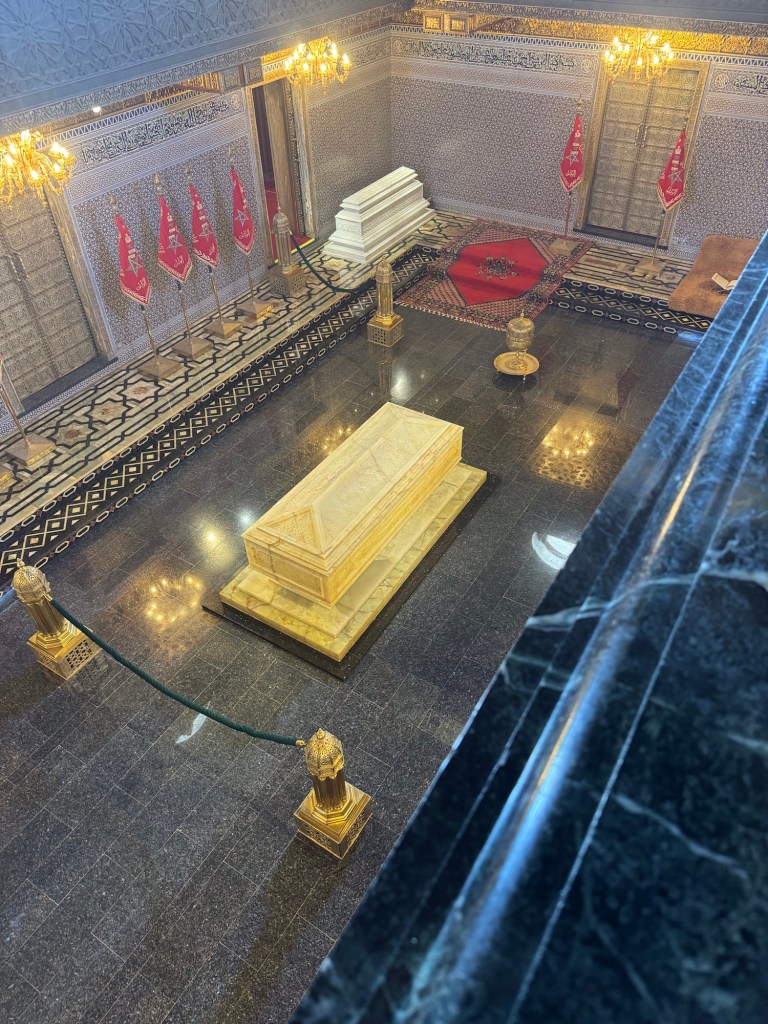
We visited the Kings Mausoleum. It stands on the large esplanade beside the famous Hassan Tower. It has an open area which can hold 100,000 people for special Islamic events. The Mausoleum itself is the final resting place of two kings and one prince. It is described as a masterpiece of traditional Moroccan craftsmanship.
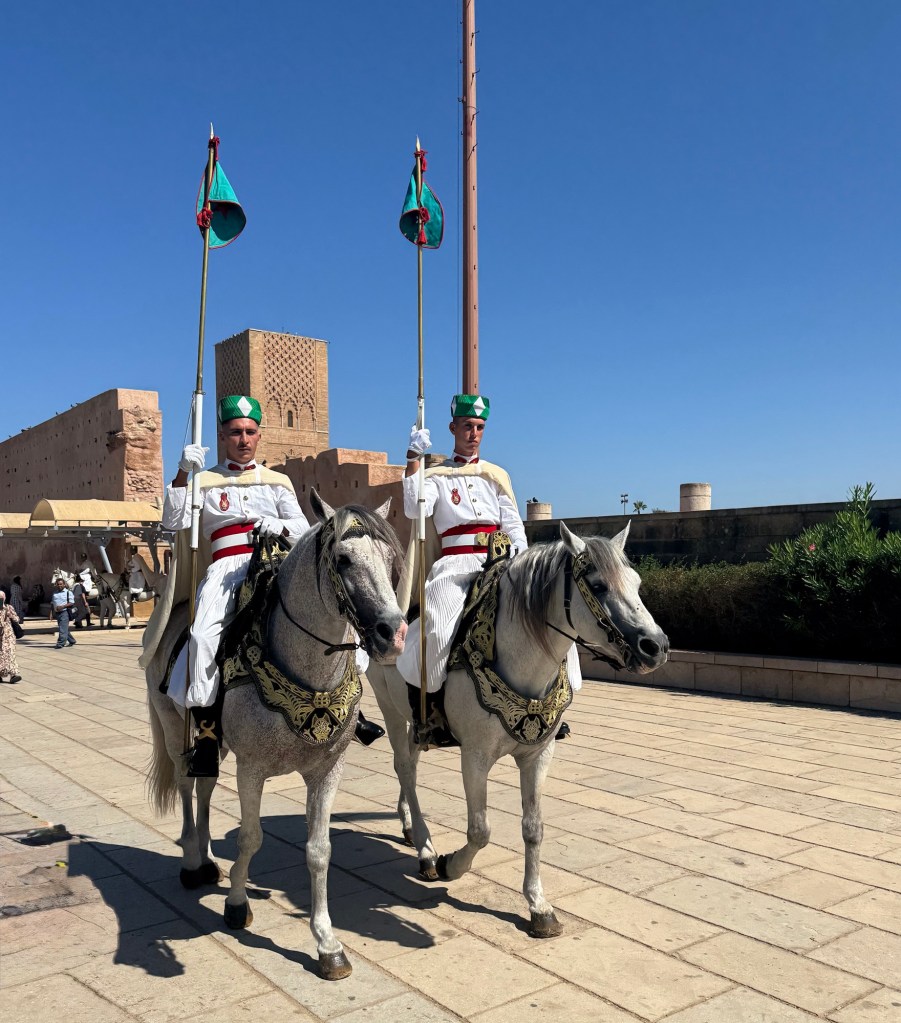
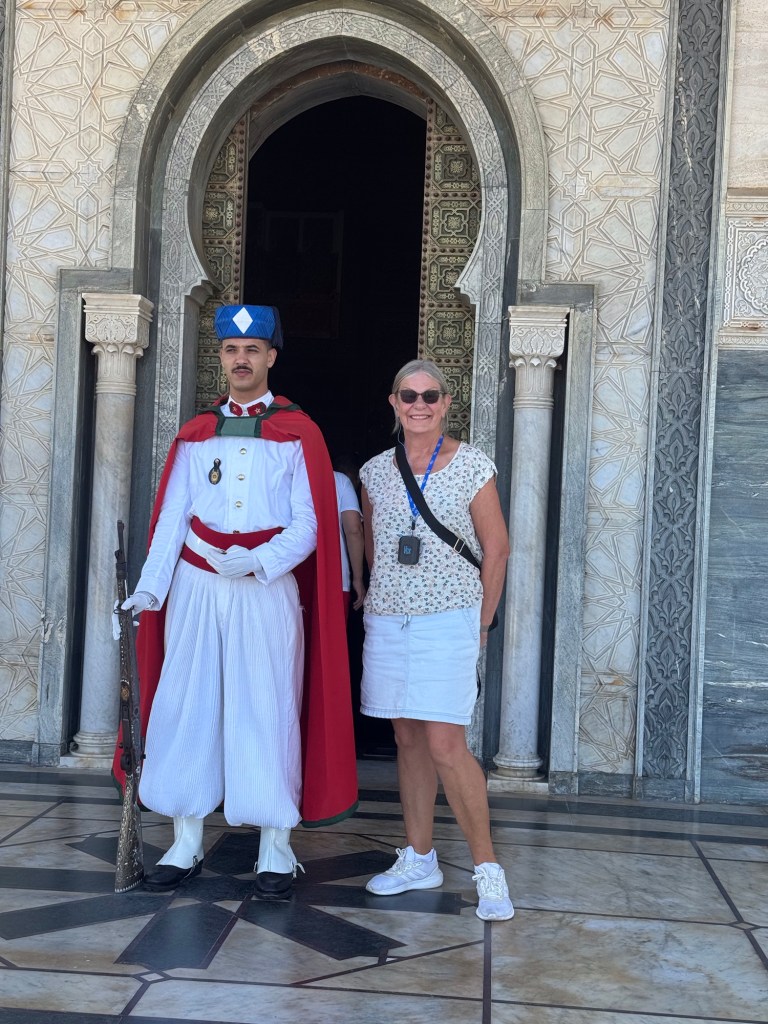
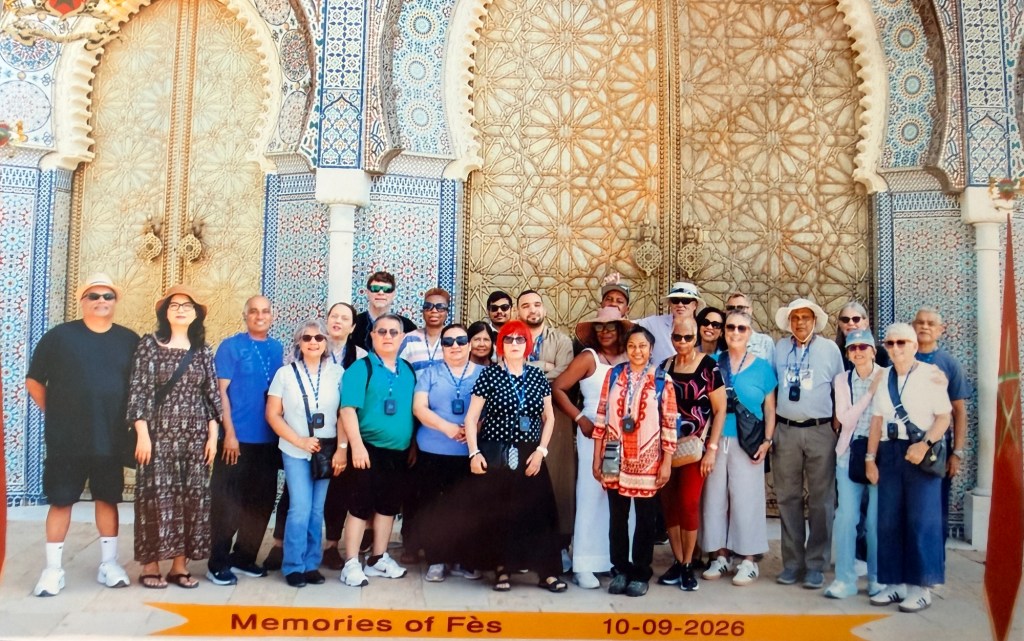
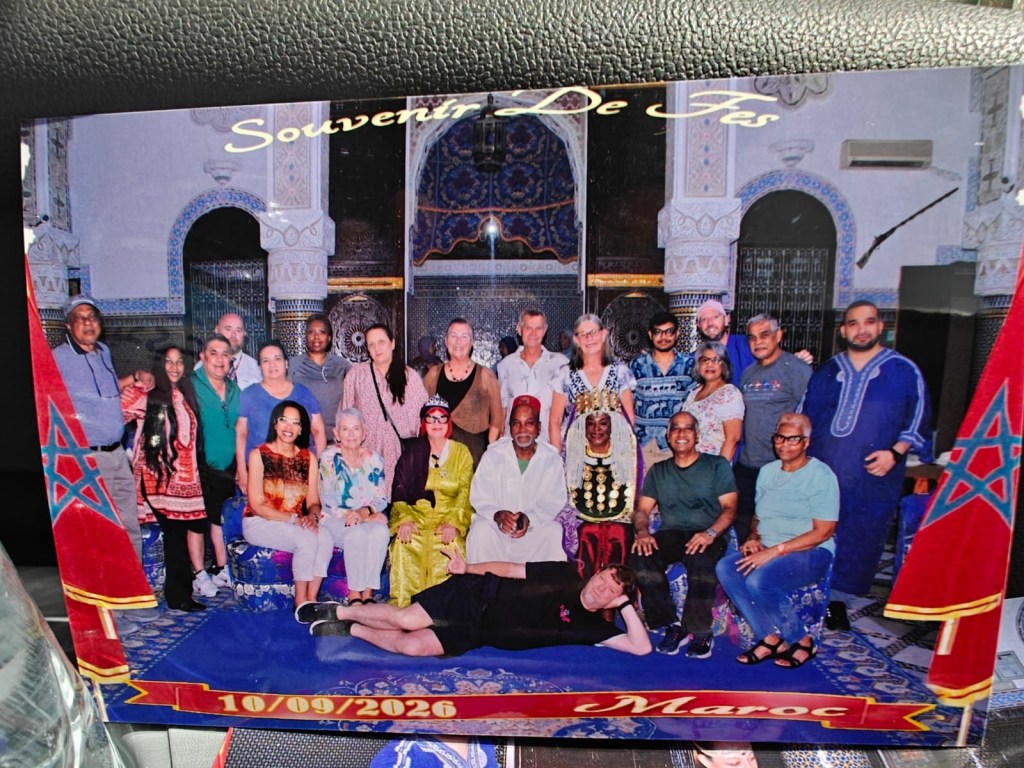
I must mention that during all our tour stops we had the “papparazzi” following us with cameras. At first it was a bit disconcerting but TIA! We got used to it and were offered the printed photos to buy at our next stop. Quite remarkable and ended up being a bit of fun.
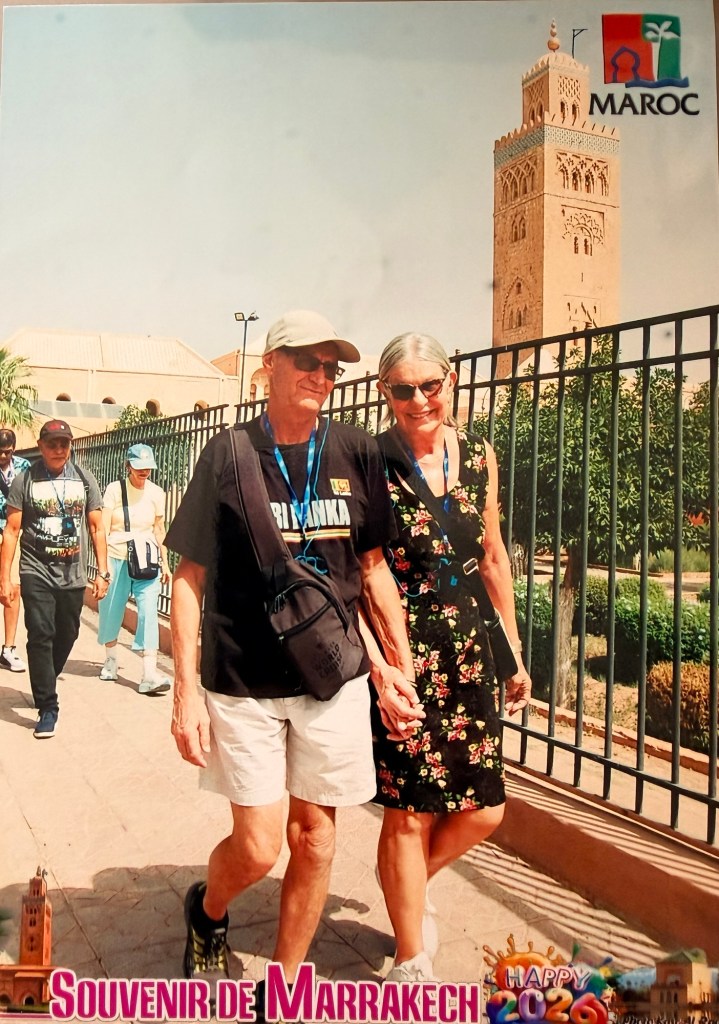
Finally, we arrived in Marrakesh. As we entered the city it became obvious why it is called The Red City. Many of its buildings are a distinctive red-pinkish colour. They are made from iron rich clay and earth high in iron oxide. In fact local laws require new buildings to maintain the traditional red ochre colour. The entrance to the city is lined with date palms with only the female palms producing dates. Our hotel was in the modern part so it was hard to believe this city has a history going back almost 1,000 years. Three of the most popular nightclubs in the world are in Marrakesh but we were too buggered to hit the dance floor.
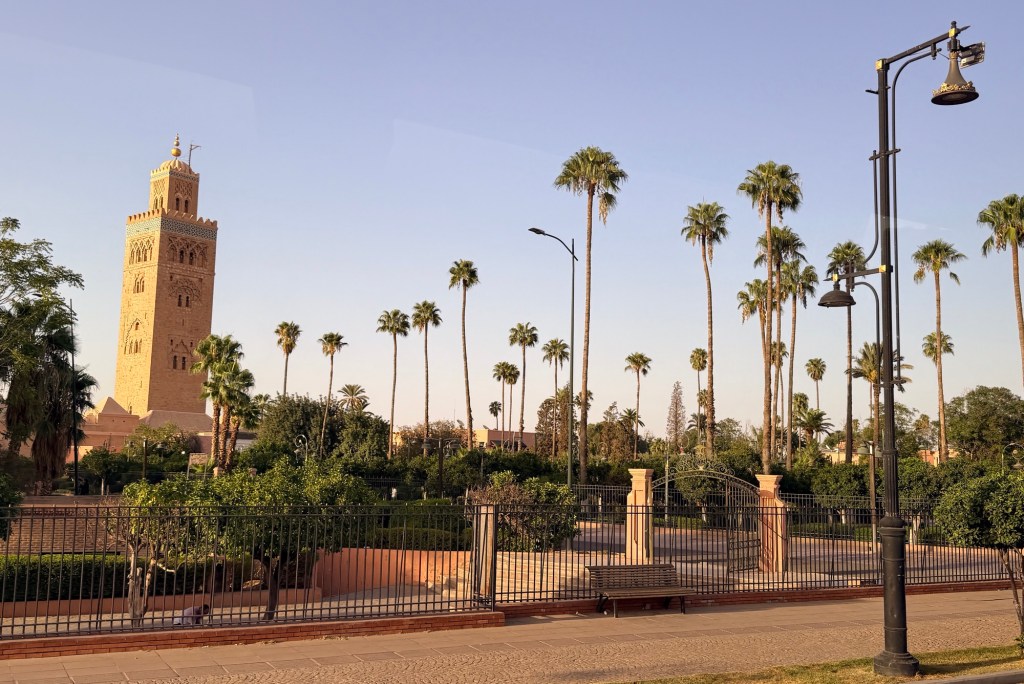
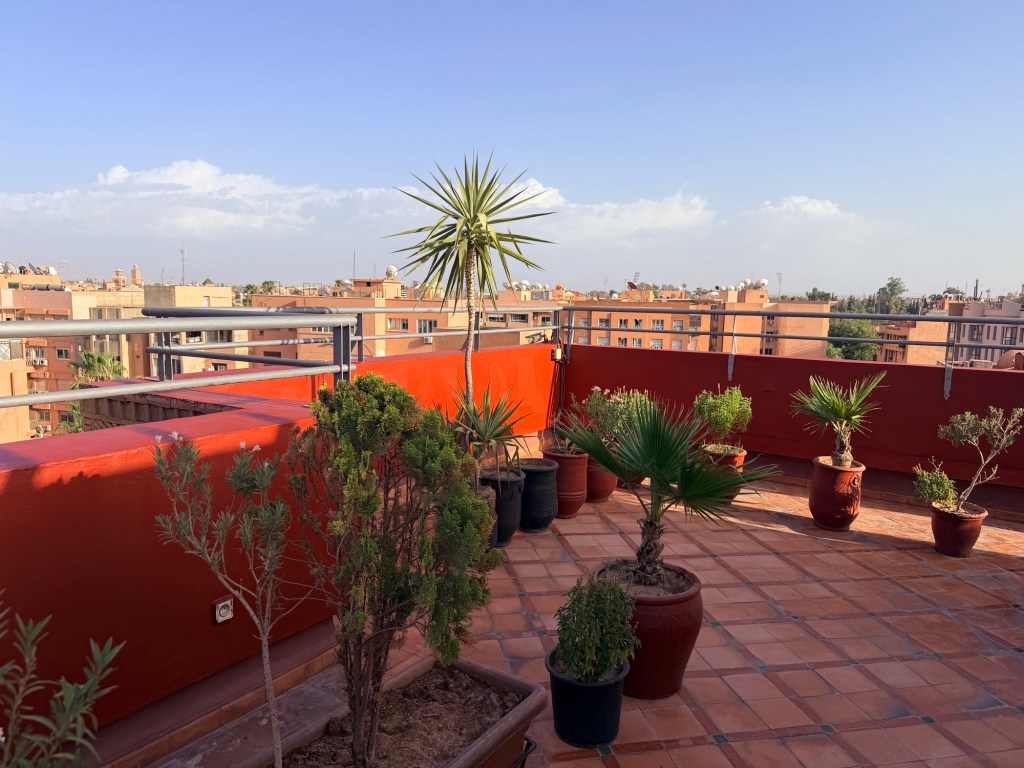
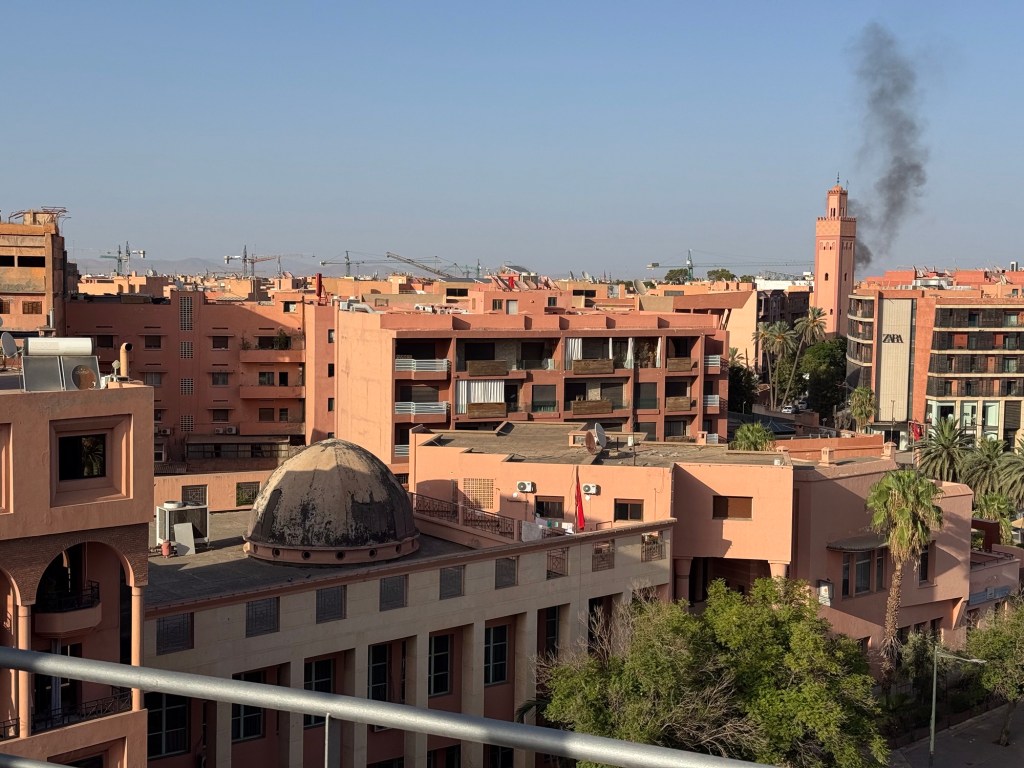
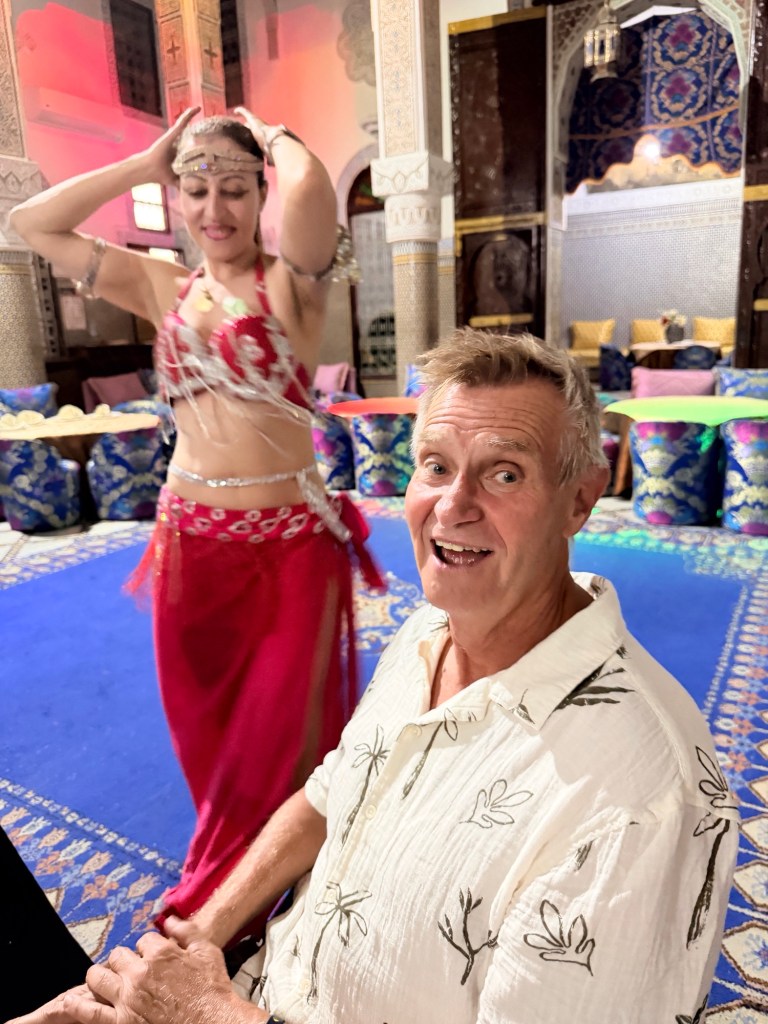
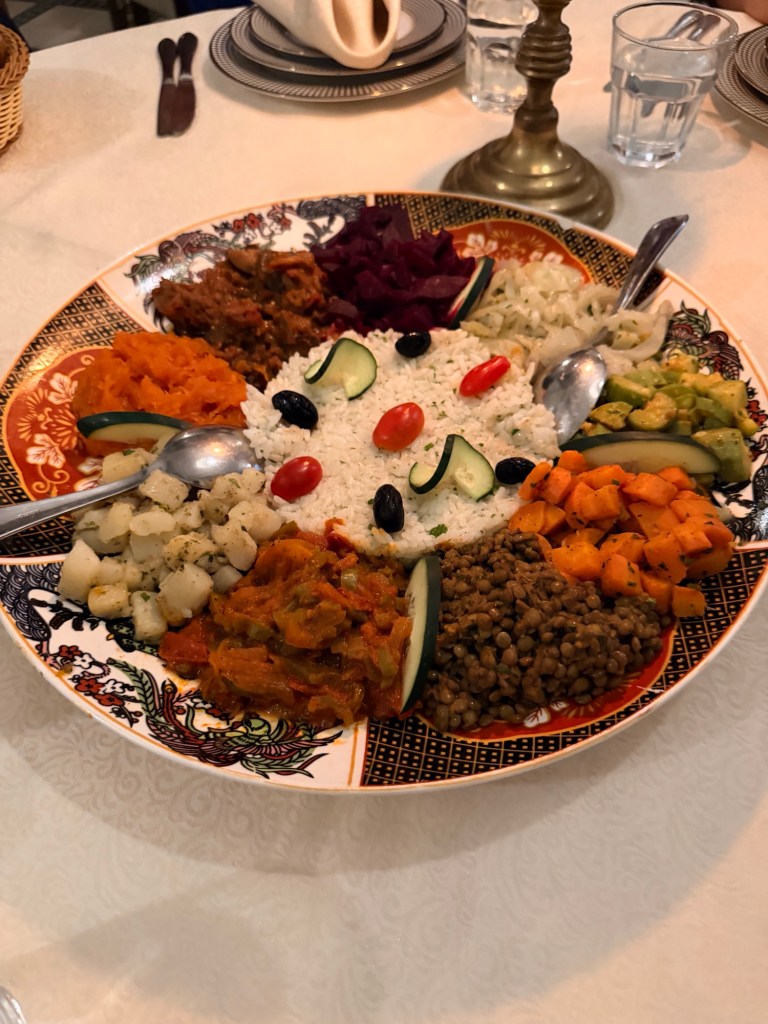
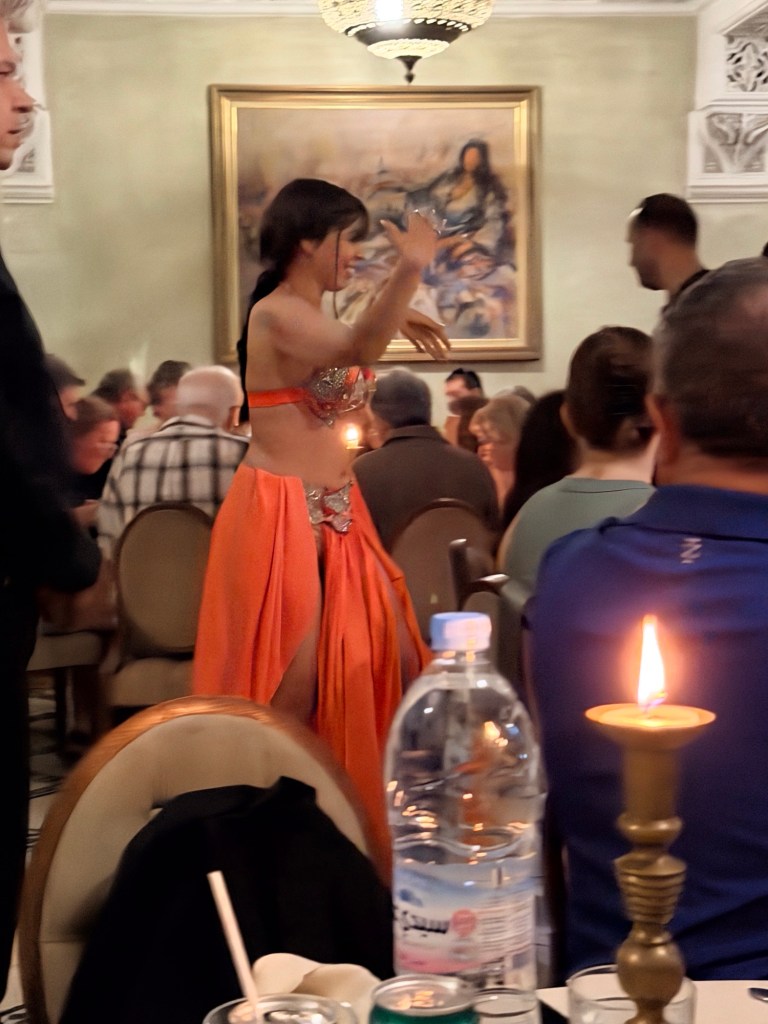
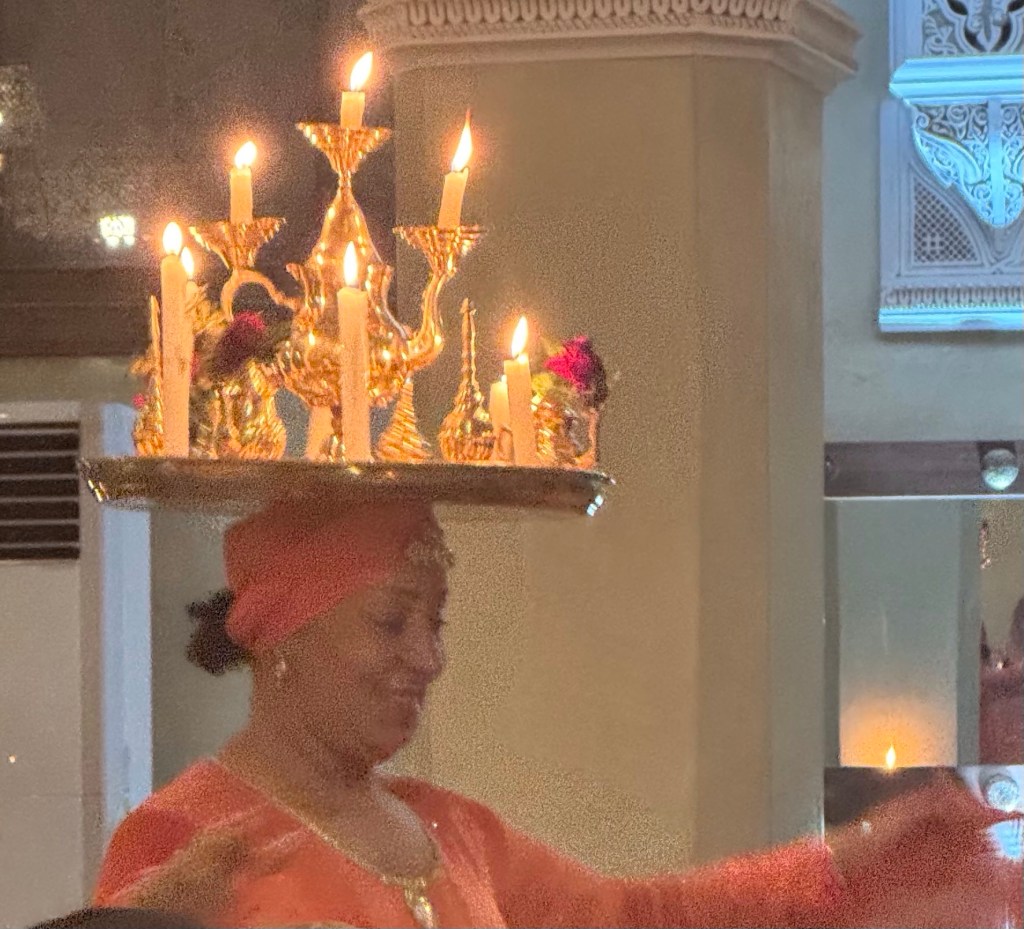
The historic heart of Marrakesh is its Medina, a maze of narrow streets, markets, workshops, riads and historic buildings. Our travelling group had dinner at a restaurant within the Medina. It must be a thing in Morocco as similar to last night’s dinner, we had accompanying music, entertainers and a belly dancer.
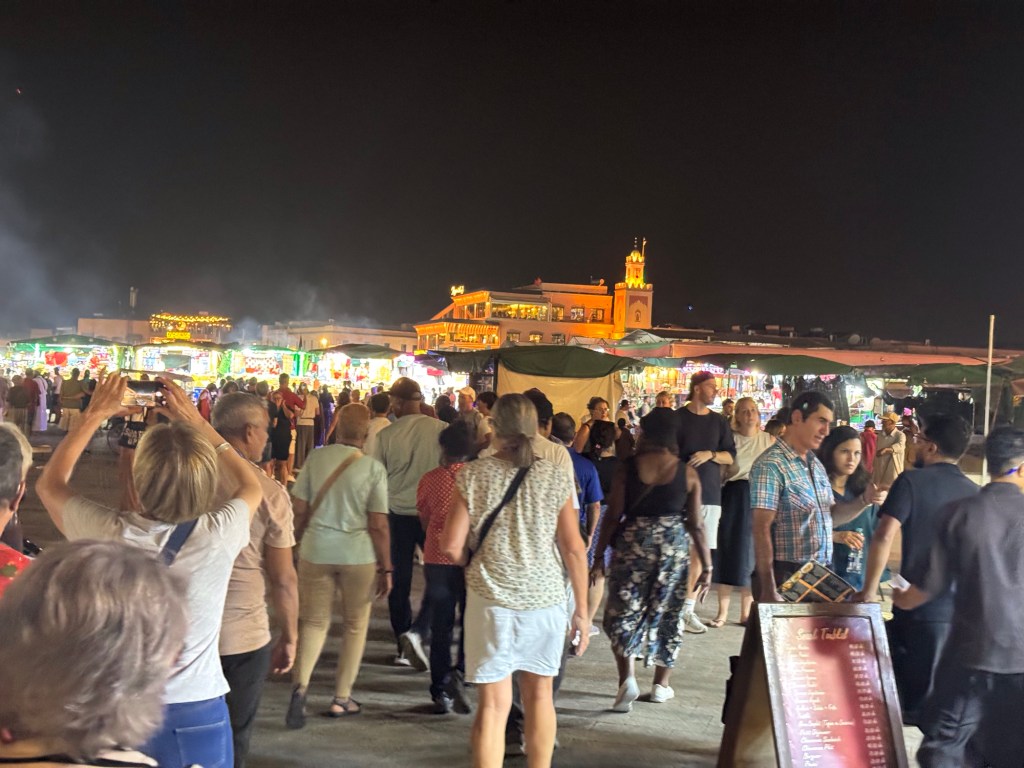
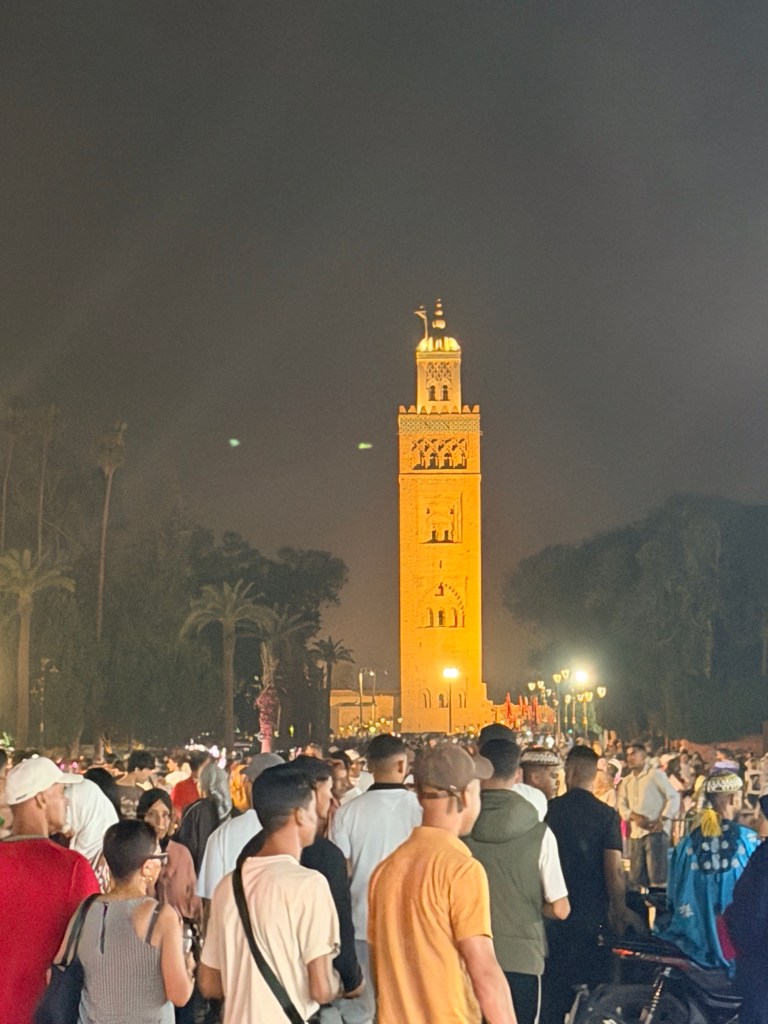
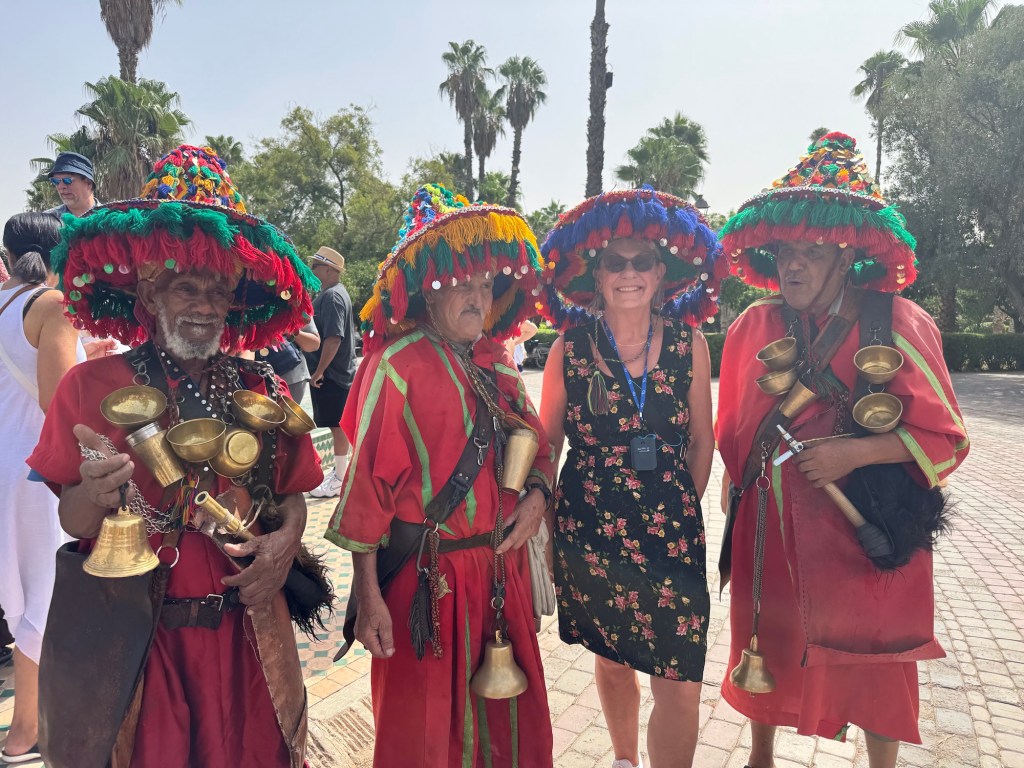
If we thought the marketplace was busy, it was nothing compared to the enormous main square. The evenings are particularly lively, with food stalls, musicians, storytellers, snake charmers, performers and crowds filling the square.
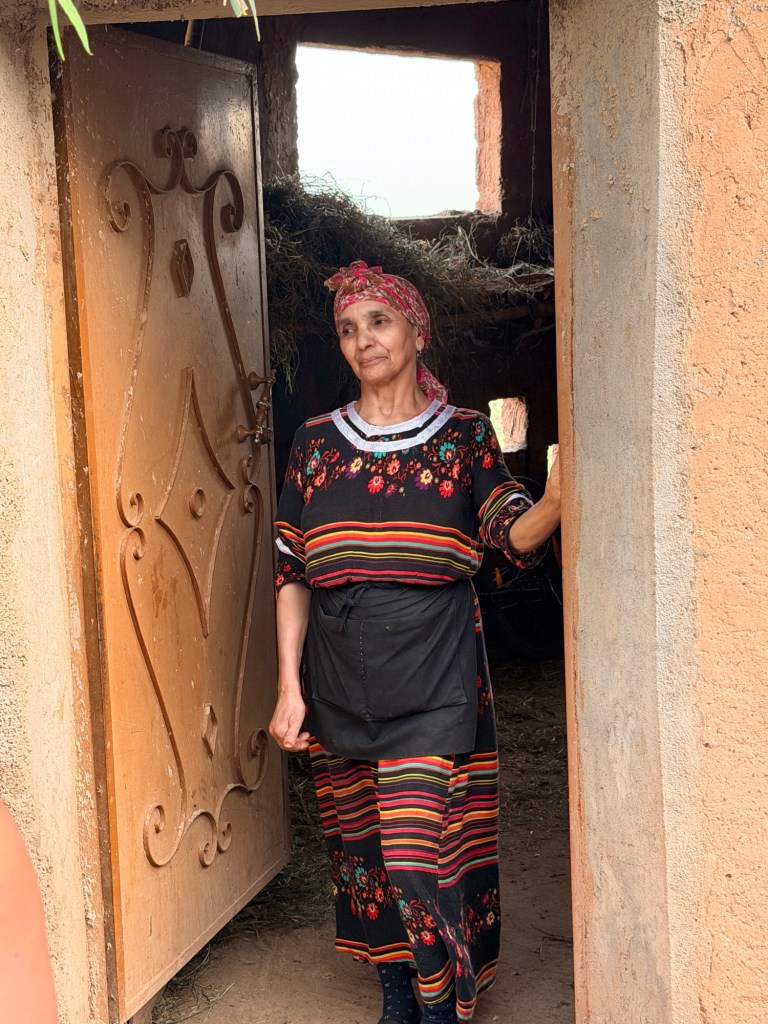
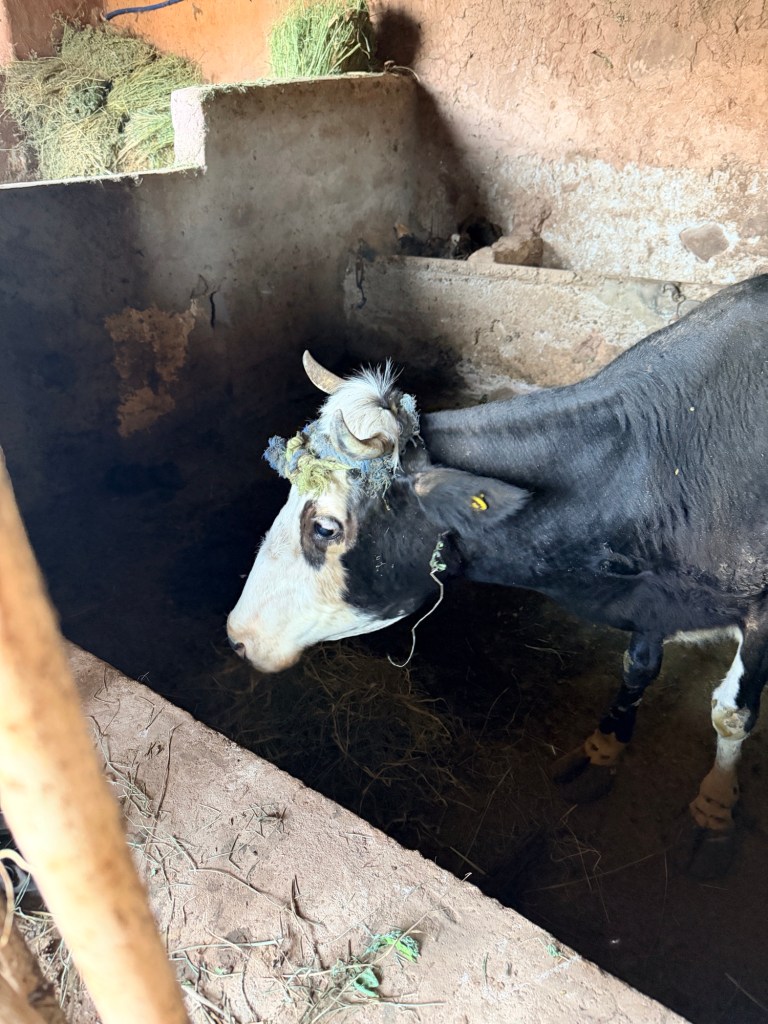
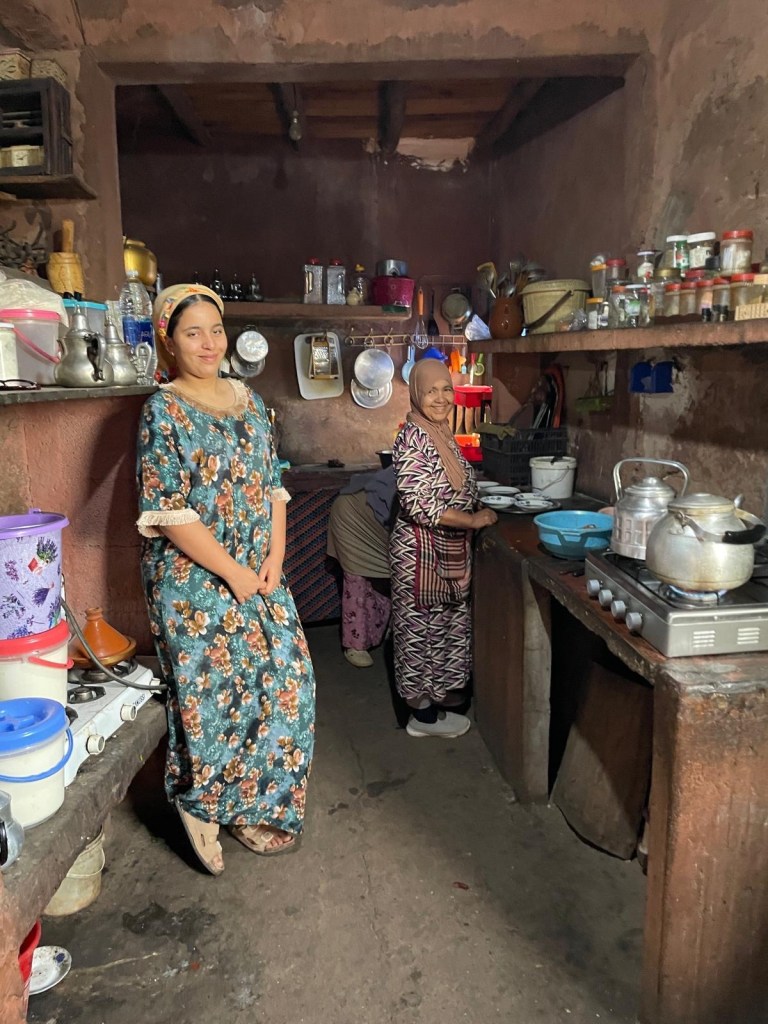
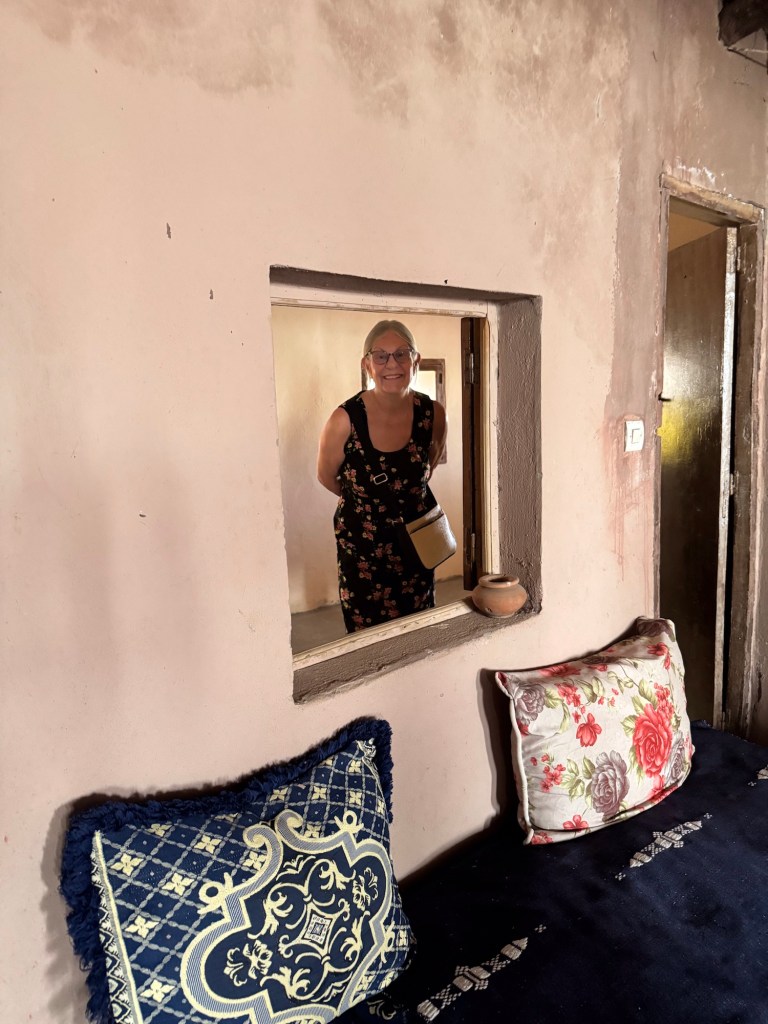
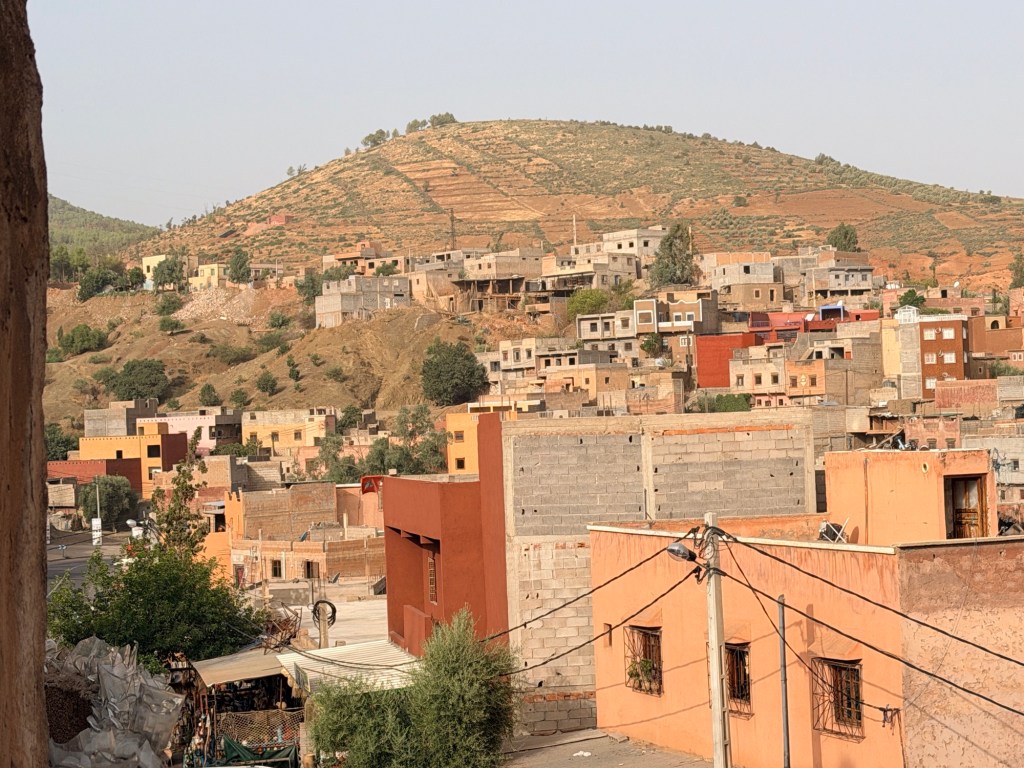
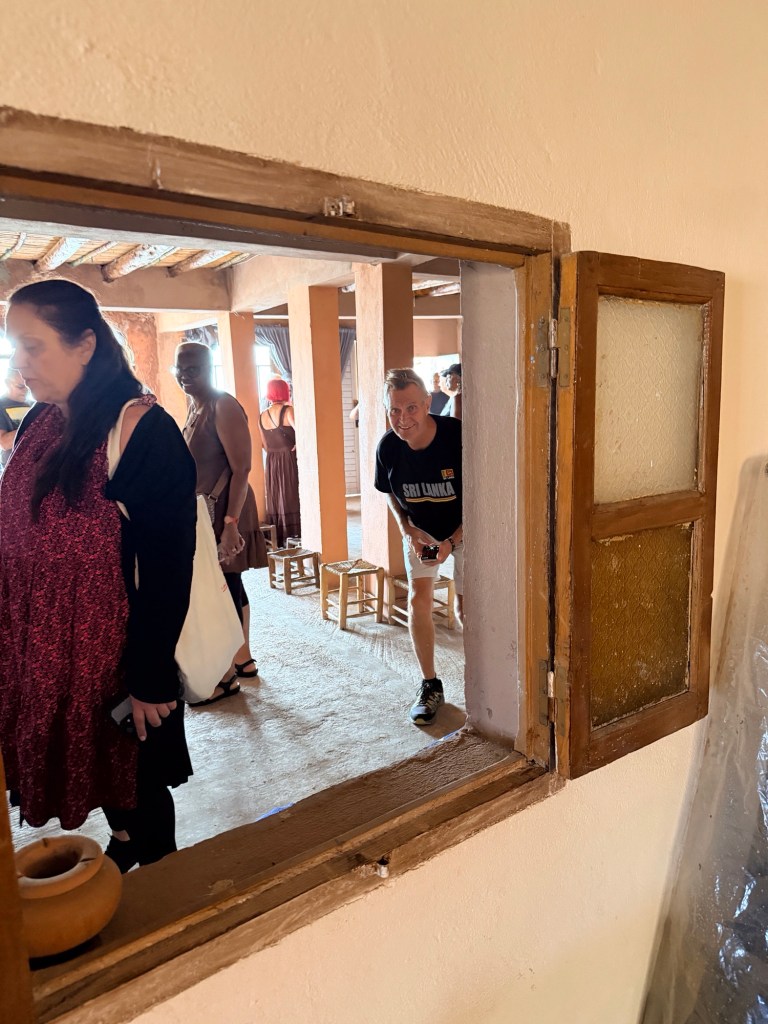
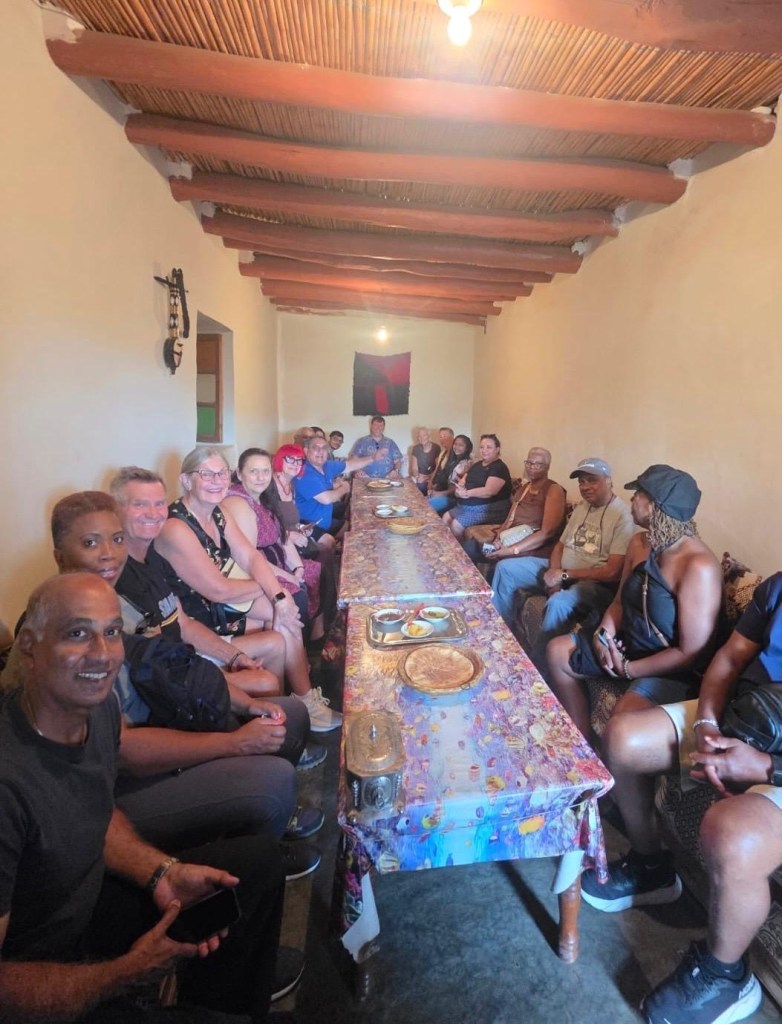
Today, we escaped the city’s hustle and took a scenic drive to the Ourika Valley in the Atlas Mountains. This is the home of the Berber people. We visited a village to enjoy the hospitality of a local family. Their home is divided into 3 parts. One part for grain storage, one part for the animals (they had a cow stabled) and one part for living. It’s a simple life. We shared a traditional tea. Our mint tea was accompanied by home made bread with butter from the cow! Bill and Hilary Clinton had done exactly the same visit at a neighbouring house a couple of years ago.
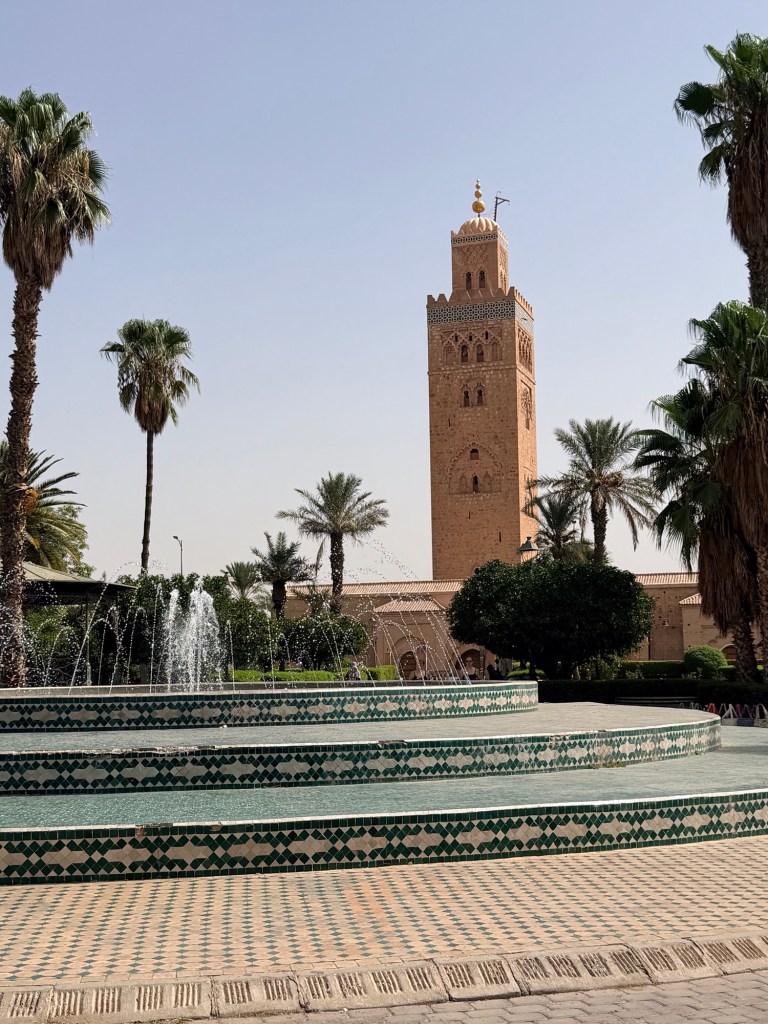
Another mosque visit and then the afternoon was ours. We kept it simple. Souvenir shopping, pool (it was 41 degrees!) and dinner at a nearby restaurant with some of the group.
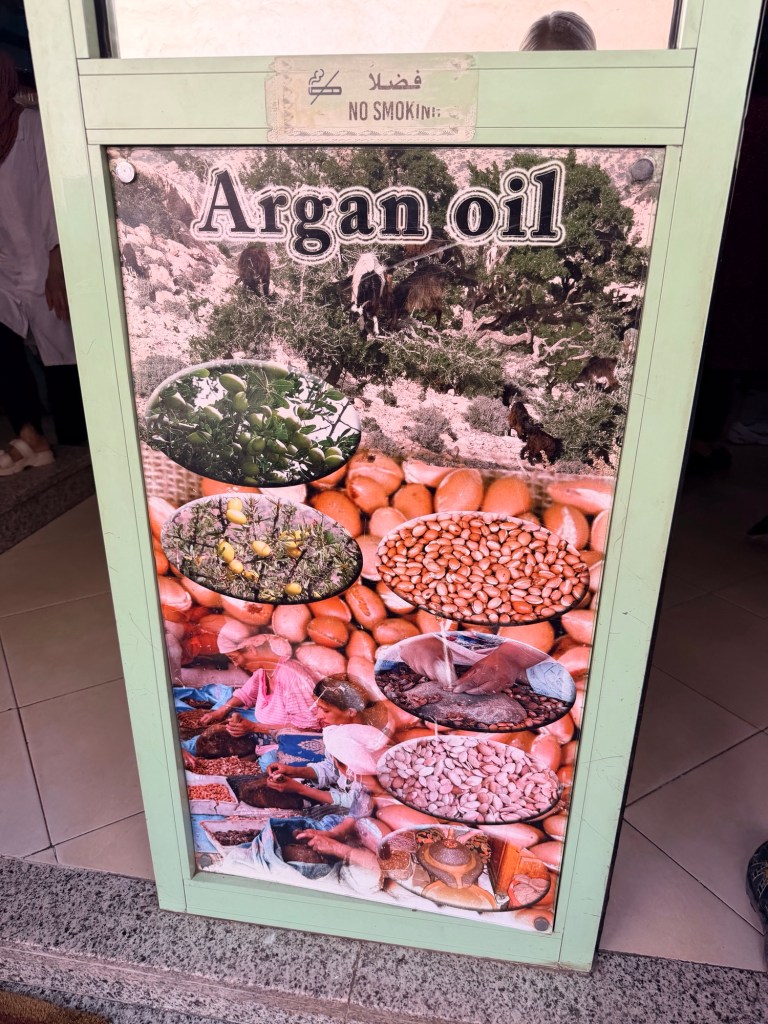
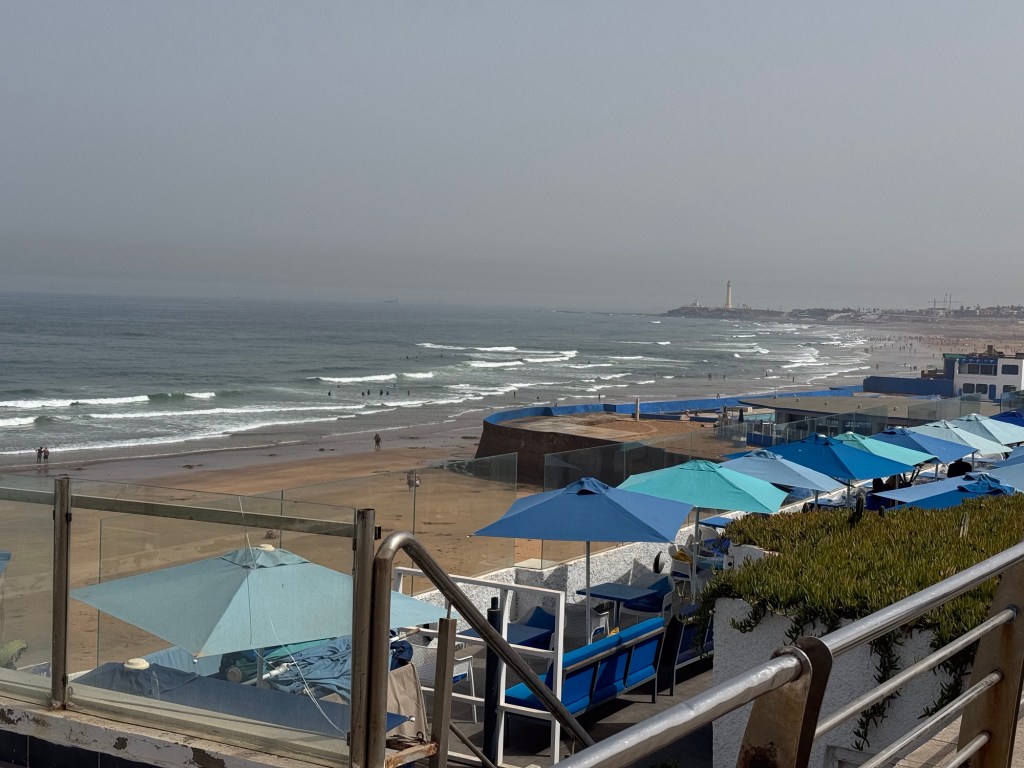
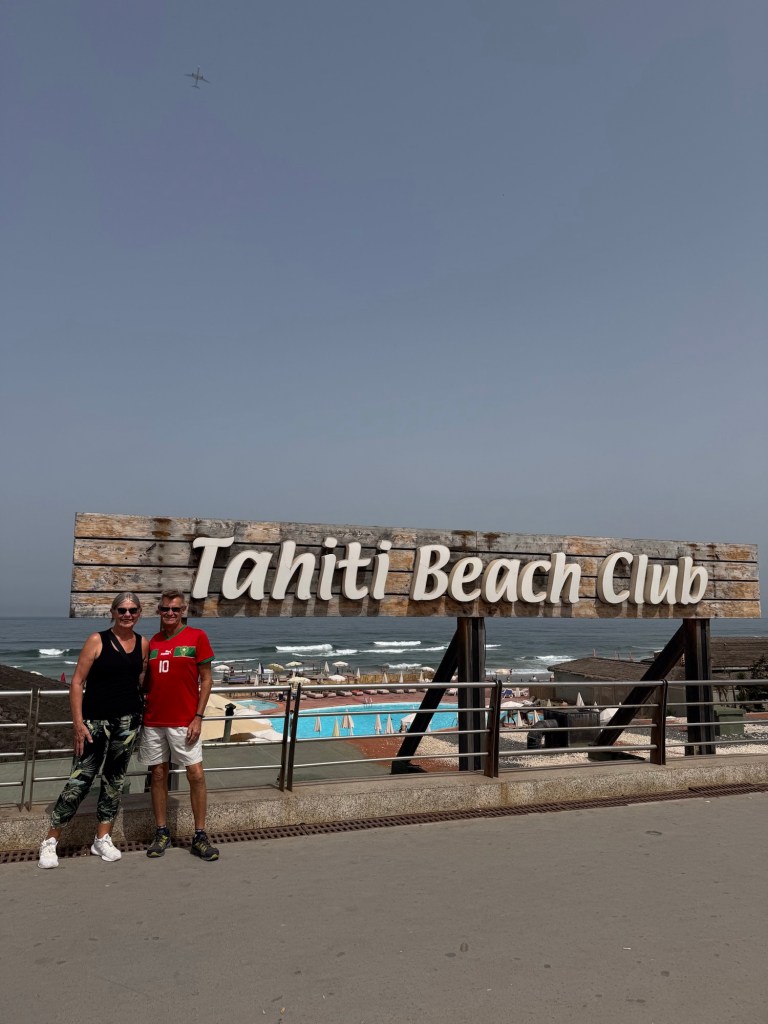
“Play it again Sam!” We’re on our way to Casablanca. A city with a population of 8 million. It’s Morocco’s leader in industry, trade and services. The area we drove into looked very modern with beautiful hotels, business establishments, beach clubs and huge mansions on the way to the Corniche. Overlooking the Atlantic Ocean, it was very pleasant having lunch on the Corniche at the Tahiti Beach Club.
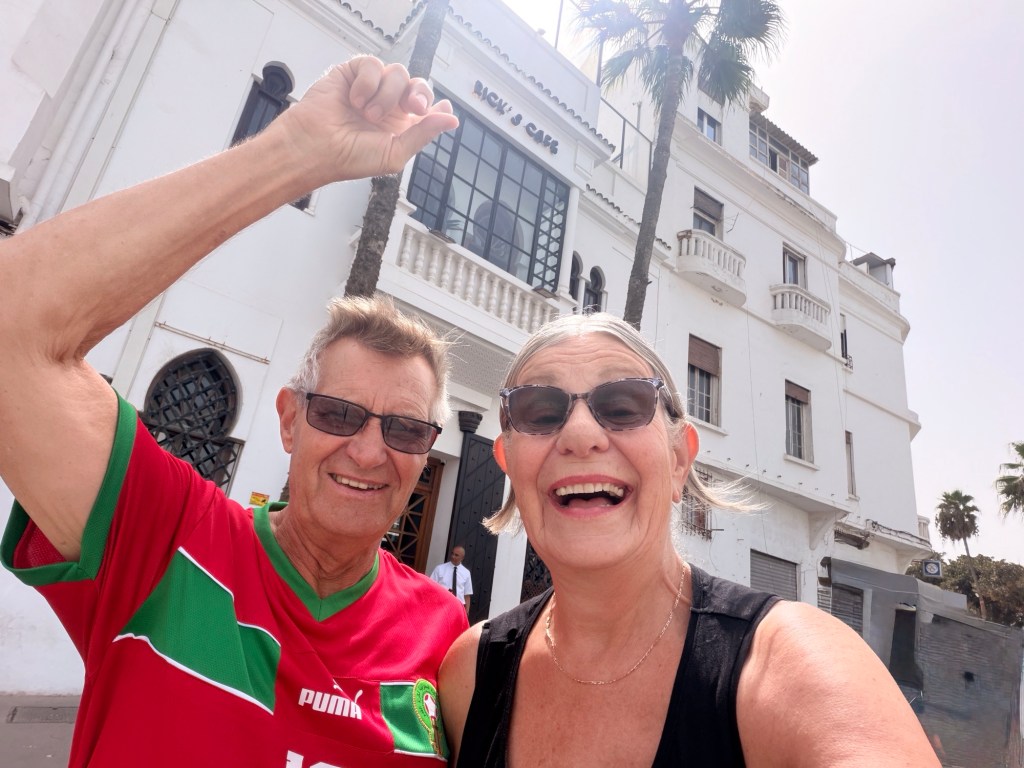
After quick photo opportunities at the Grand Mosque and then at the famous Rick’s Cafe, we were back on the bus on our way to Tangier. “Of all the Gin joints in all the towns in all the world, she walks into mine.”
As we got closer to Tangier, security stepped up. In fact our bus had a police escort to our hotel. Tomorrow we catch the ferry back to Spain so we will also have an escort to the port. Apparently the problem seems to lie with young men and teenagers wanting to stow away. They have been found to be hiding in the wheel hubs of buses thinking that money trees exist outside of this country.
Morocco with its mountains, beach and desert has become highly tourist dependent. It has many golf courses. It has a unique and vibrant culture and feels safe.
On the downside there are very substantial differences between wealthy areas and poorer communities. It can be also have extreme temperatures making it difficult to do any exploring or adventuring.
T.I.A. This is Africa.

