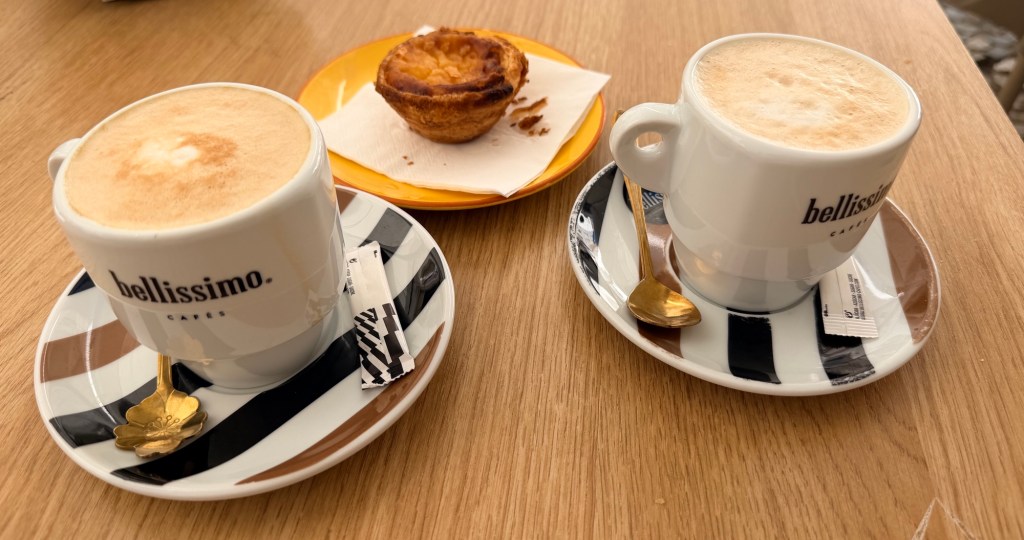
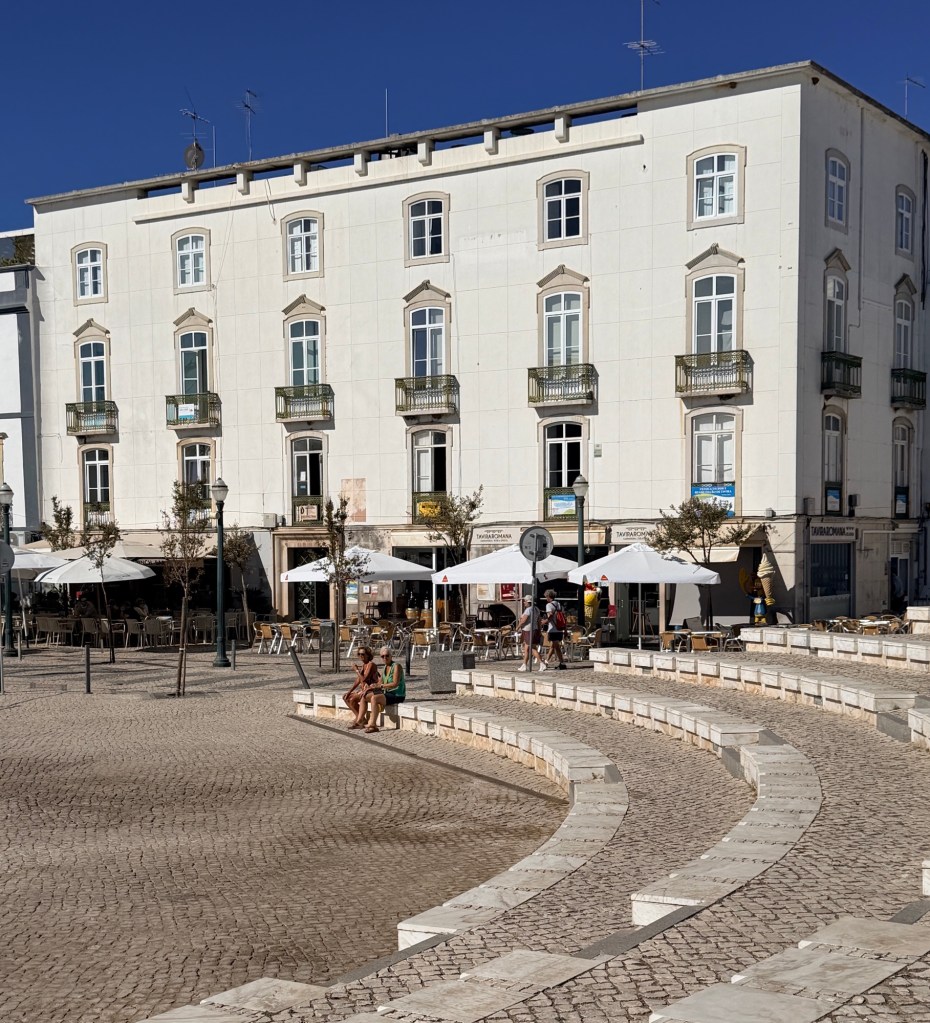
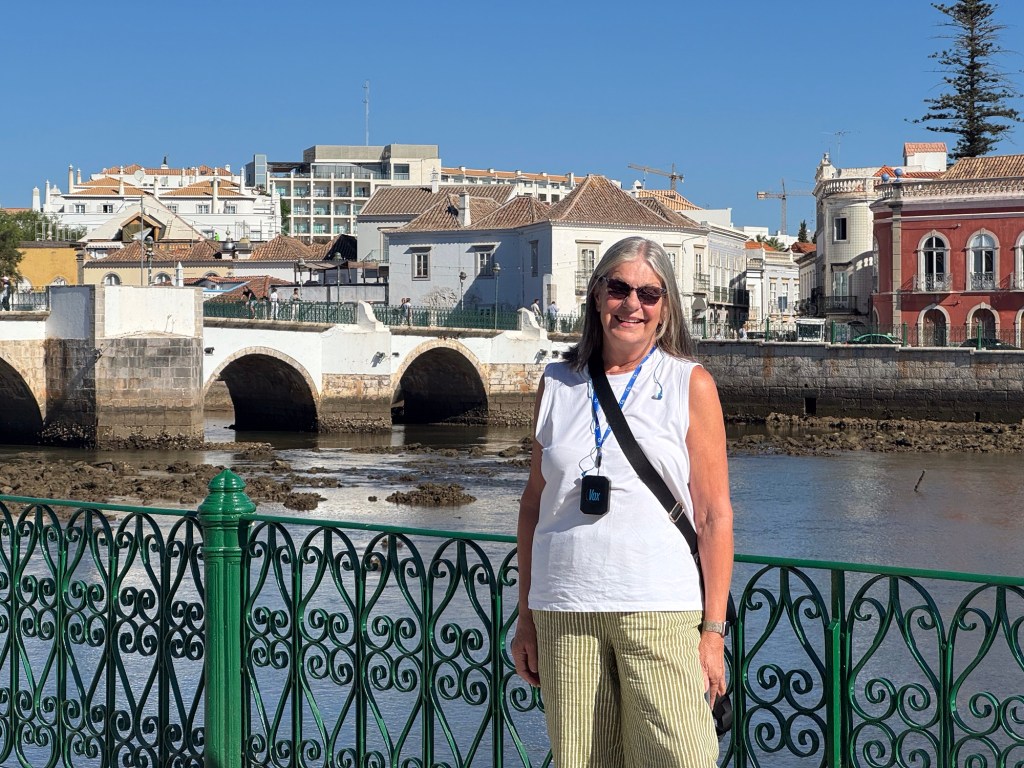
Leaving Spain our tour is now headed to Portugal, a country 1/5th the size of Spain. Our first stop is in a quaint little town named Tavira, on the river Gilao. It is here Ruthie and I shared the first of hopefully many more Pastel de Nata (Portuguese tarts).
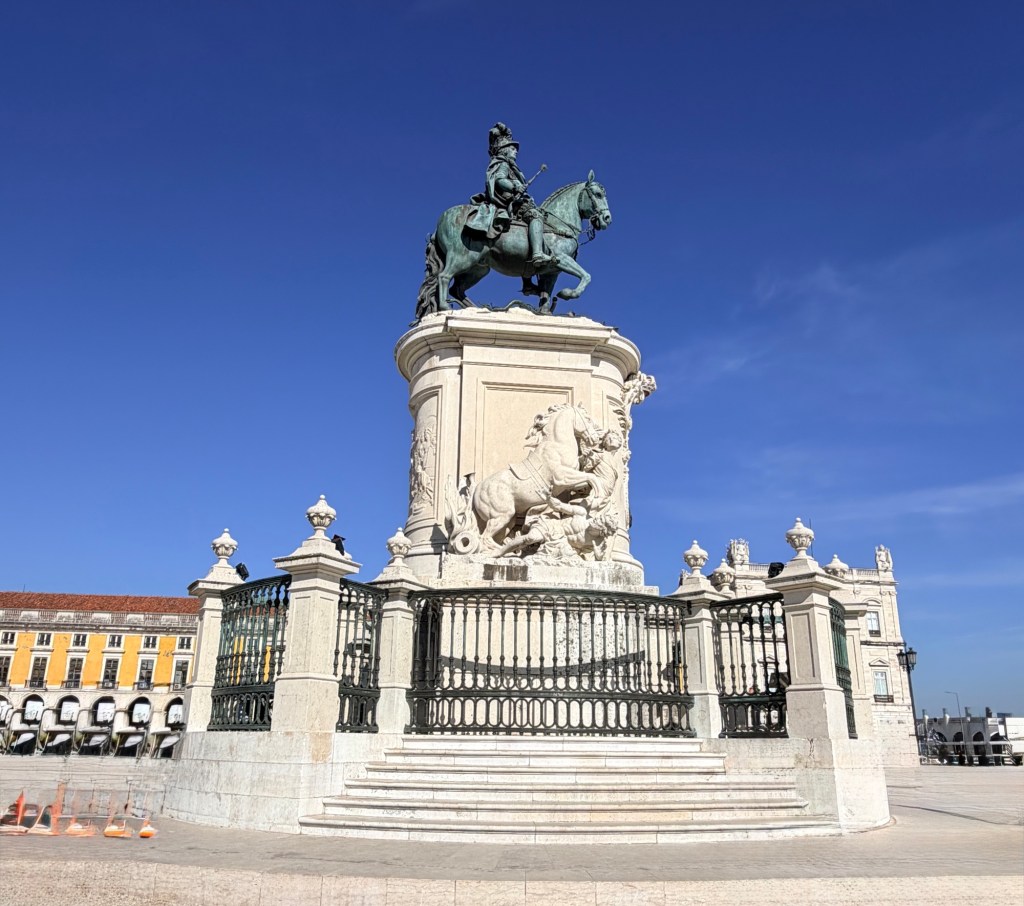
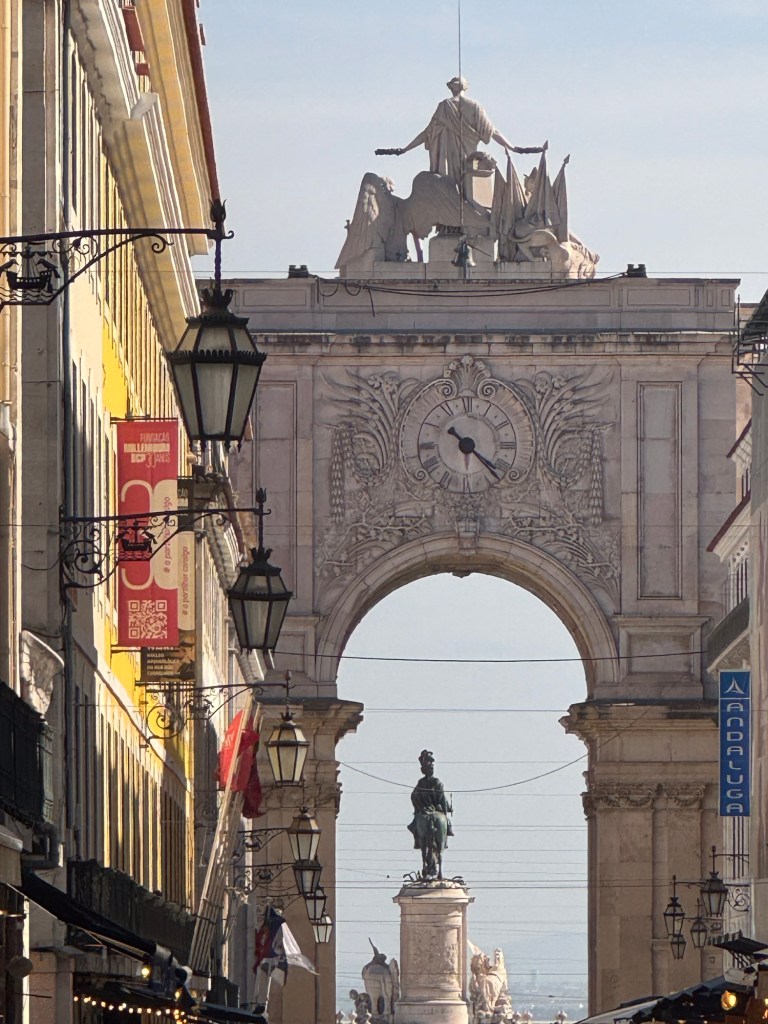
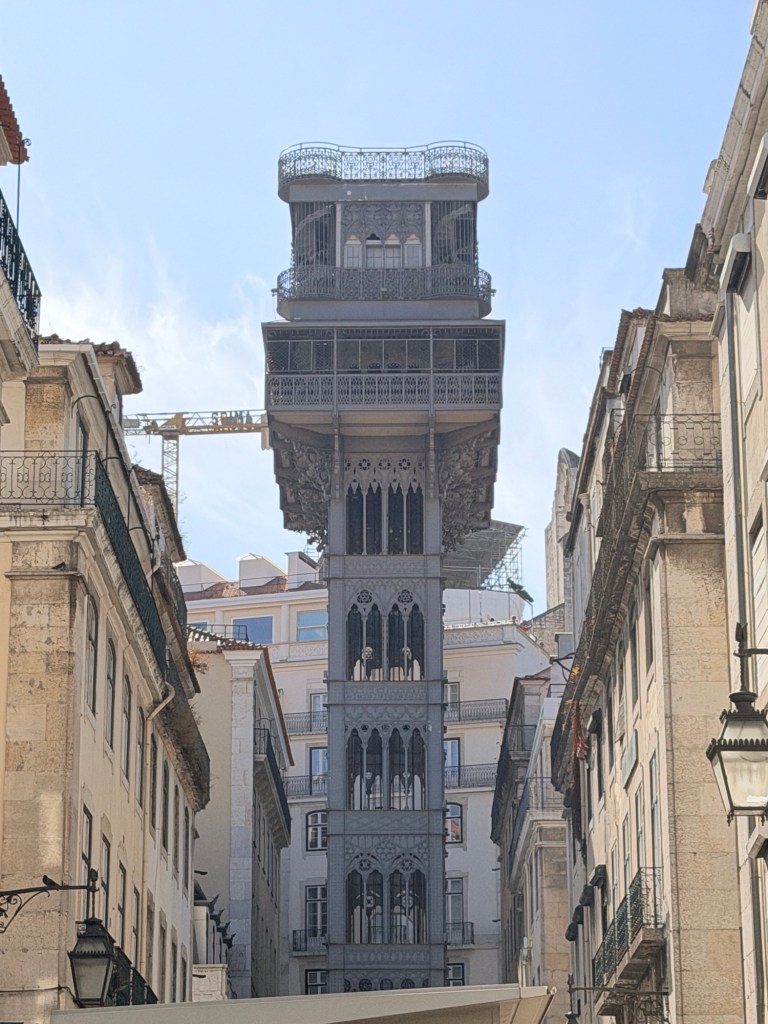
Our destination is Lisbon. Much of this city was destroyed in 1755 by an earthquake followed by a tsunami and has since been rebuilt. Our city tour showed us some of the damaged buildings and the Carmo Church still doesn’t have a roof even after all these years.
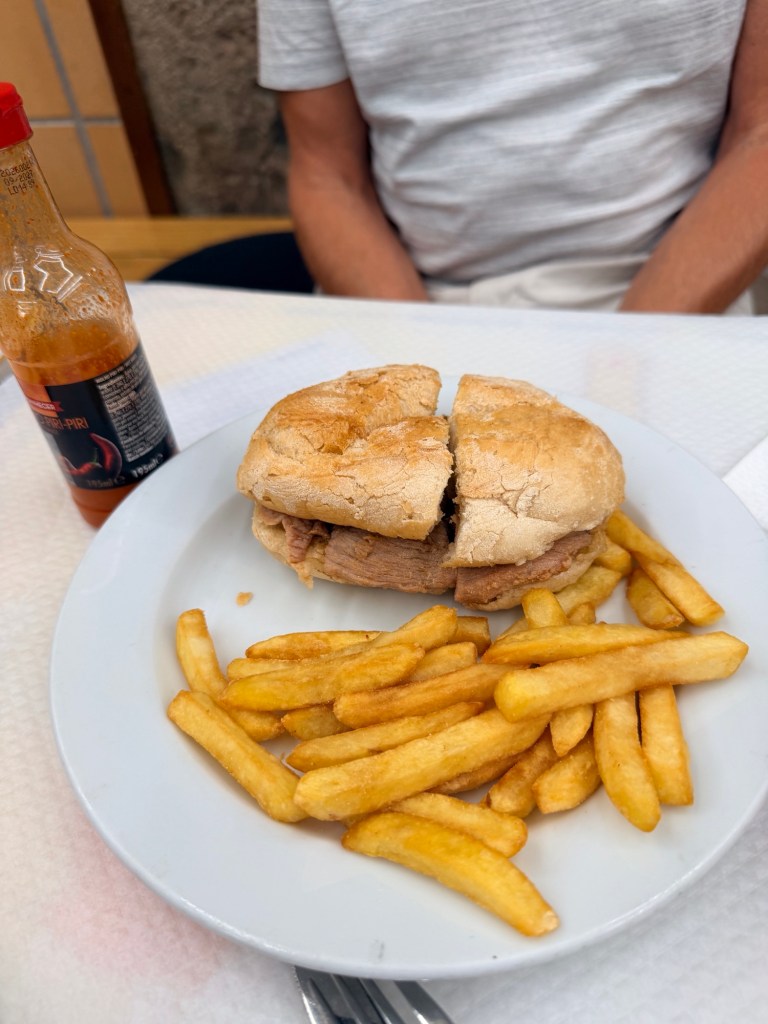
The walking tour on the cobblestone streets in the mid city certainly provided a great massage for the feet. I like to call it, aligning my shakras. Before our walking tour we tried the recommended “Bifanas” which is a quick takeaway local food of choice. Slow cooked pork in a soft roll. Whilst we enjoyed it, we feel a little gravy would have improved it. The narrower streets are lined with cafes, bars, hotels and shops of interest to the tourist.
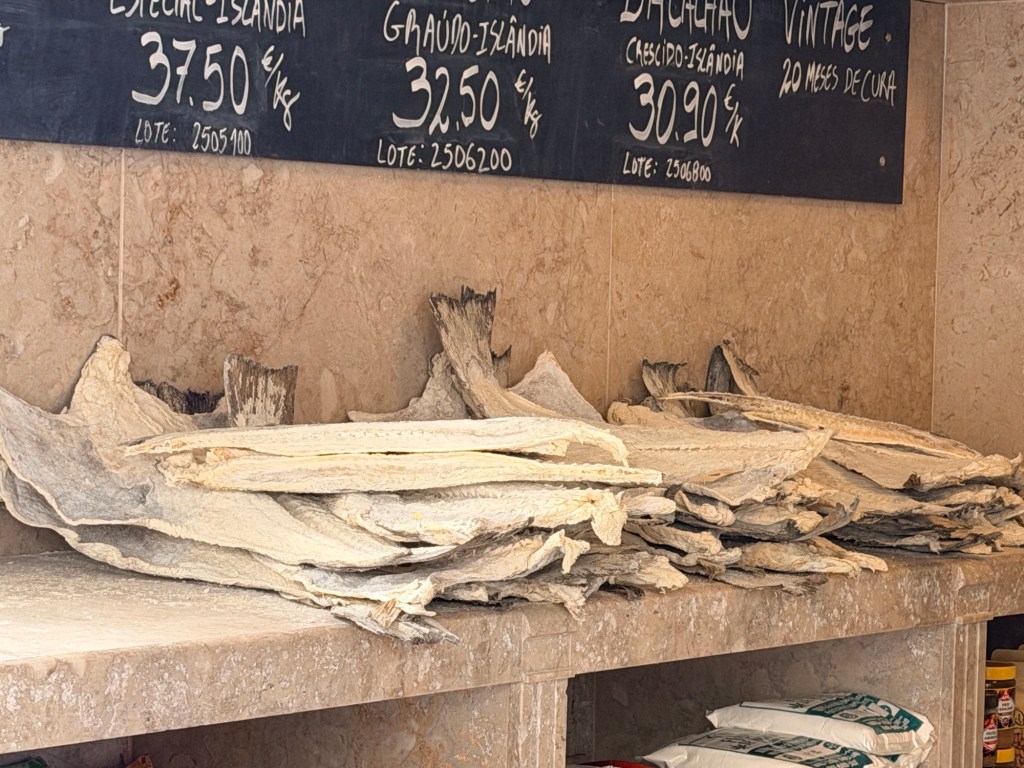
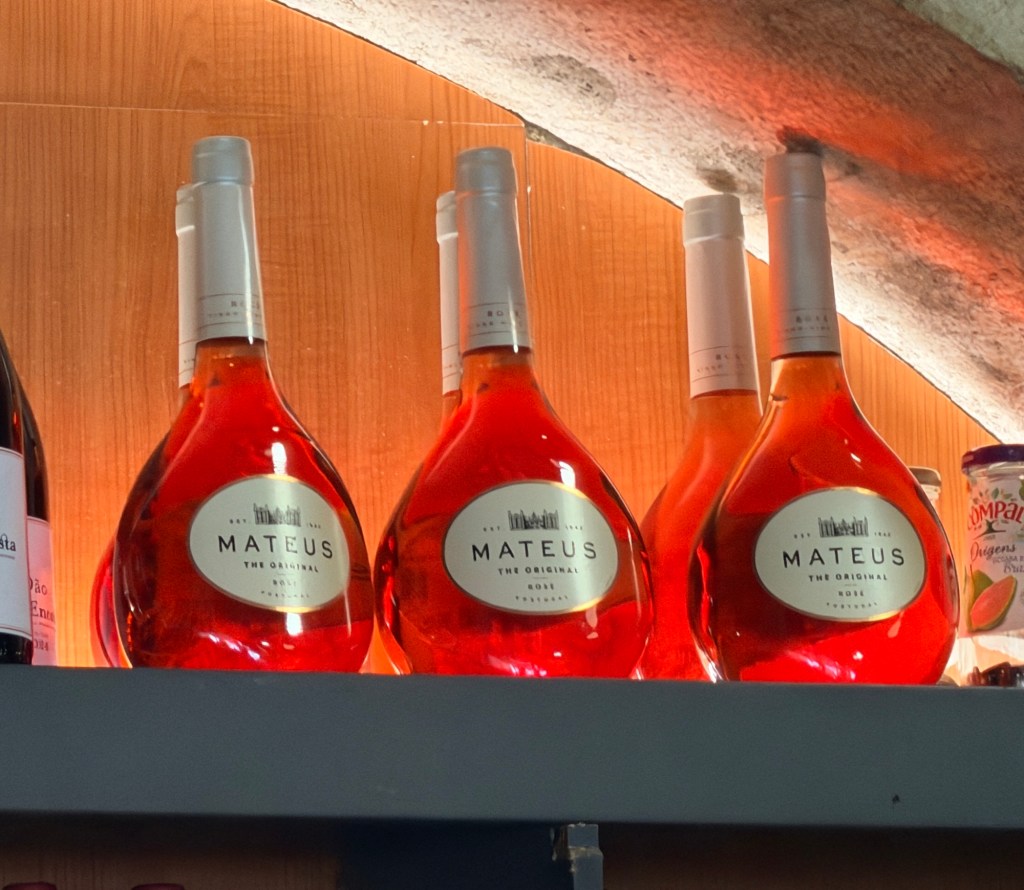
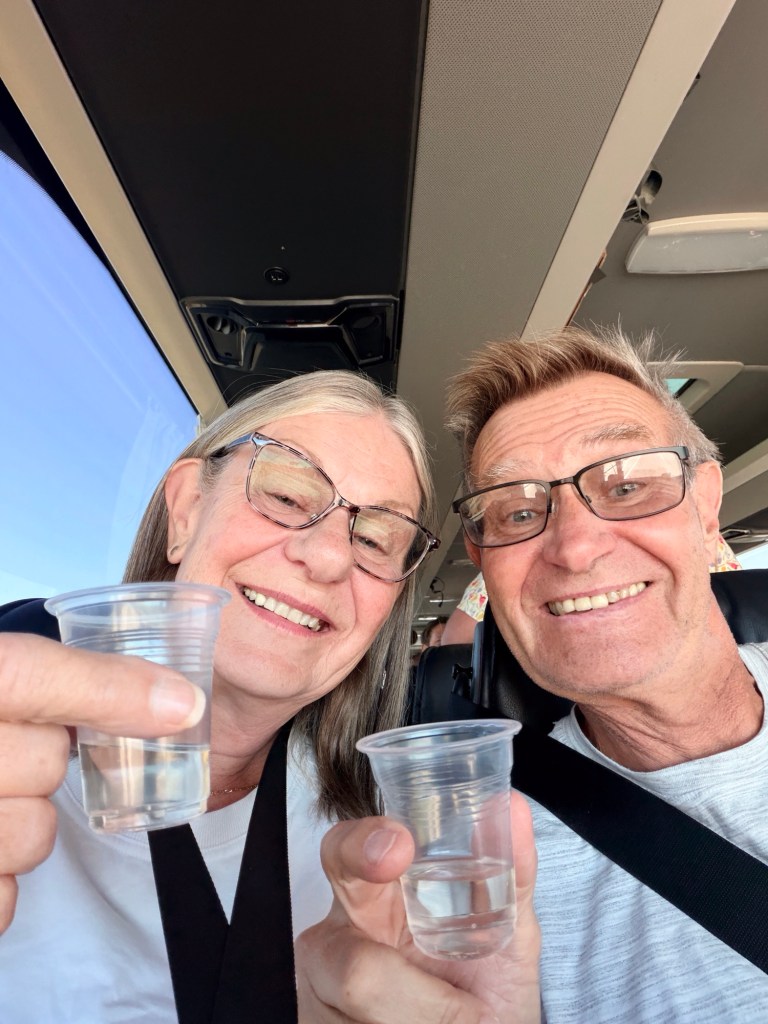
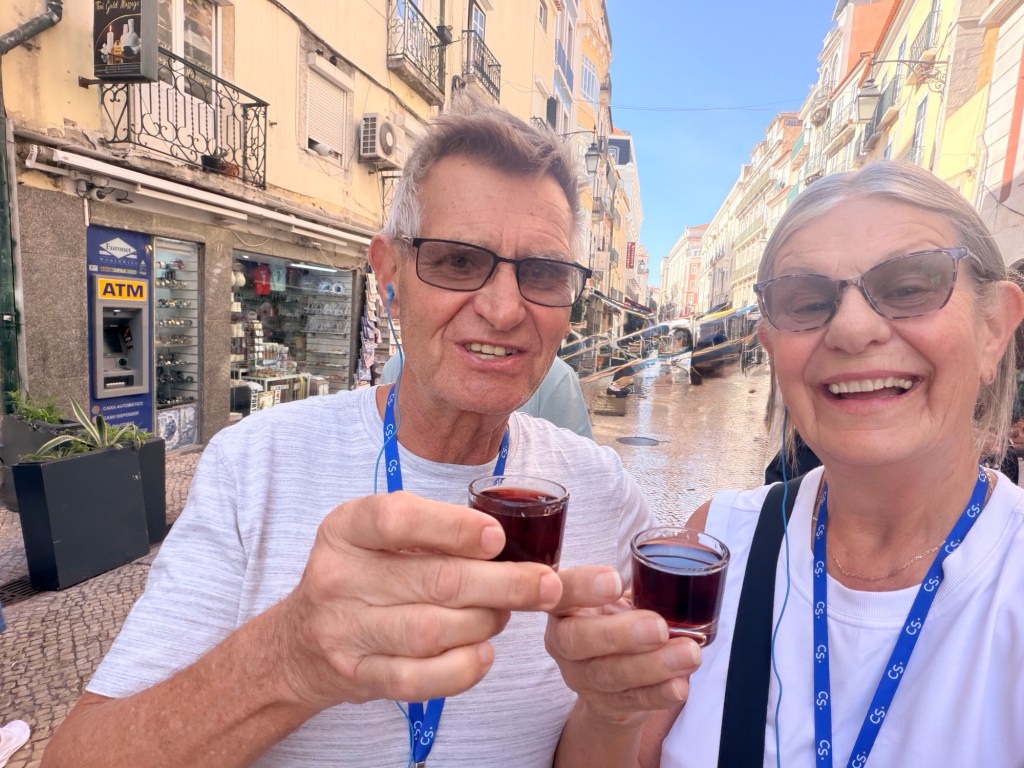
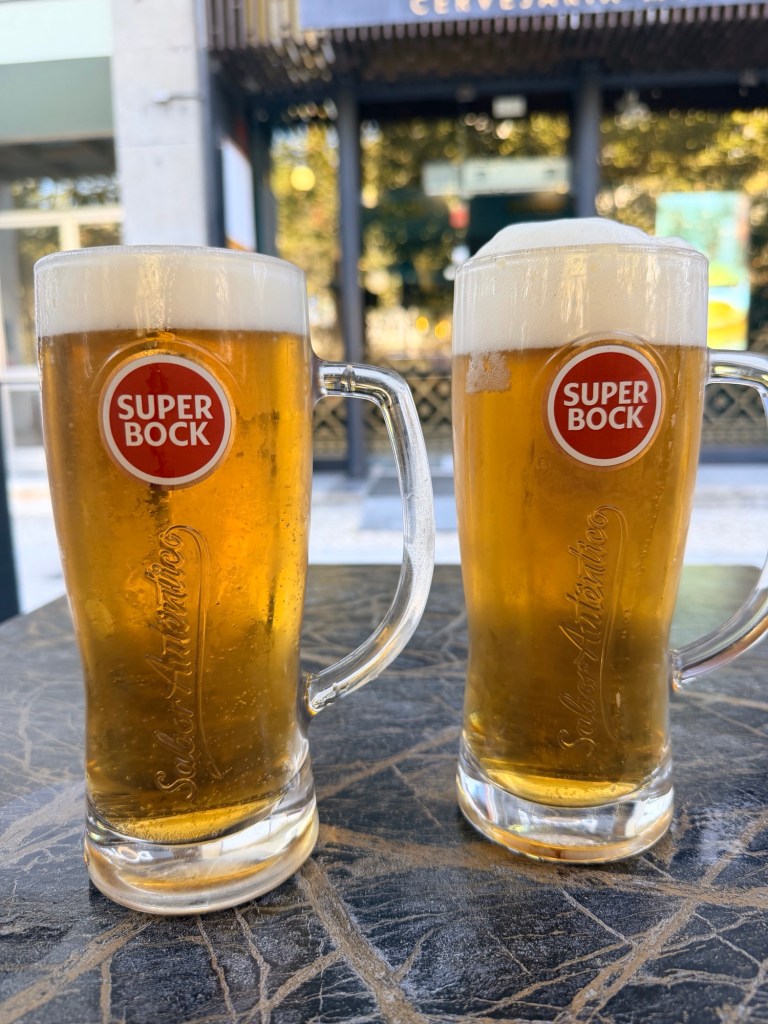
Salted codfish is the national dish and is served up anyway imaginable. Funny thing is the codfish comes from Norway and Iceland, a tradition that dates back centuries. Another funny fact is that Portugal invented Rosé and is the 7th largest producer of Rosé in the world but the population itself doesn’t drink it. If you order it in a restaurant, they know you’re a tourist. However, Portugal does have 17 wine producing regions and the locals don’t hesitate enjoying wine from them anytime of the day. There are basically only 2 choices of beer, Superbok or Savras. Our walking tour also allowed us to sample a local liqueur, Ginjinha (sour cherry liqueur) and our tour guide gave us a taste of Amarguinha liqueur (bitter almond) on the bus which certainly put a spring in our step. There was a huge cruise ship parked in the port which explained why it was extra busy.
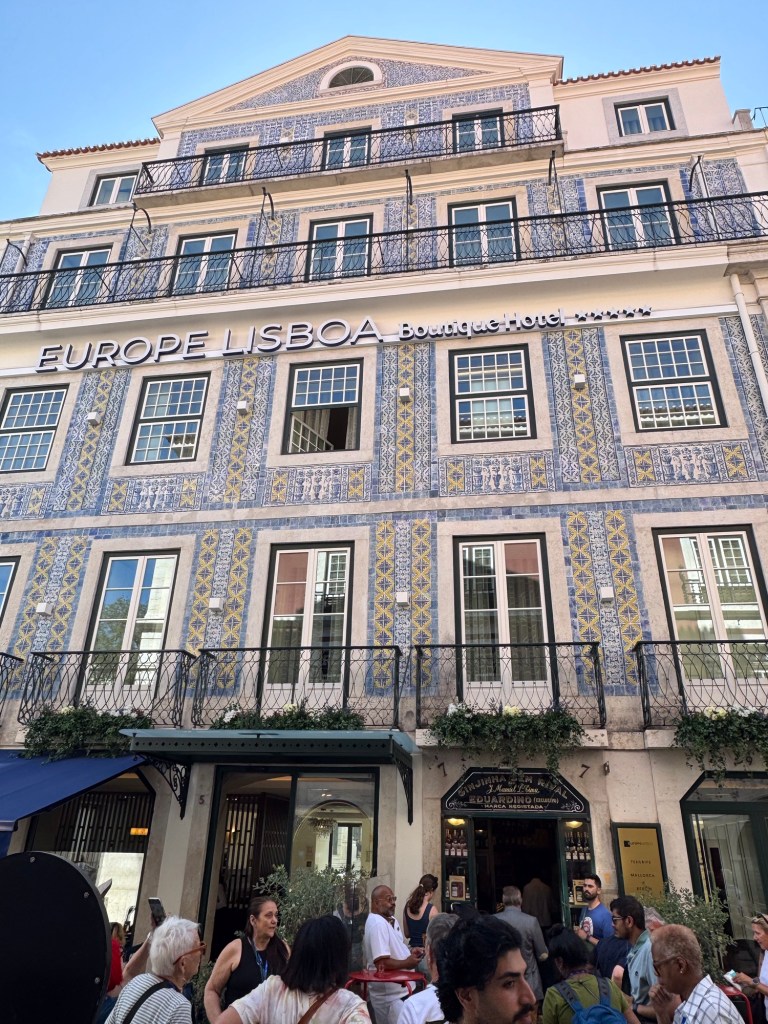
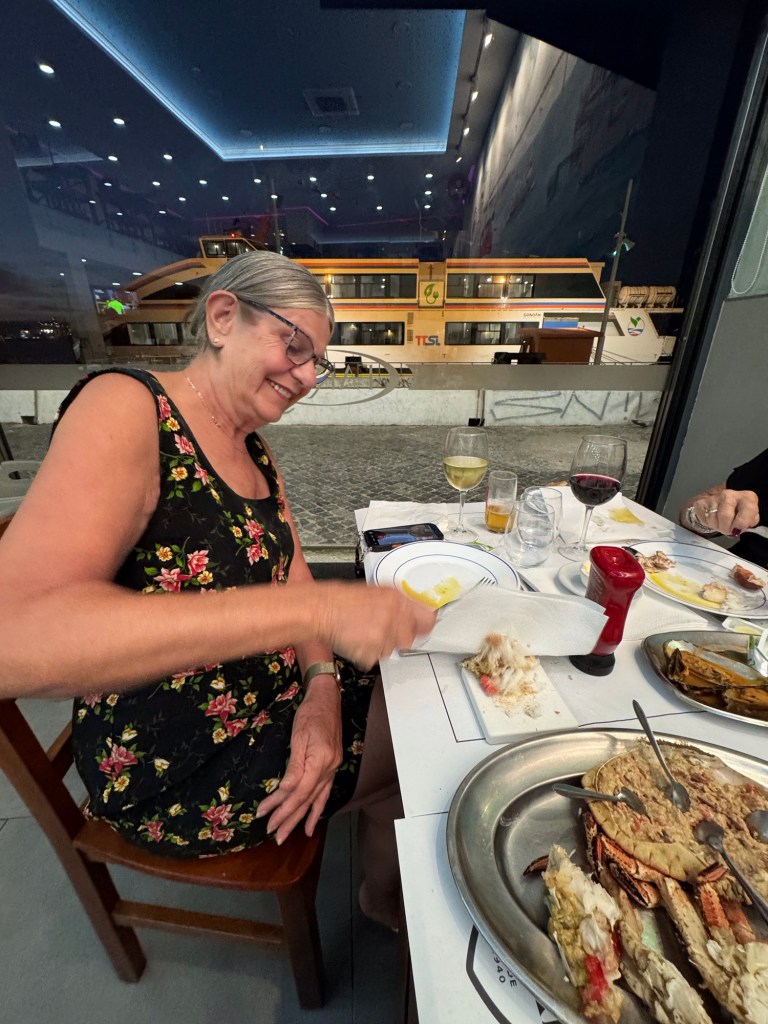
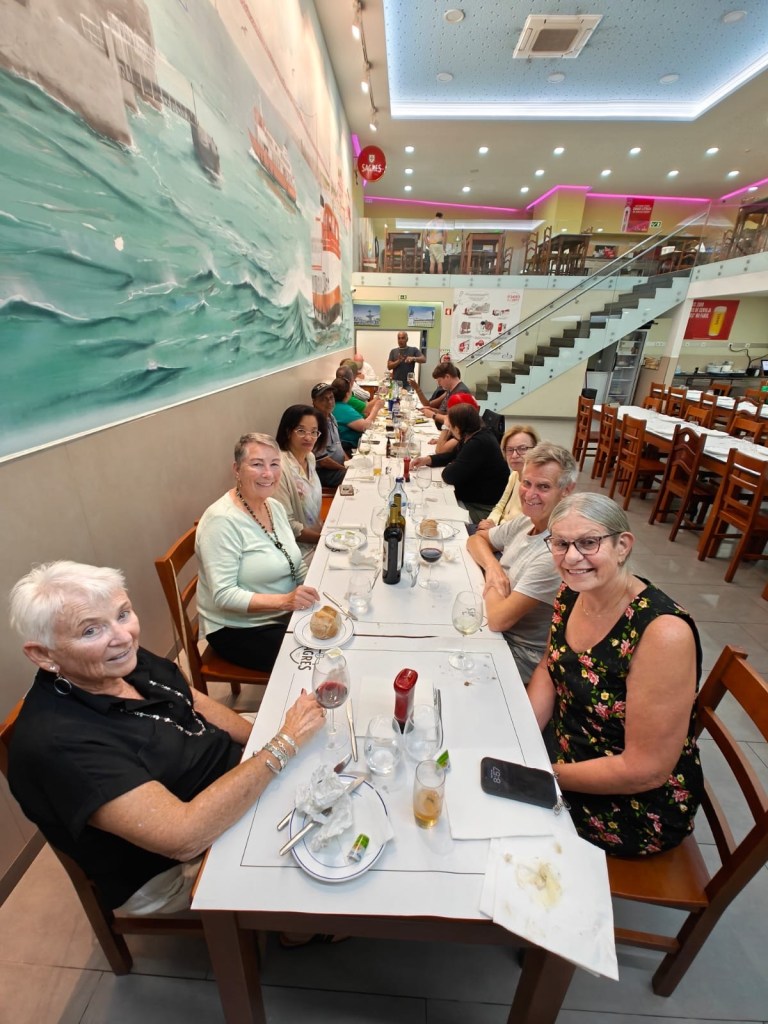
That evening we were back to the port for a seafood feast. Being on the Atlantic Ocean coast, the seafood didn’t disappoint. Paired with Vino Verde, a young green wine, our group had a fun night. Our bus even had a “coachaoki” singing session on the way back to the hotel.
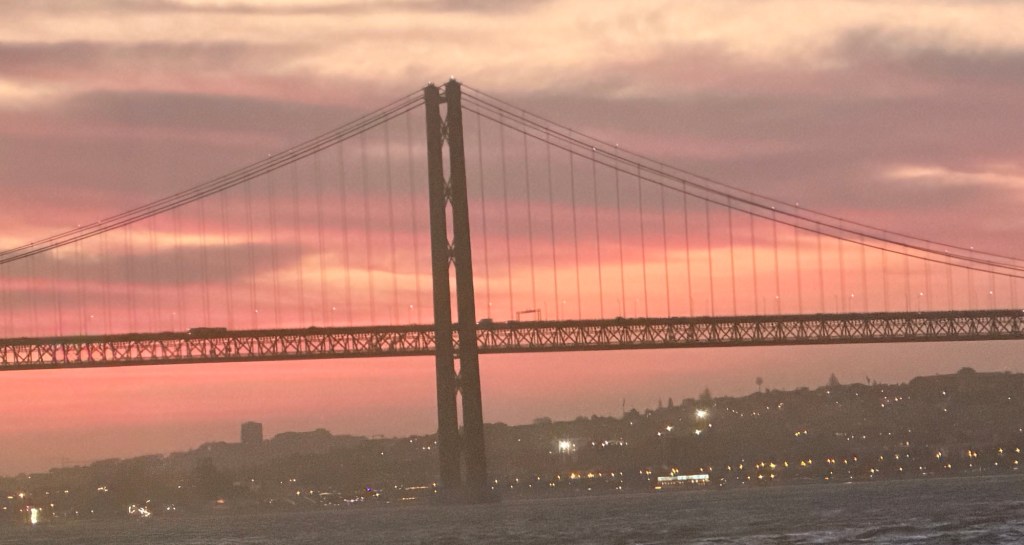
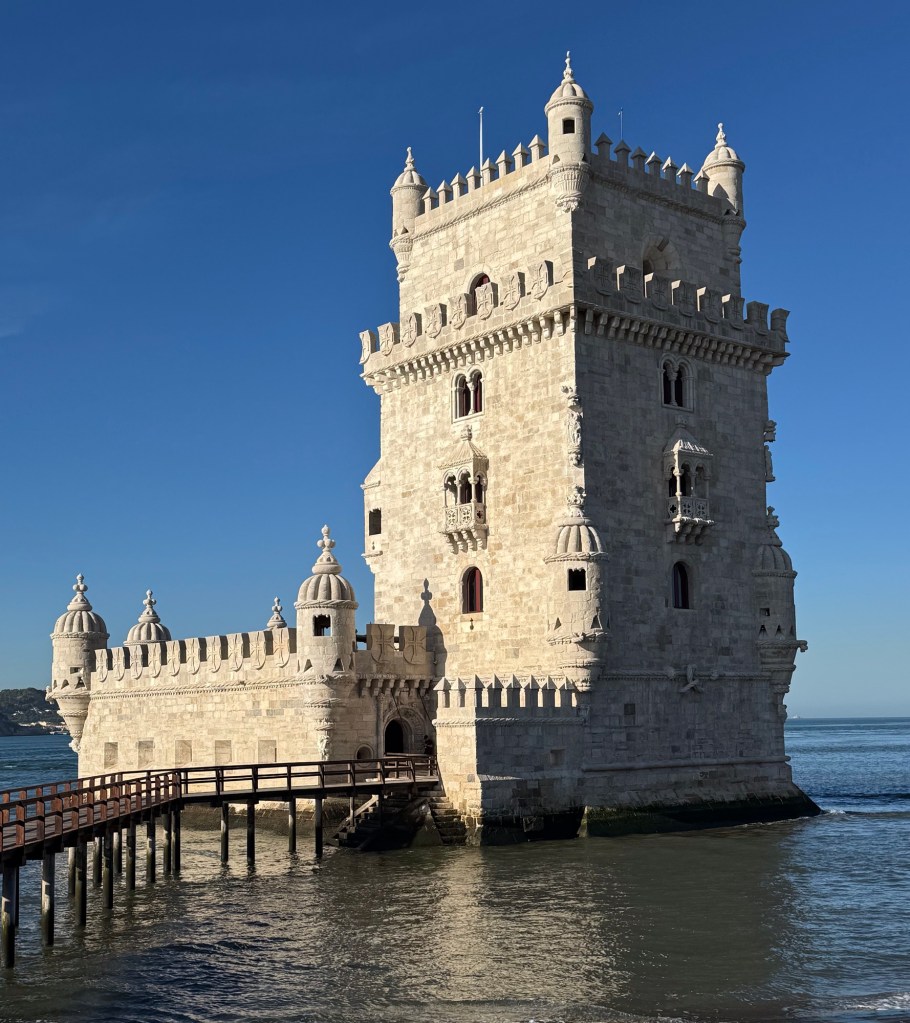
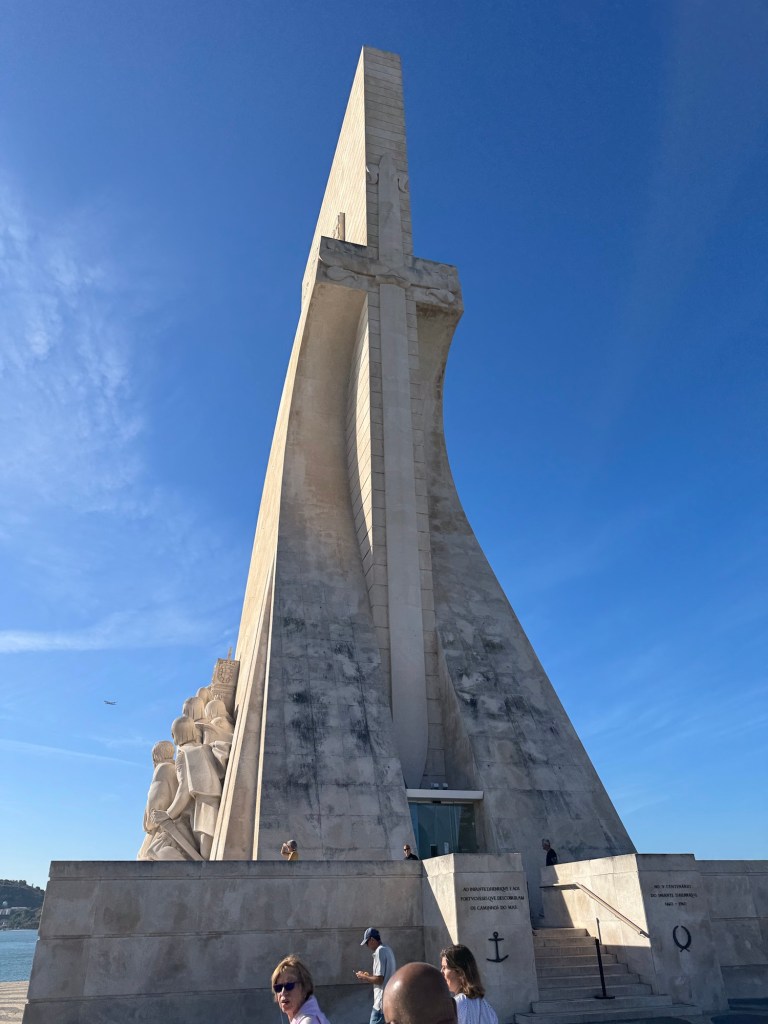
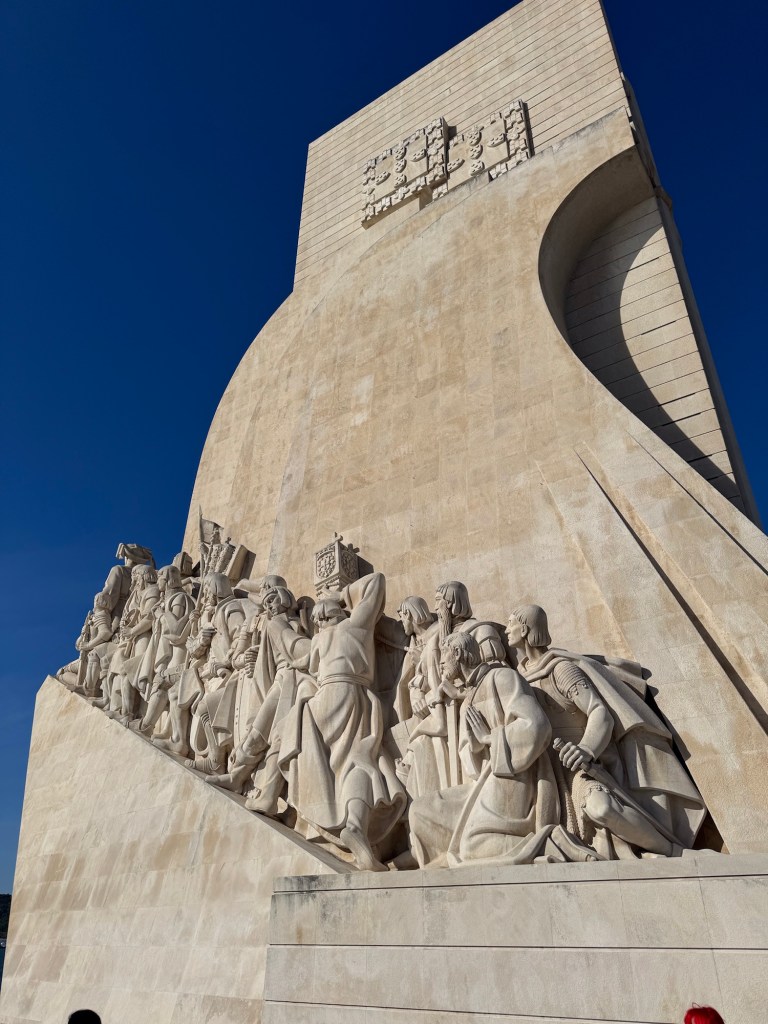
It’s our last day of the tour and we are doing a day trip not far south. First off we saw monuments dedicated to Portuguese history mainly centred around the mouth of the Targus River a little out of town. Those Portuguese certainly could sail.
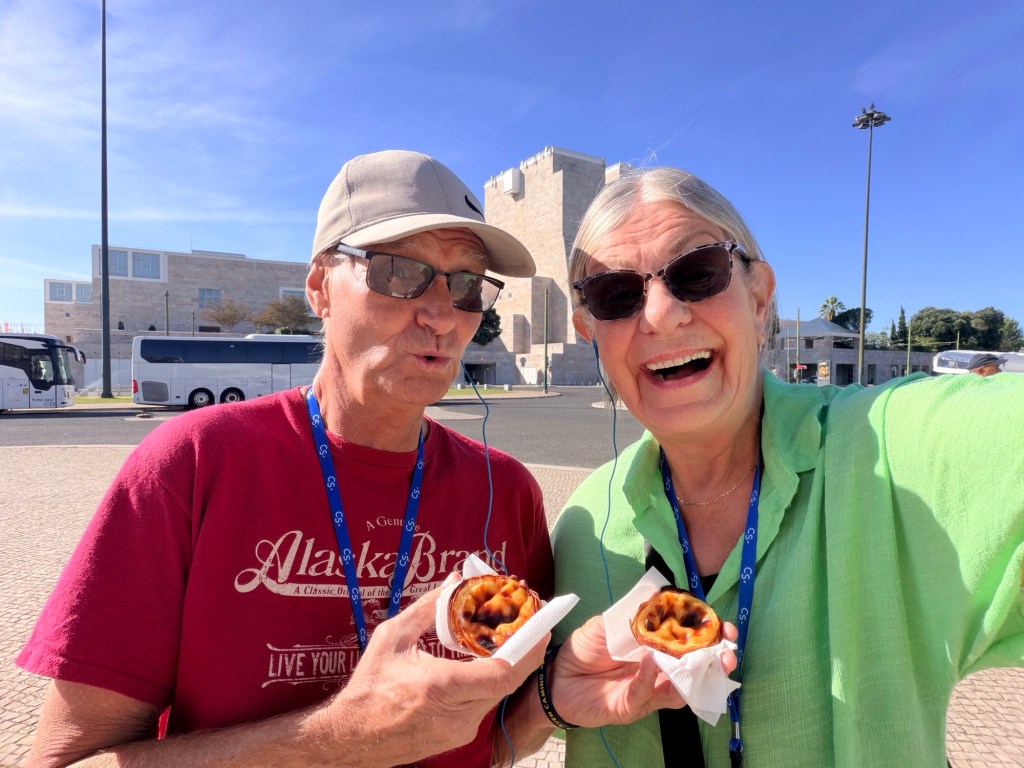
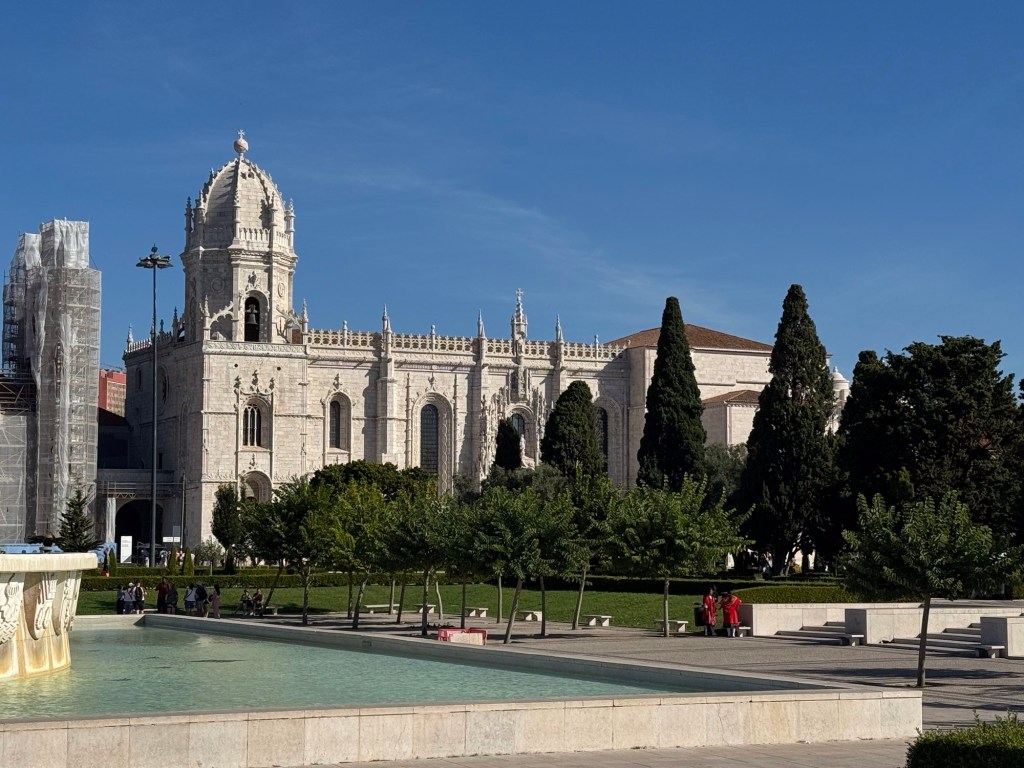
They can also make tarts! Morning tea was outside the Jerónimos Monastery. Before the 18th century the monks and nuns used hundreds of egg whites to starch their religious habits which meant they were left with a surplus of egg yolks and this is how the rich sweet custard tart was invented. When the monastery closed, the monks sold the secret recipe to a nearby sugar refinery. To this day the exact ancient recipe remains a guarded secret known only to a few master confectioners and is kept in a secure room. This authentic warm tart was the best we’ve had so far.
Continuing south along the coast we were now spying some nice beaches and surf breaks. The surfers all wore wetsuits and though there were crowds on the beach, not many were in the water swimming. We had heard that the waters of the Atlantic Ocean were cold.
As we approached the town of Cascais, I’d hate to think what the value of the properties that lined the beach in this beautiful area were worth. It has always been an area popular with Nobility. Cascais is right on the point. Great food, shopping and views make it a desirable destination.
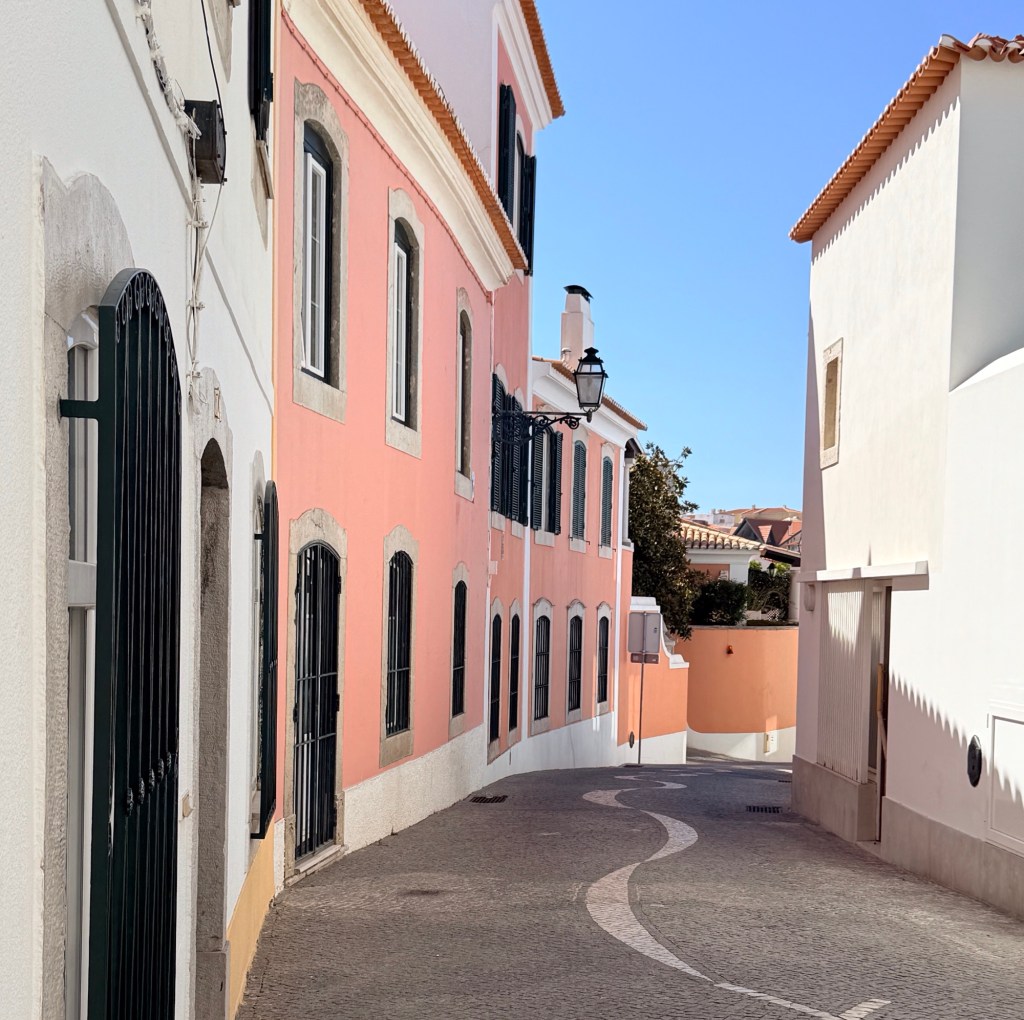
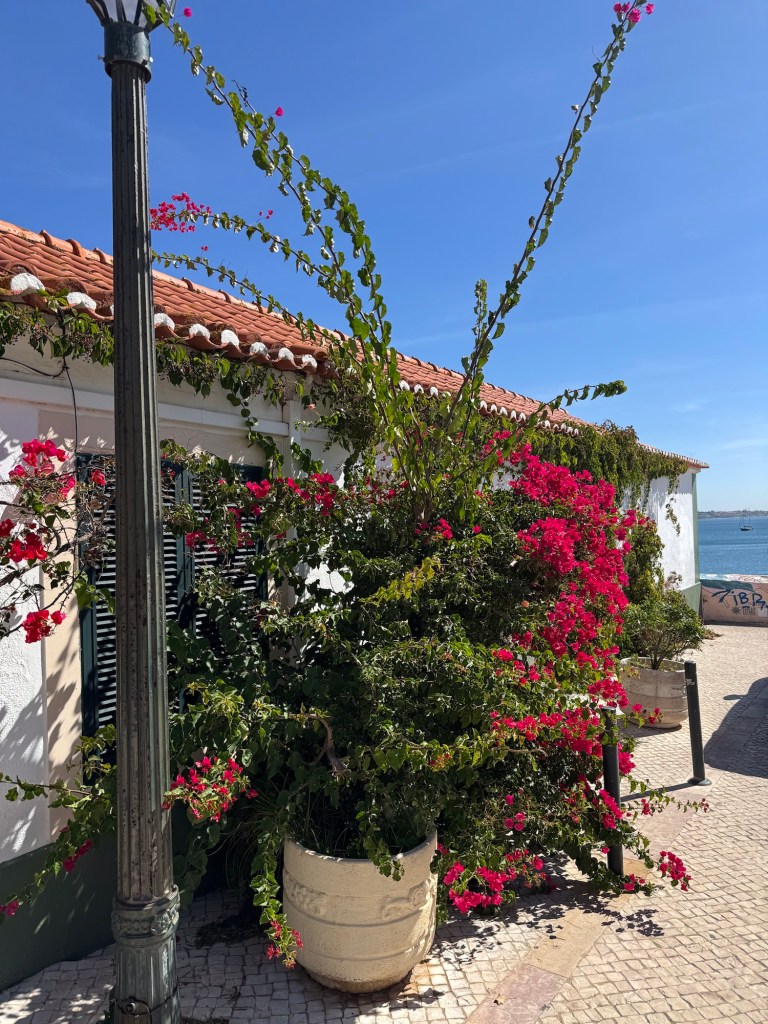
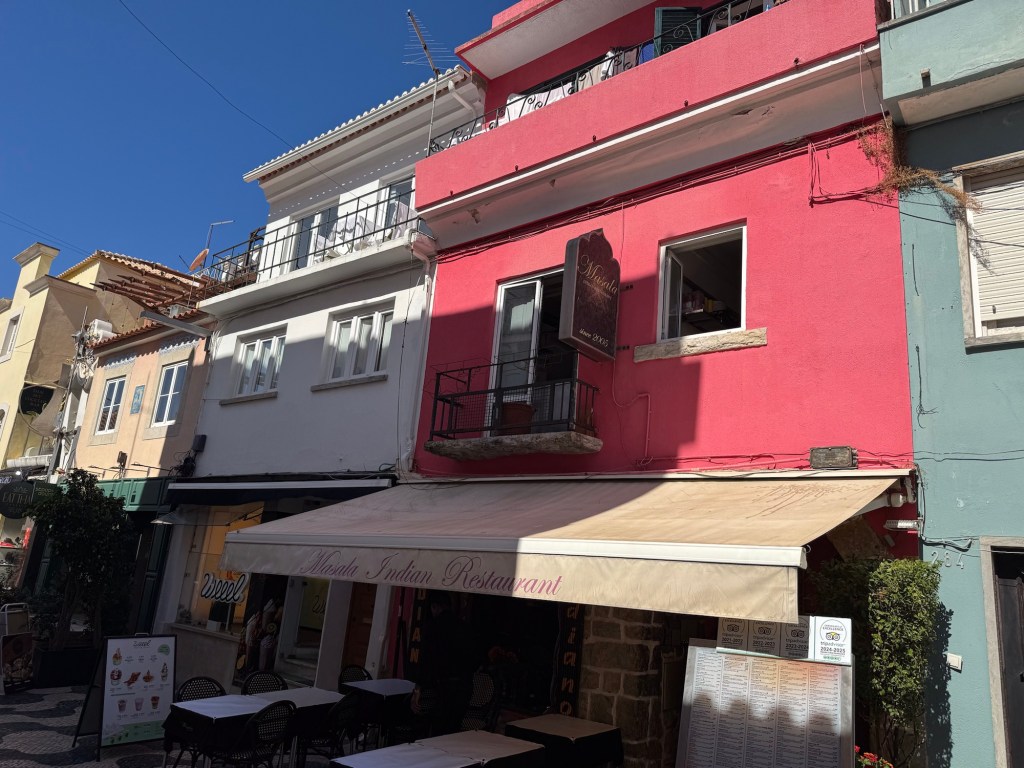
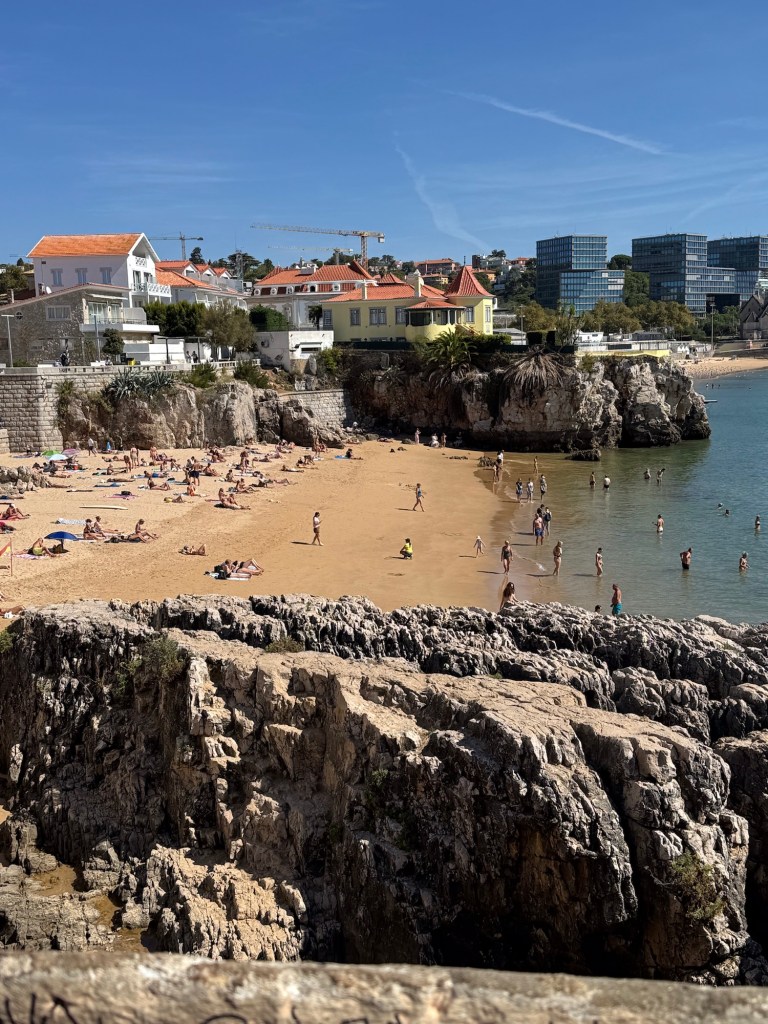
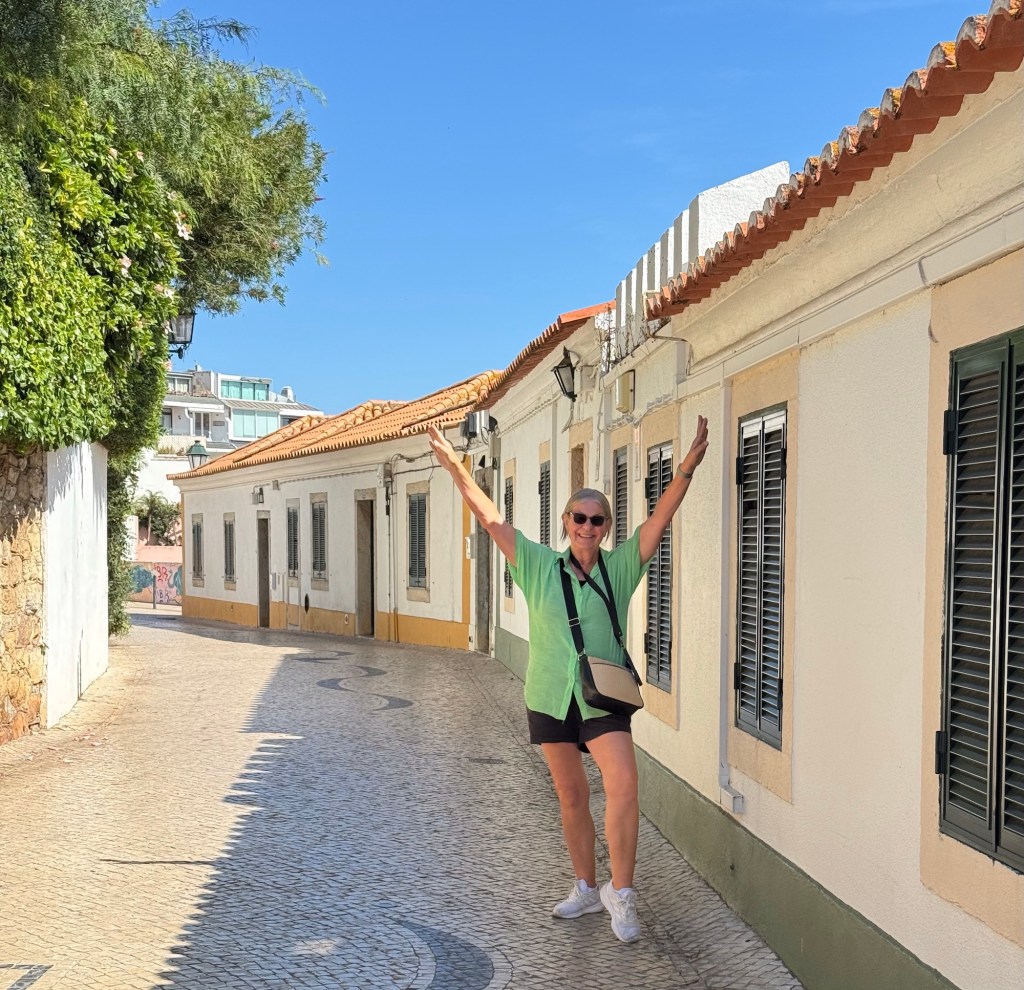
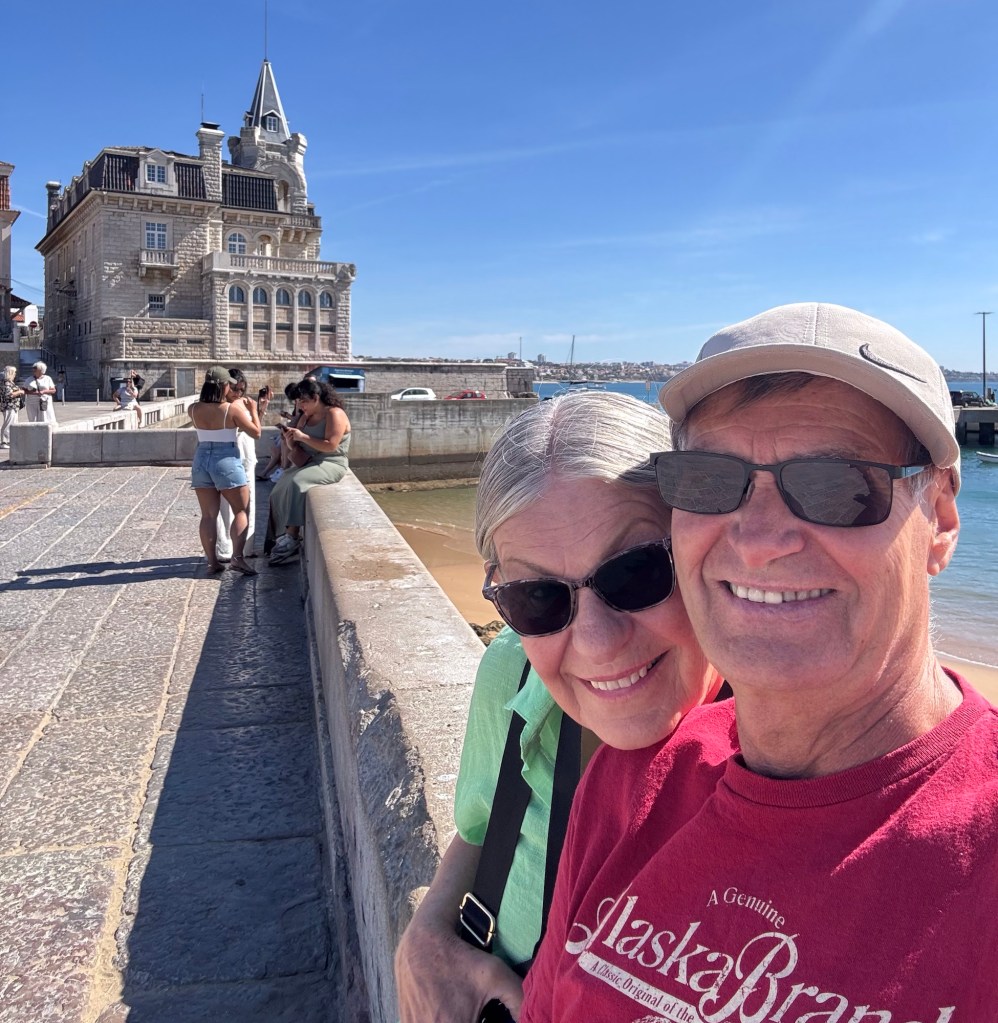
Portugal was not involved in World War 2. The Cascais Casino apparently hosted soldiers from both camps of the war. As they were a neutral country soldiers were not allowed to wear their uniforms and our local guide told us stories about spies and double agents. Apparently Ian Fleming got his idea about the James Bond novels from this area. On Her Majesty’s Secret Service was filmed here and was the only movie James Bond was ever married in.
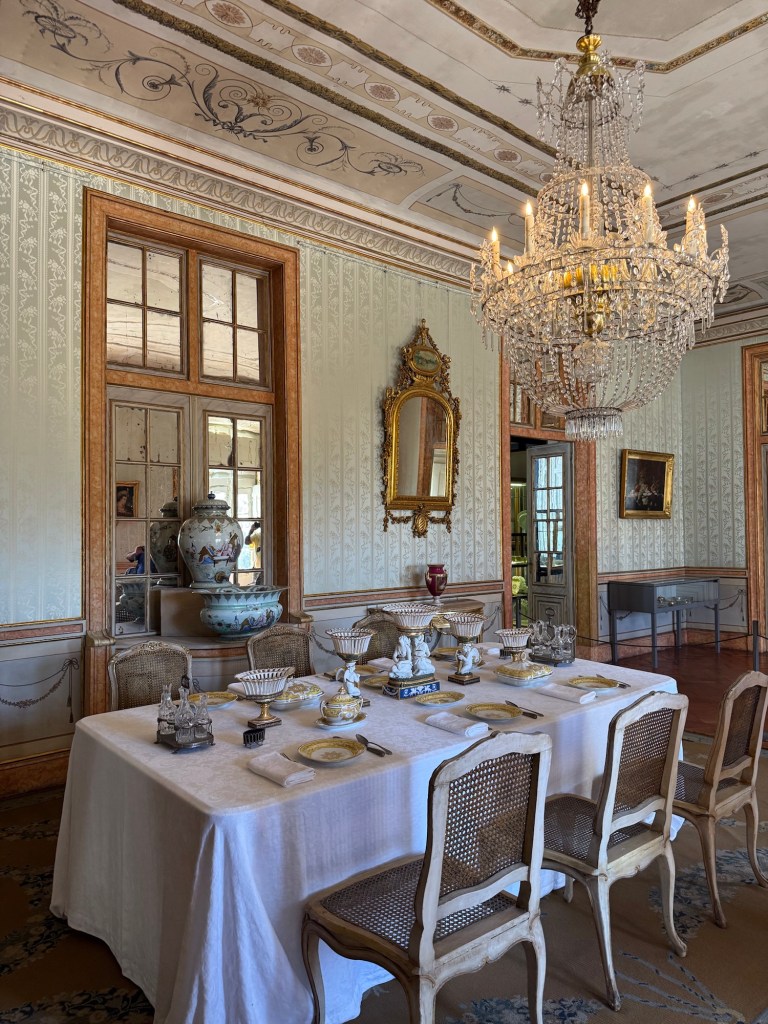
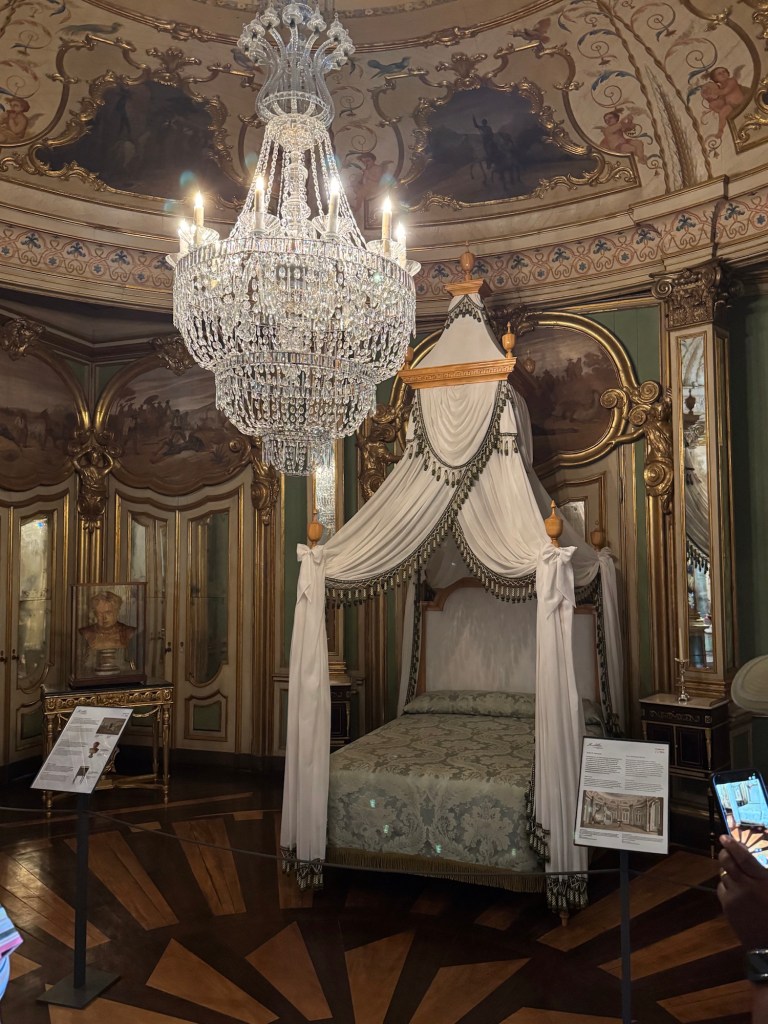
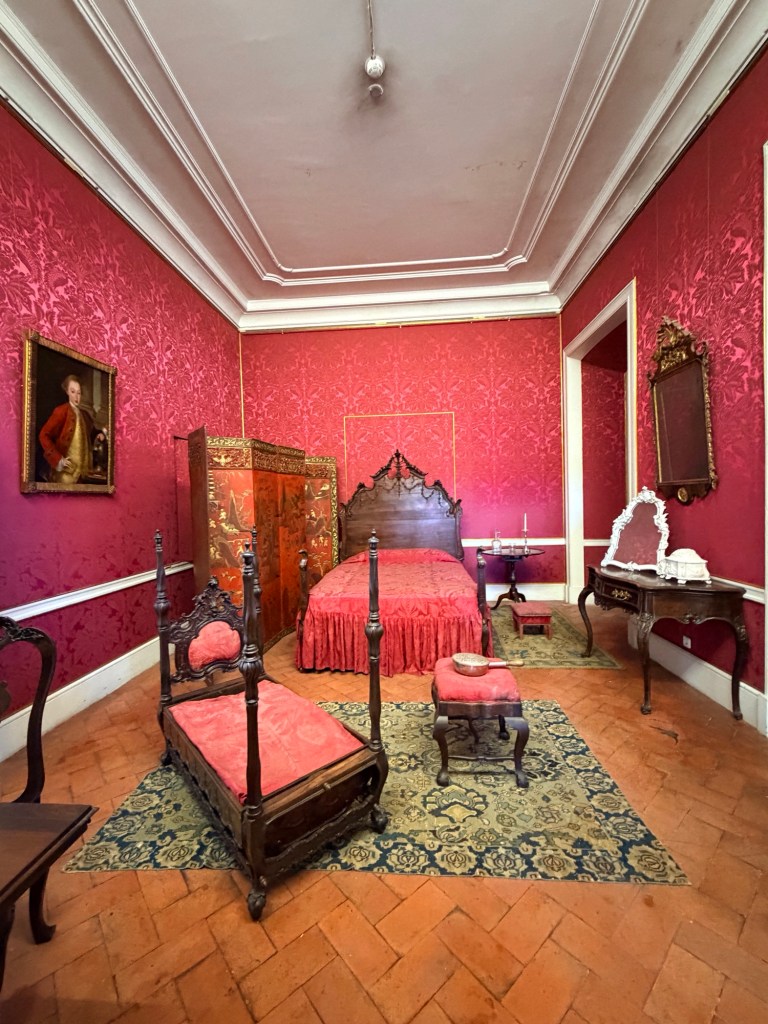
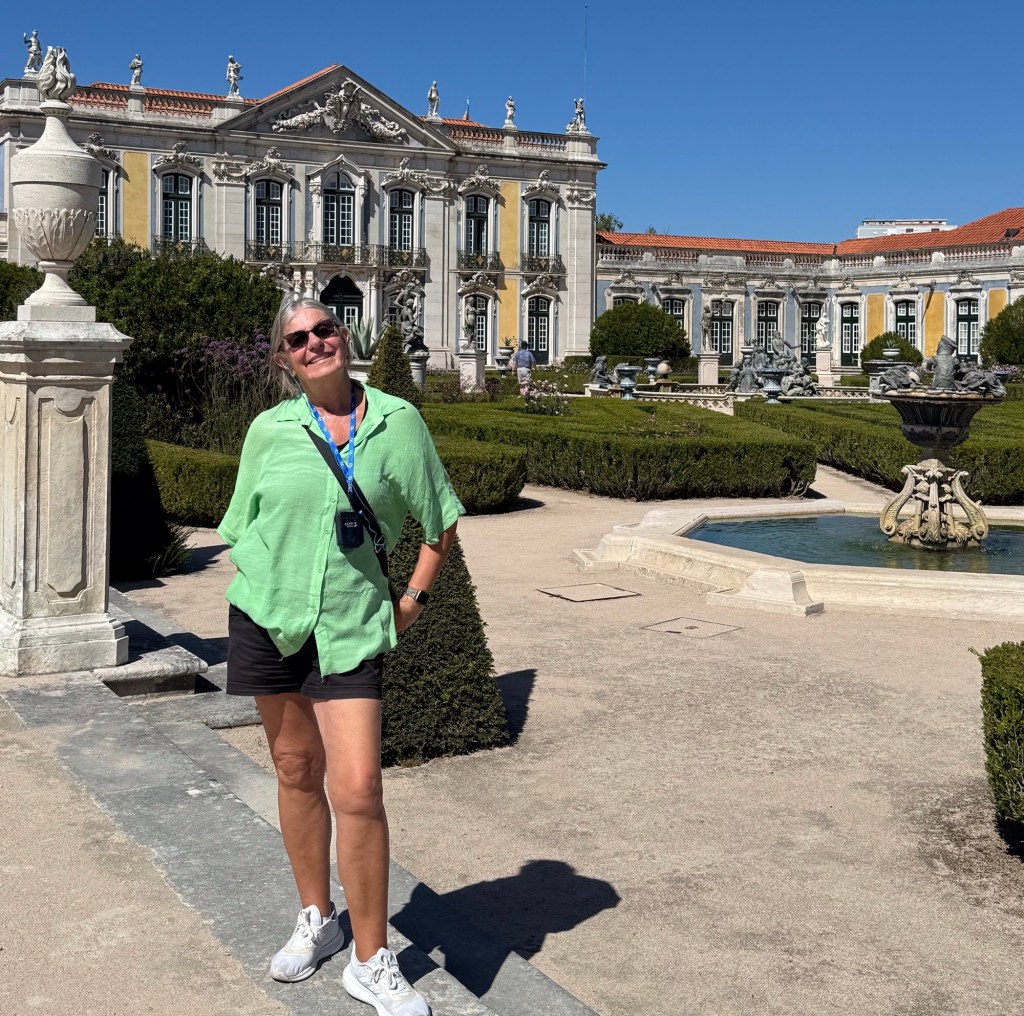
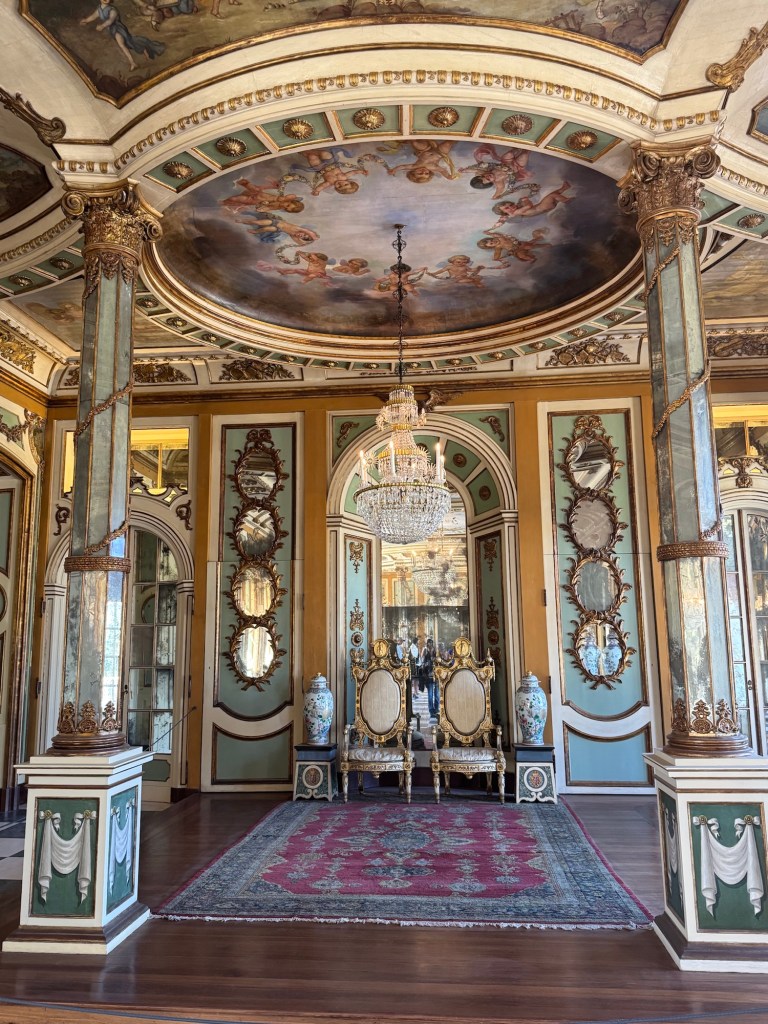
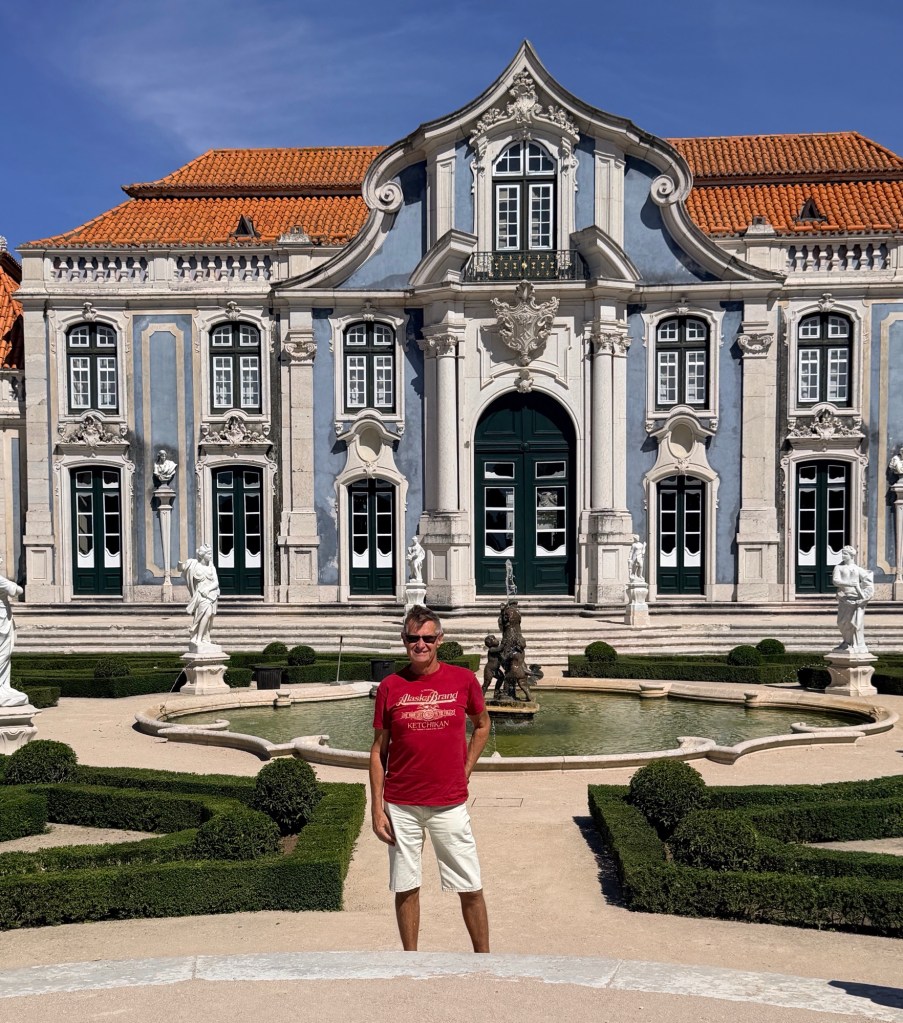
Next we stopped at the Queluz Palace, the former summer palace of the Royals. Events are still held here so it is well maintained. We’ve seen quite a few palaces on this tour but this felt different. Inside, whilst beautiful it had a genuine old musty smell. The rooms were furnished and as the local guide told some sordid tales of past happenings, you could feel yourself floating into centuries past. The gardens were immaculate and filled with fountains and statues. We could just imagine arriving in a carriage in days gone by.
Tonight we had our tour farewell dinner. It was sad to say goodbye to our new family. It was a smaller group so we had bonded well. Our tour director was magnificent. Not just his knowledge of the area we toured but his people skills to deal with our diverse group were great. Our driver kept us safe. How he managed to squeeze through some of those narrow streets and alleys I’ll never know. Next time I’ll keep my eyes open.
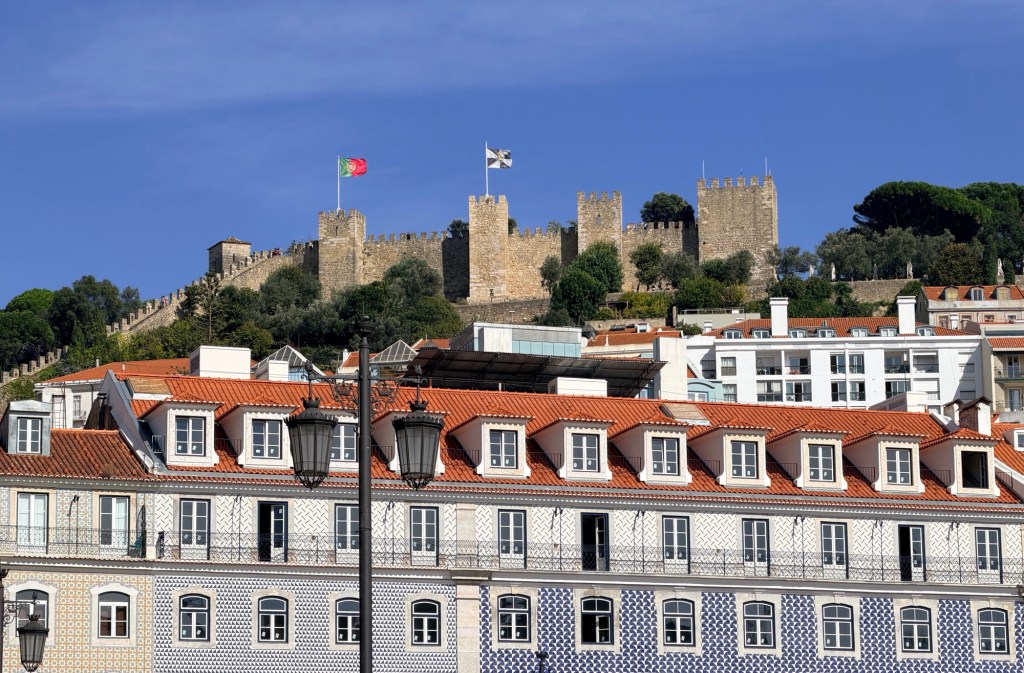
Today it is just Ruthie and me and I thought we were having an easy day. We managed to walk 15km! From our hotel we walked up to St George’s Castle. A very interesting area, lot of tourists meandering through the cobblestone streets taking advantage of the cafes and souvenir shops. Great views back to the harbour and over Lisbon.
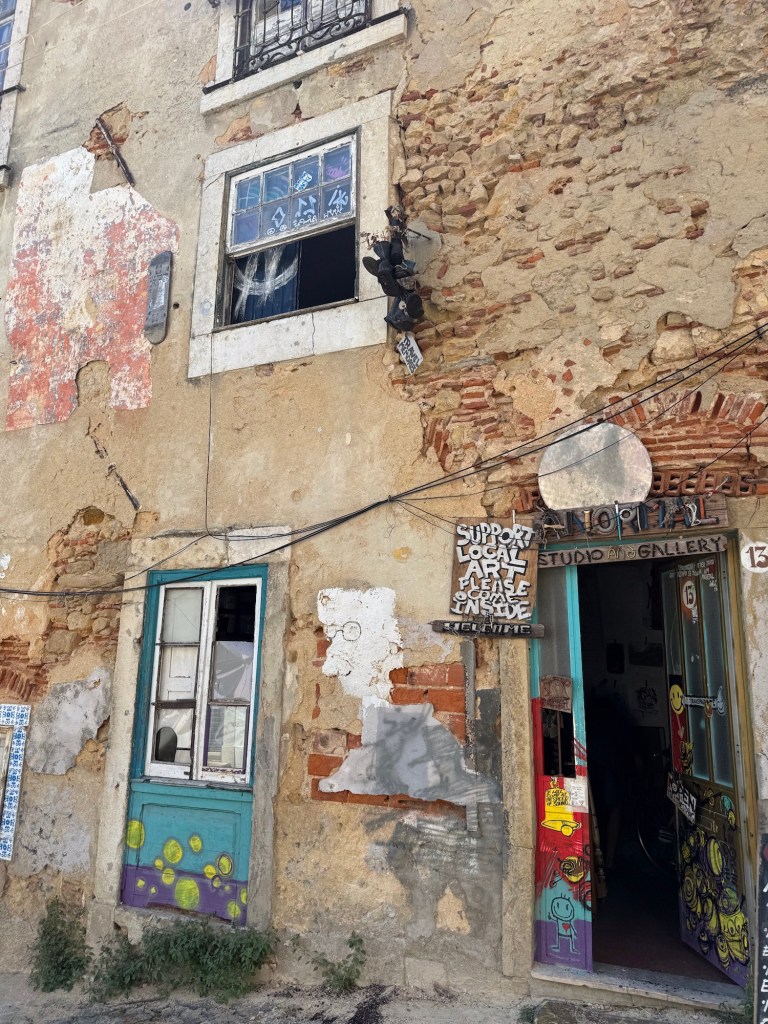
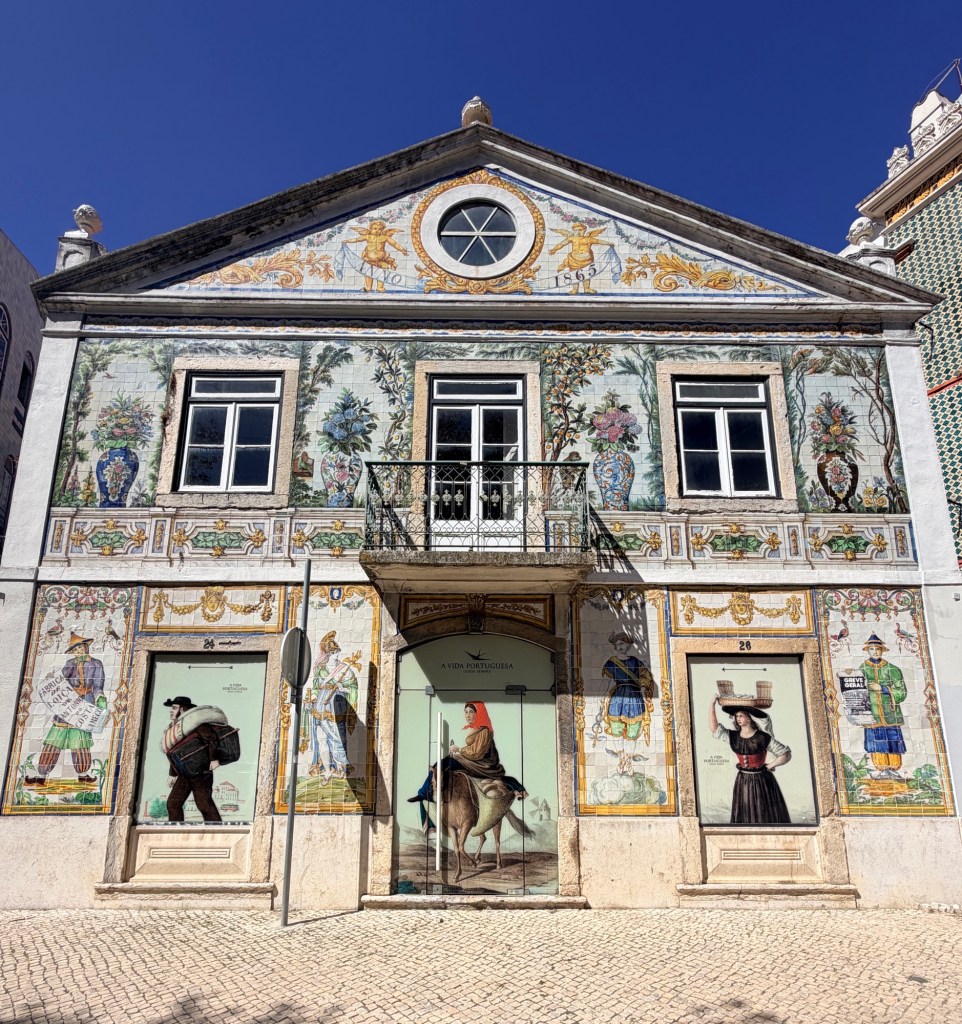
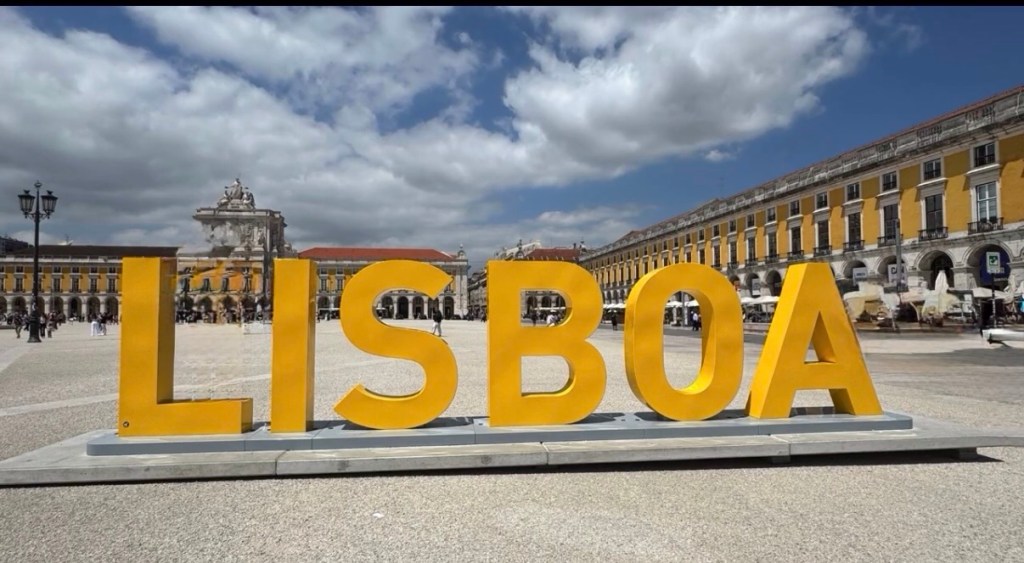
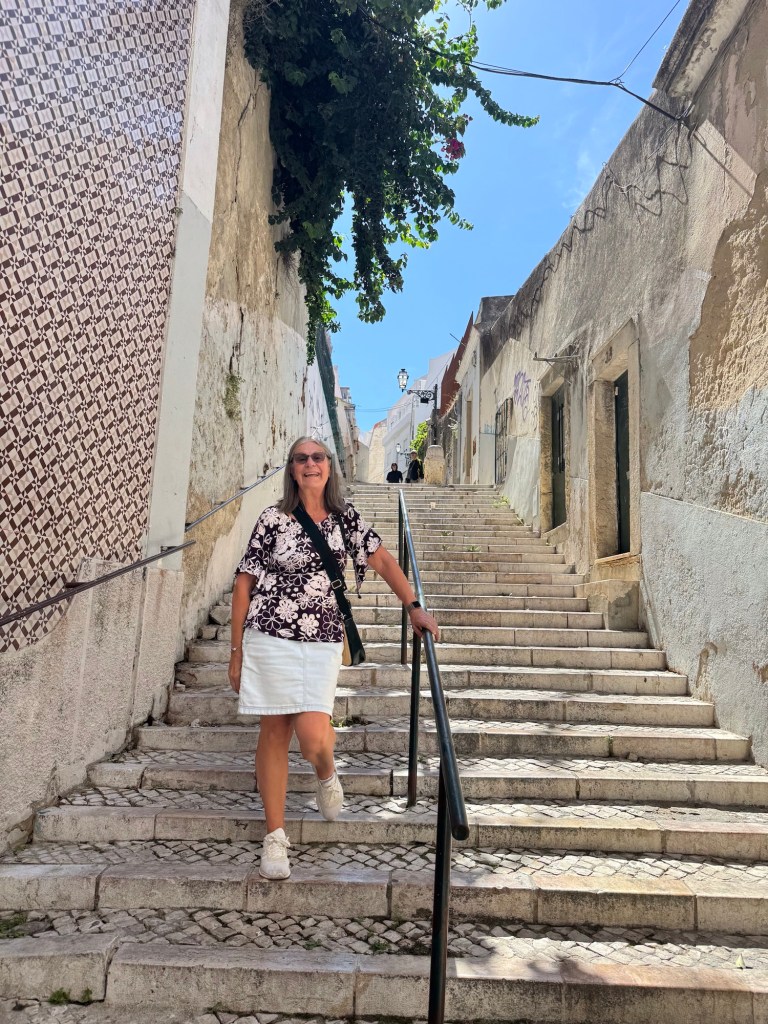
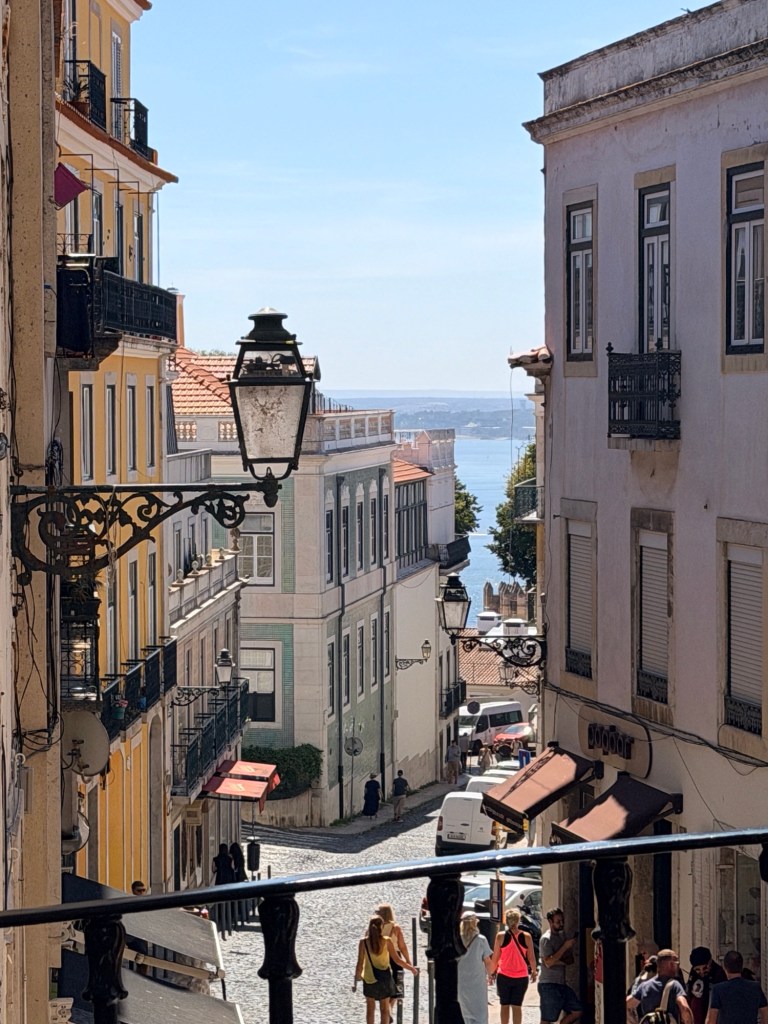
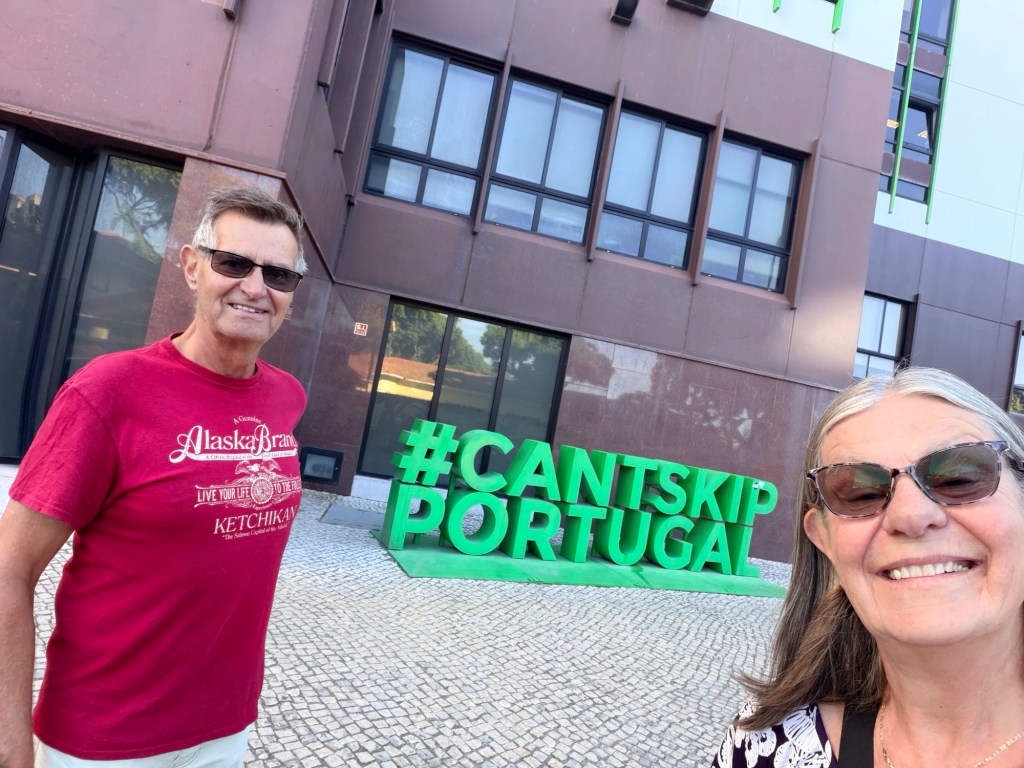
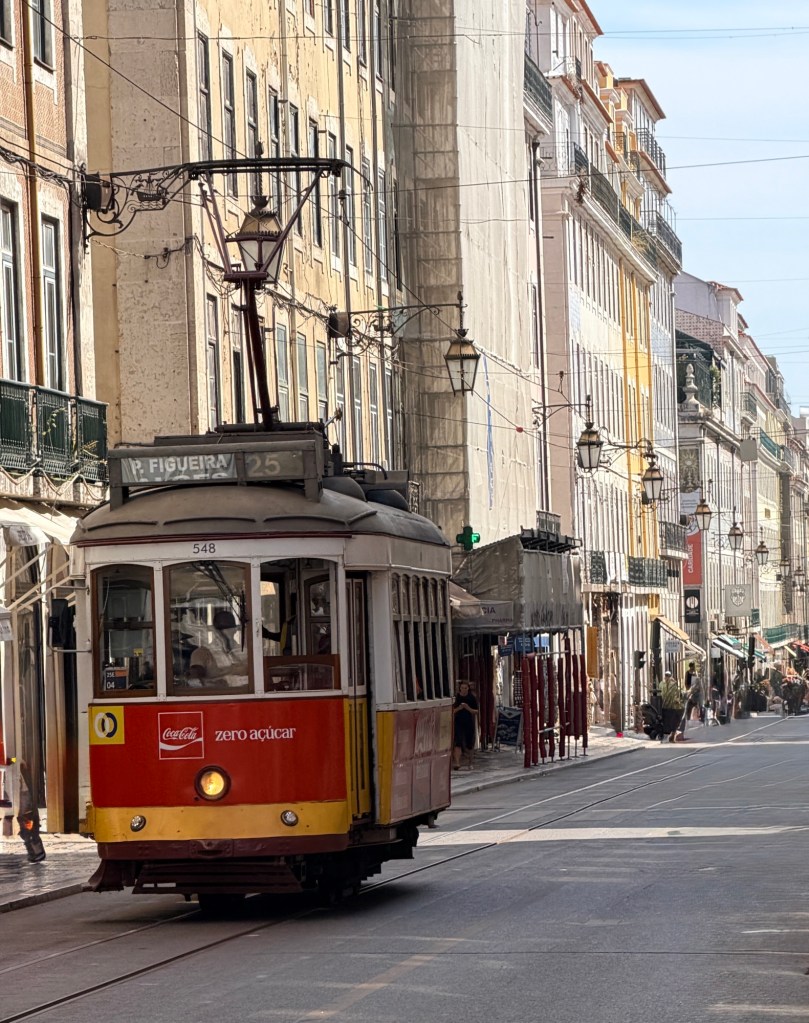
Tram 28 is a well publicised circle tram that goes past many of the highlights of Lisbon. We thought it would be a great idea to try it. Well we waited …… and waited with the crowd. Eventually a bus turned up and the crowd hopped on. Ruthie and I looked at each other, shrugged our shoulders, and started walking back to the hotel. Off course it was a fair distance so we stopped for a coffee and a pastel de nata. Another kilometre or so we passed a happy hour bar and we couldn’t resist a pint of Superbok beer. That certainly gave us the energy to get us back to the hotel.
Now off to Porto on a bus with the backpackers! Porto is located on the grand River Duoro. One side of the river is called the Ribeira and across the river is Vila Nova de Gaia where the famous port wine cellars are. Like most of Europe, it has a lot of historical significance from over the ages.
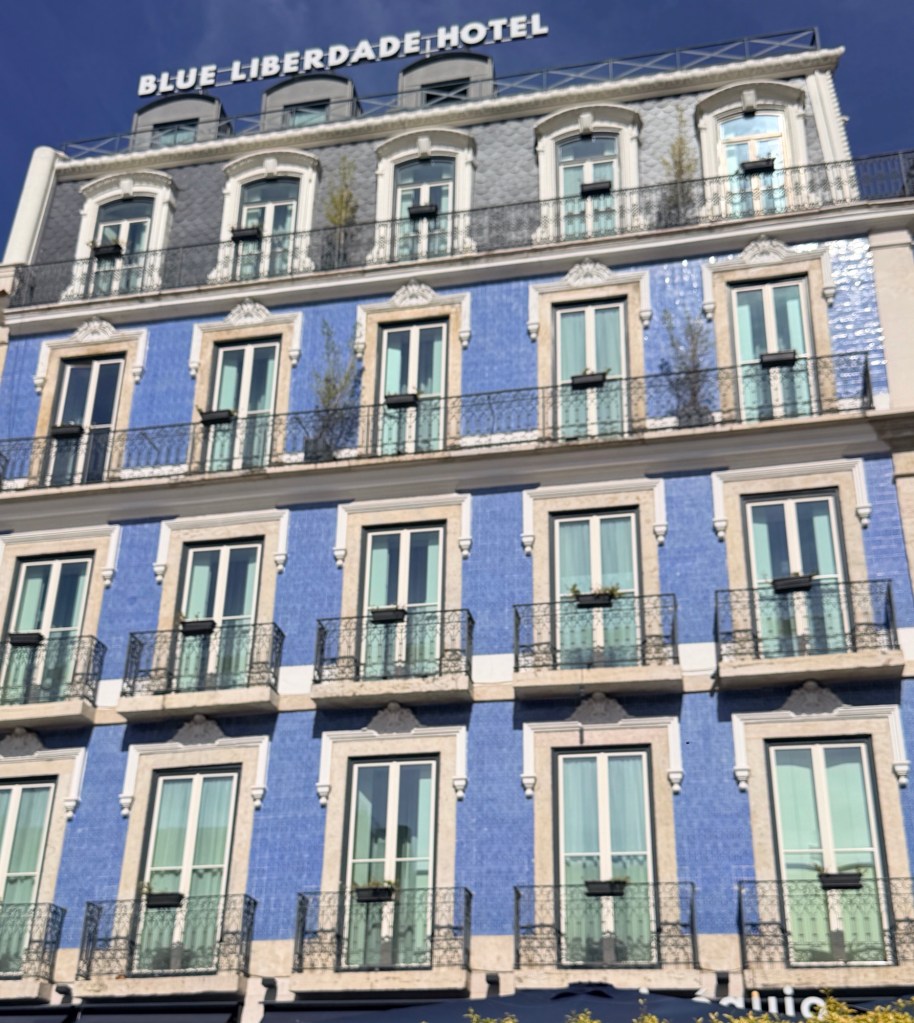
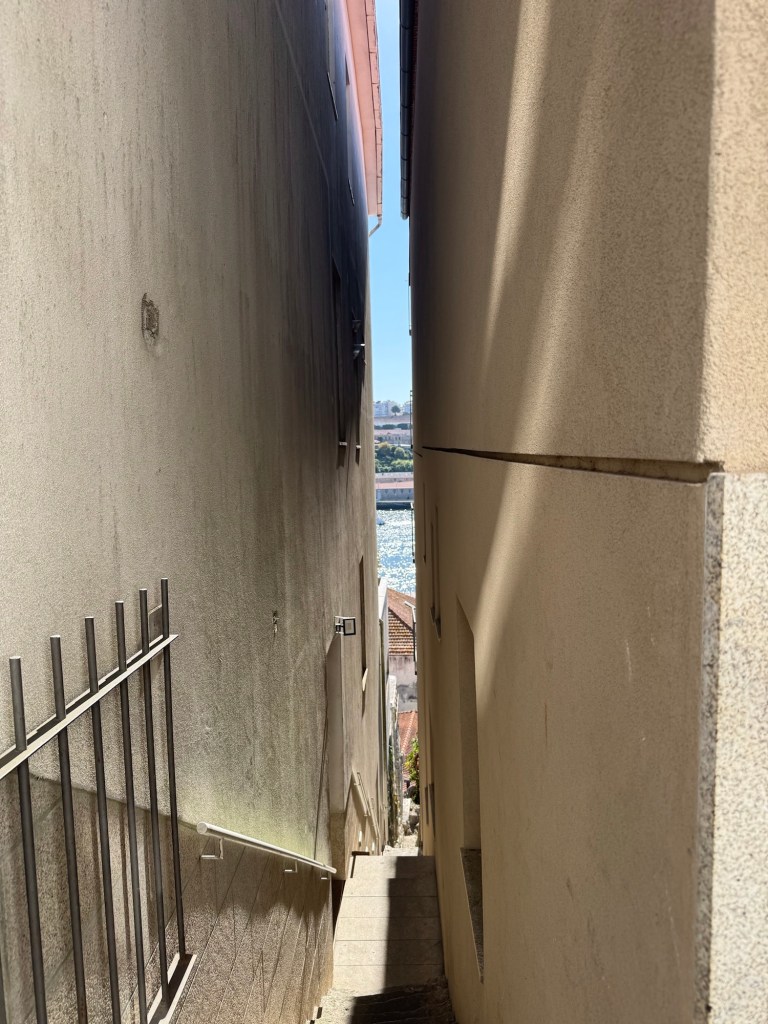
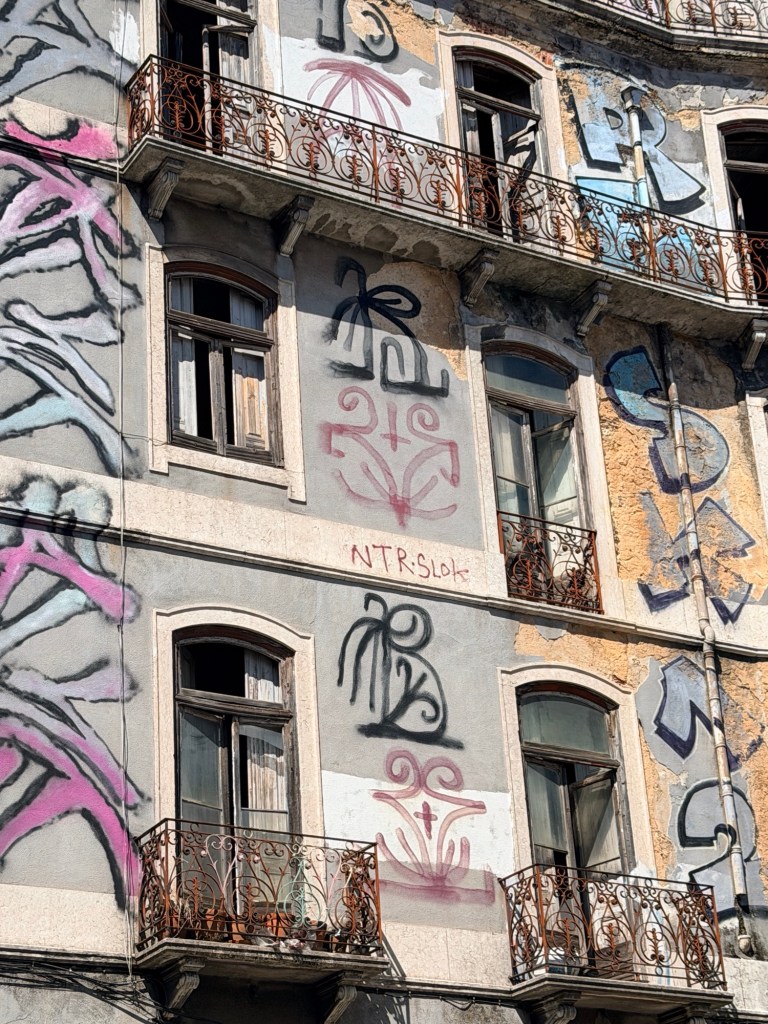
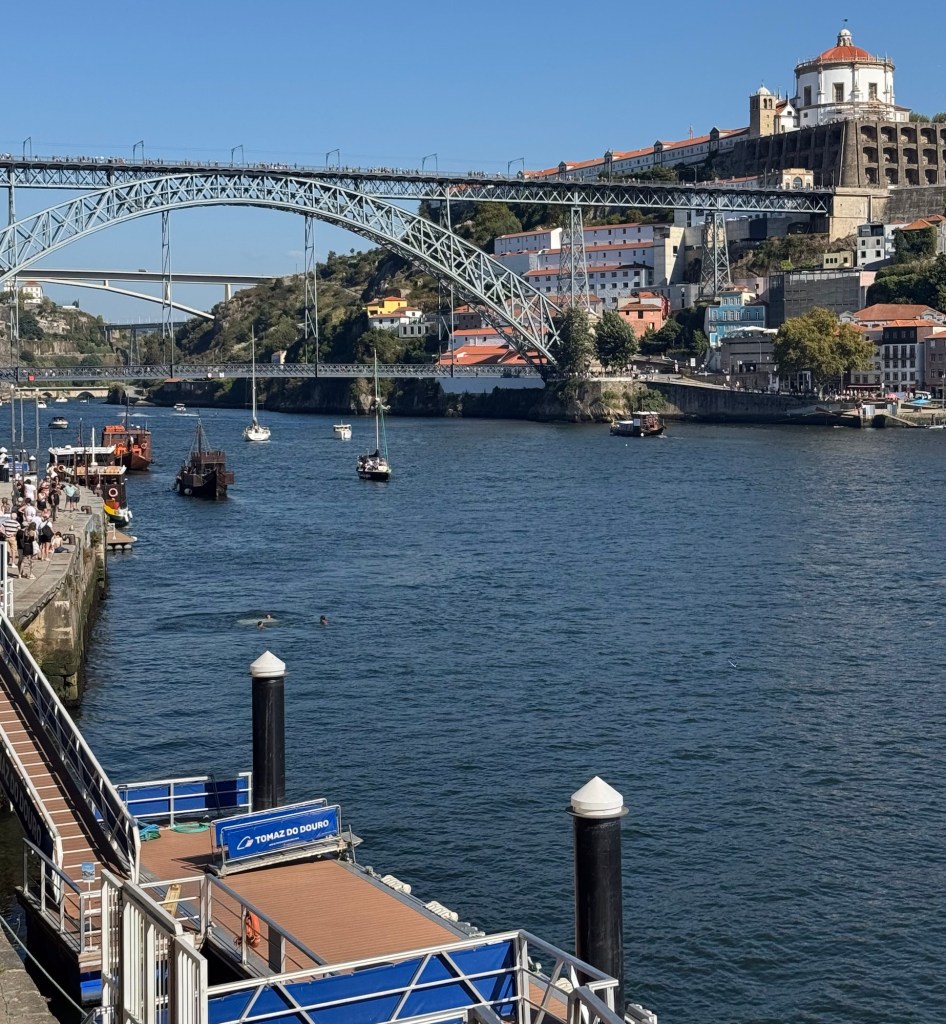
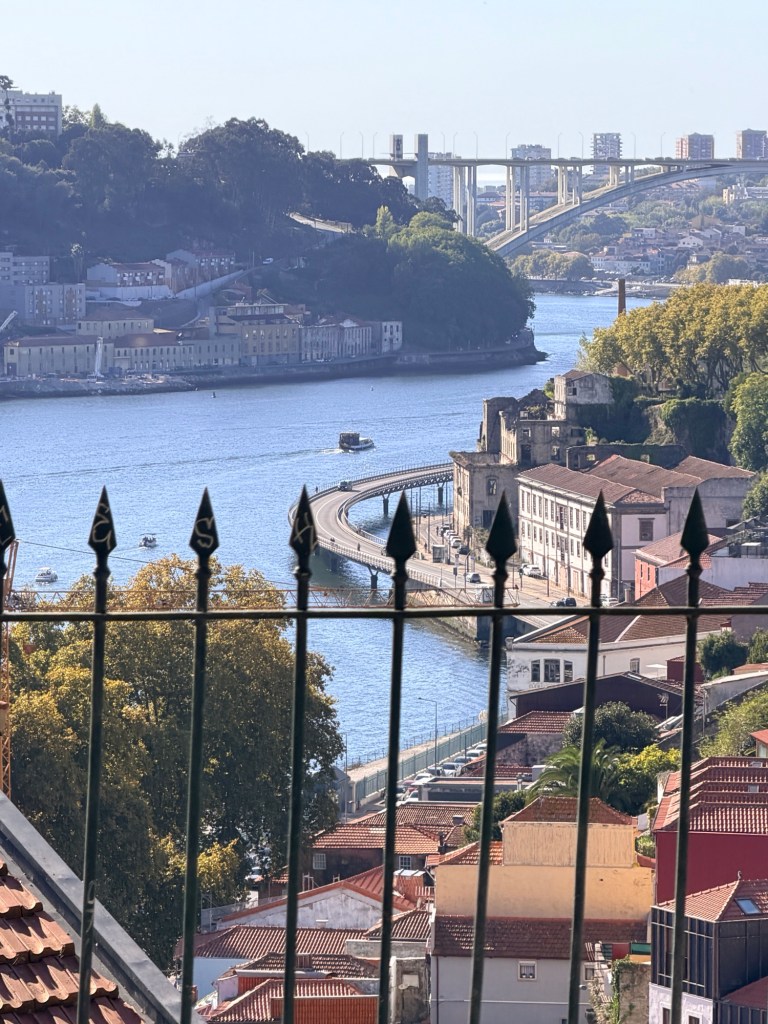
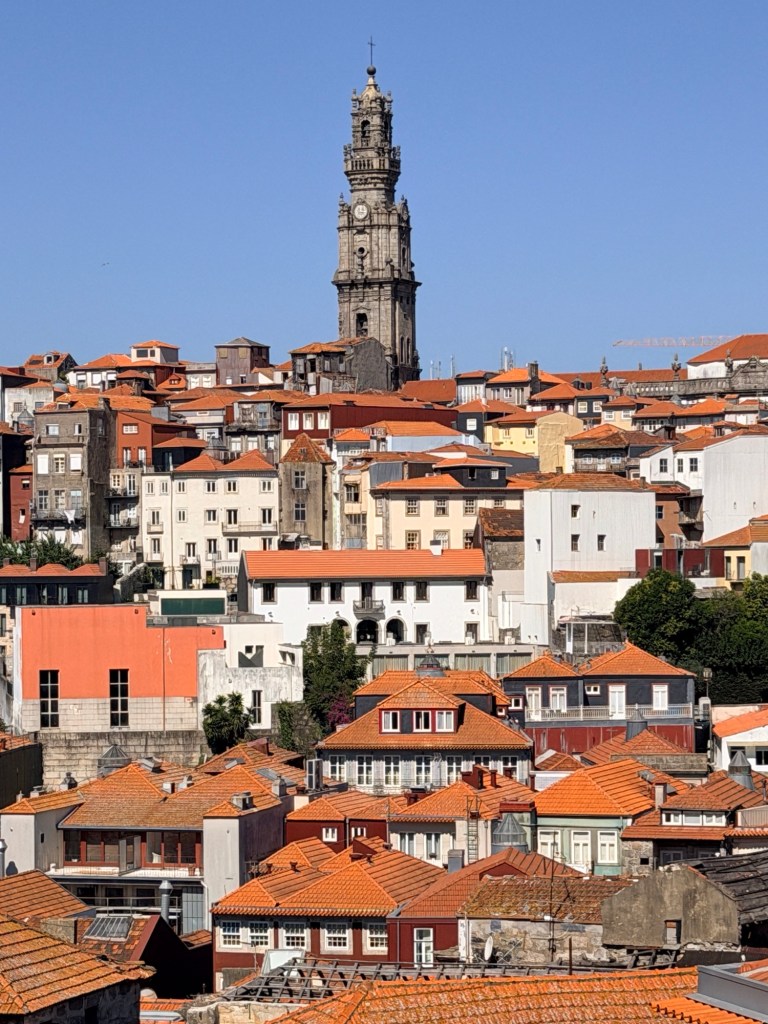
My first impression was the colour of the city is more neutral and grey compared to the colourful Lisbon. This certainly gives an older feel to the city. The old city is very steep and narrow, climbing up from the River Duoro. Every path you take in any direction is a workout in the heat! The elderly neighbours where we are staying are extremely fit and agile and after navigating these steep steep hills you can see why. The river has numerous bridges, the famous Dom Luis I Bridge is the most striking.
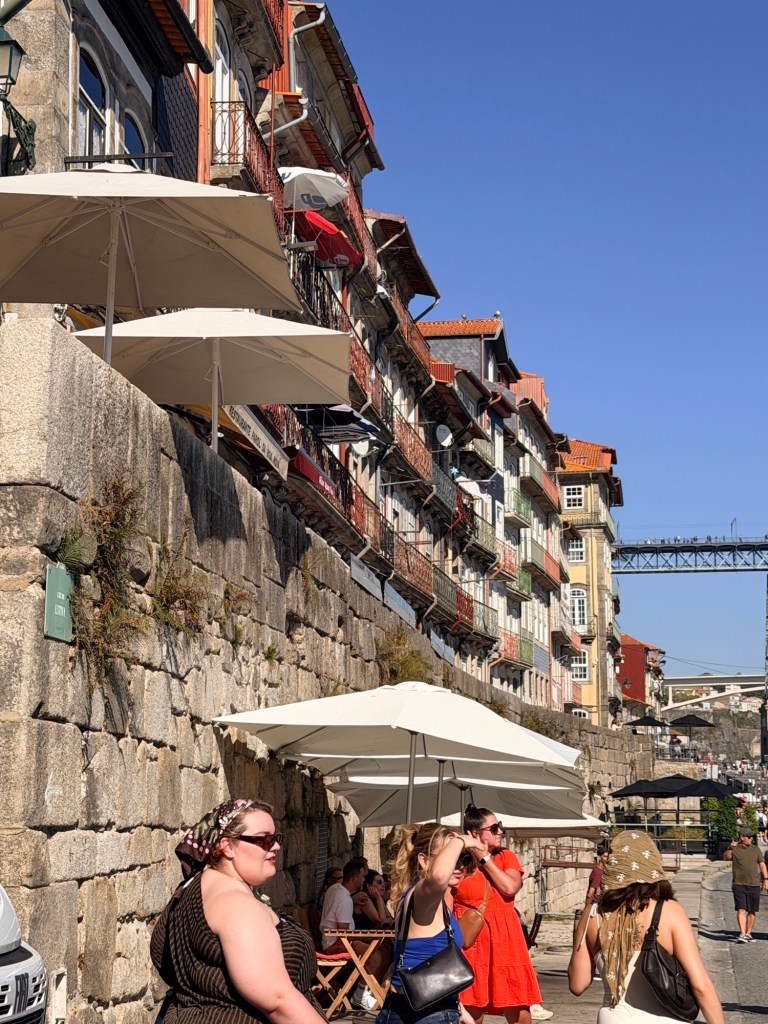
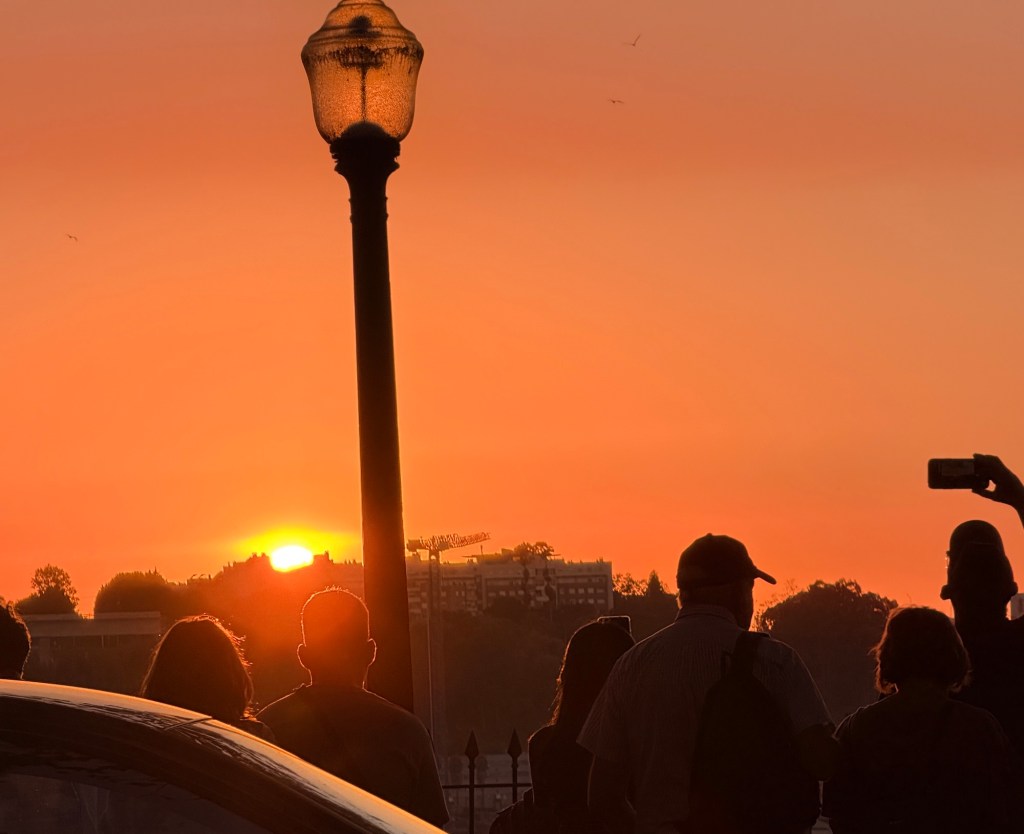
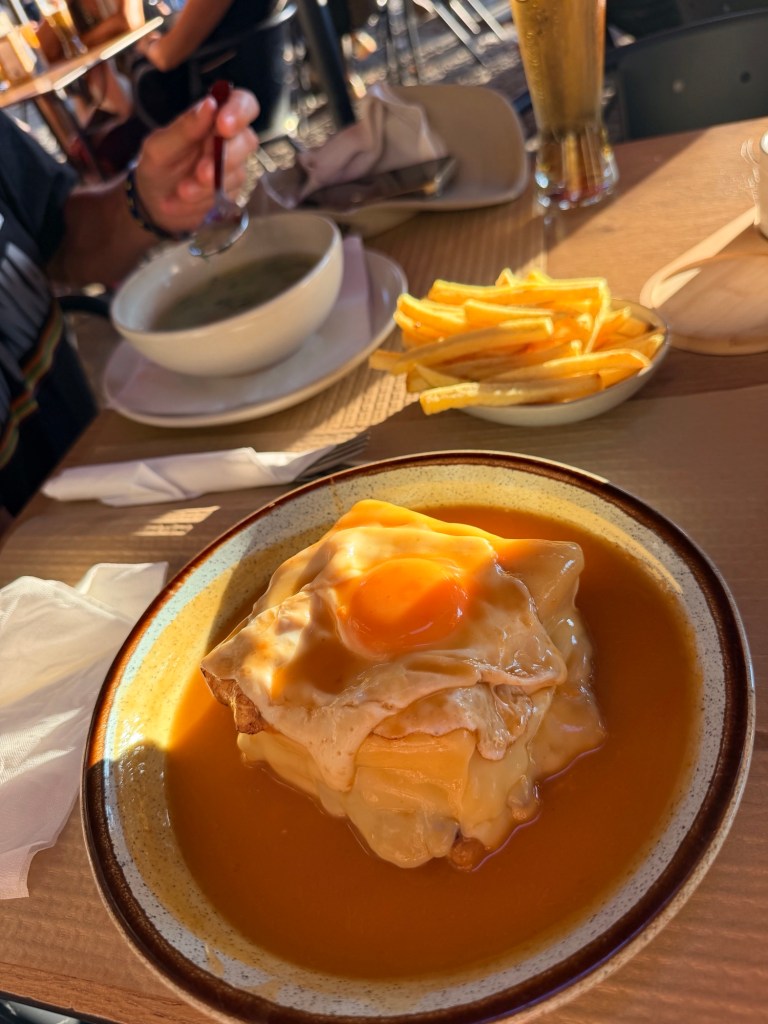
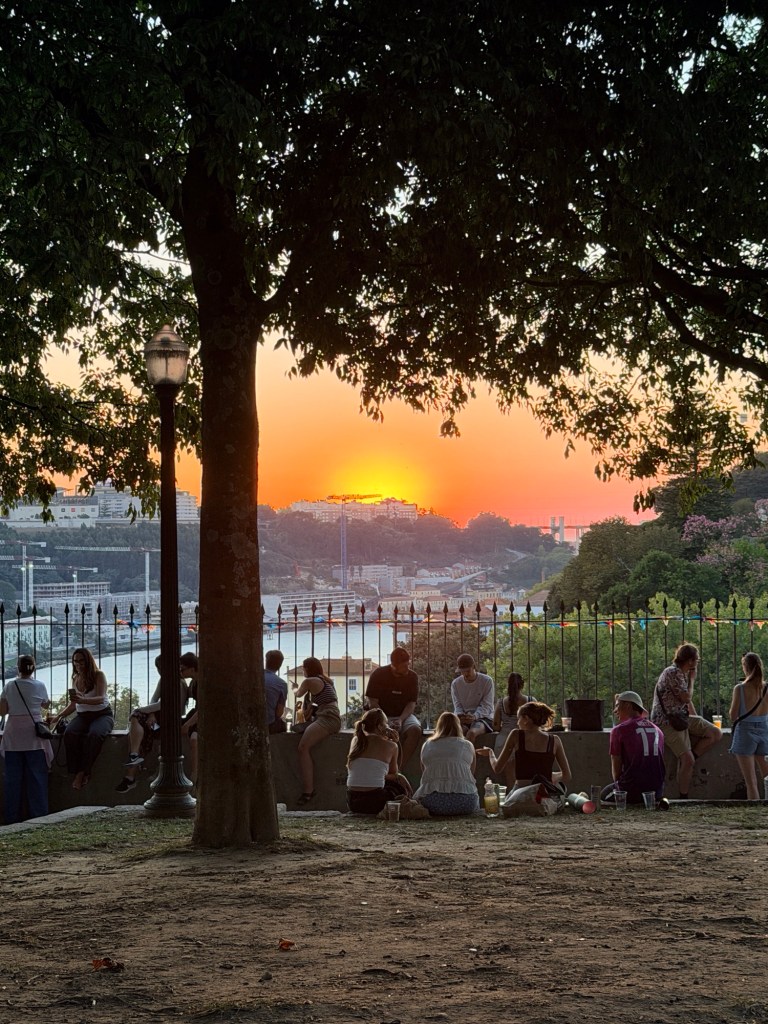
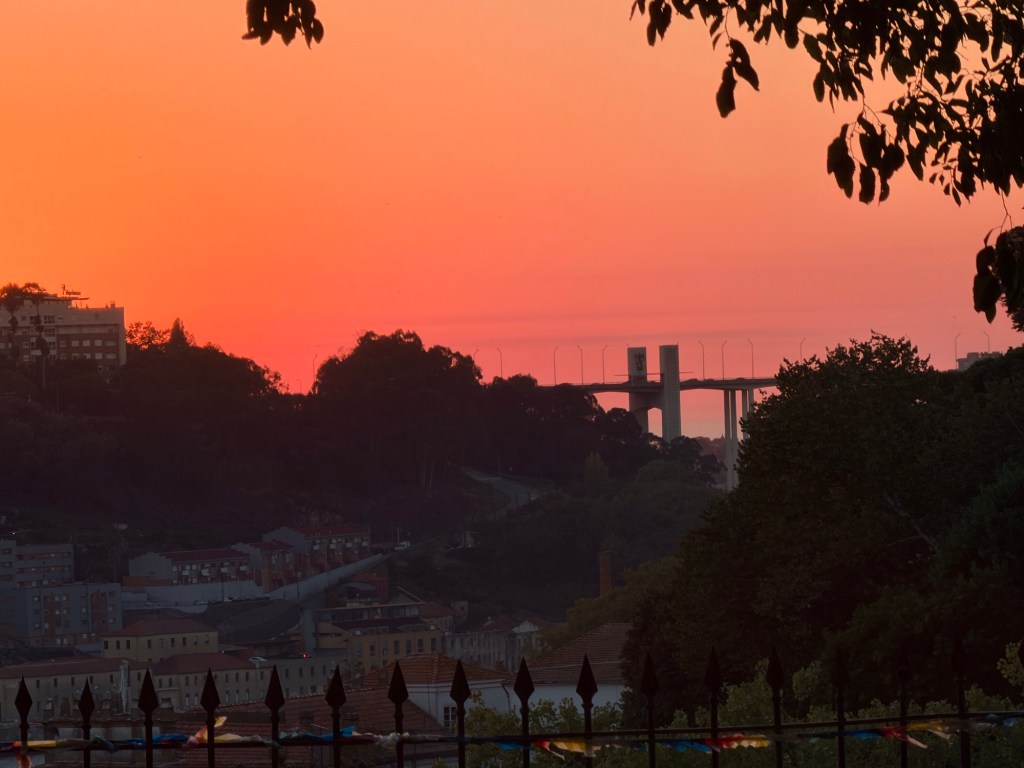
My travel agent Ruthie never disappoints and she had booked us an apartment close enough to the river one side and close to the cityside as well. We spent the afternoon getting our bearings before watching a beautiful sunset high up from the river. We sampled some more Vino Verde as well as the Caldo Verde soup and shared a Franceshini. This is a substantial Portuguese sandwich which is a heart attack waiting to happen! Toasted bread, steak and sausage, ham, melted cheese, a hot sauce, served with a fried egg on top. Oh, and a side of fries. Only half a heart attack for us!
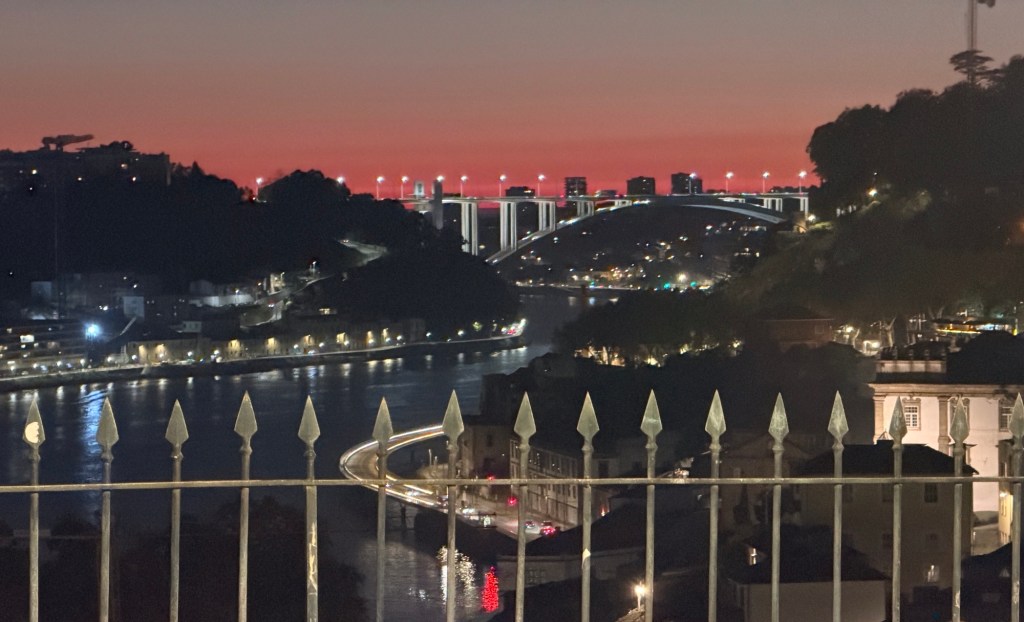
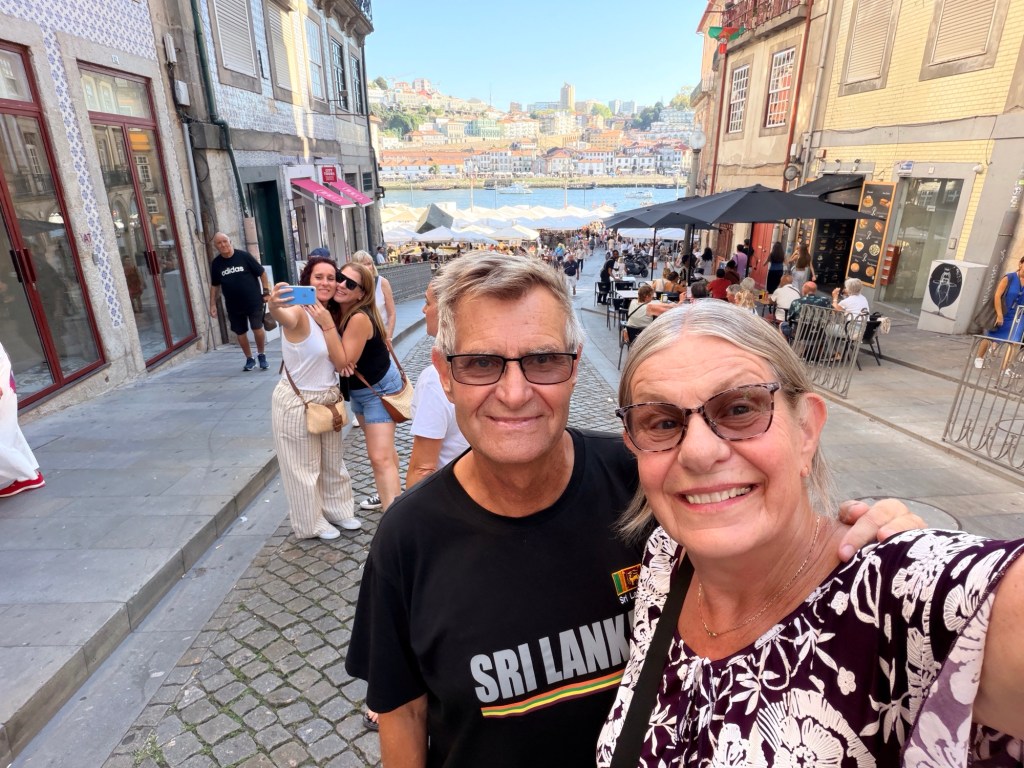
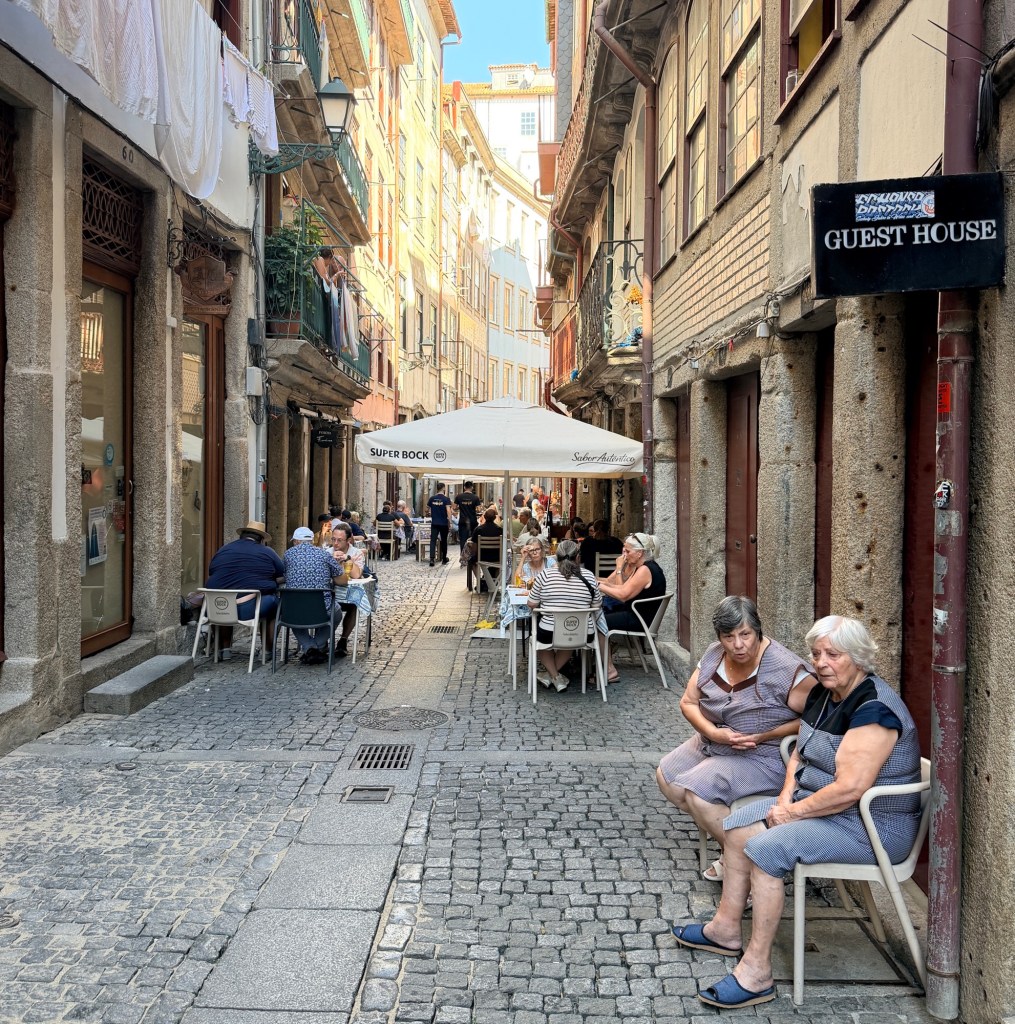
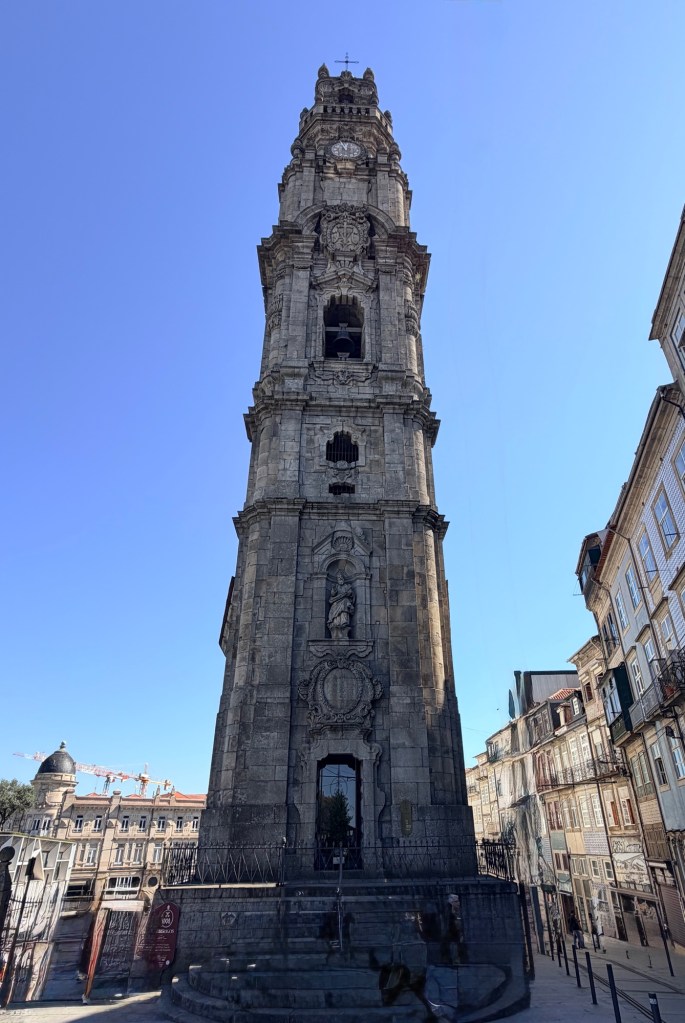
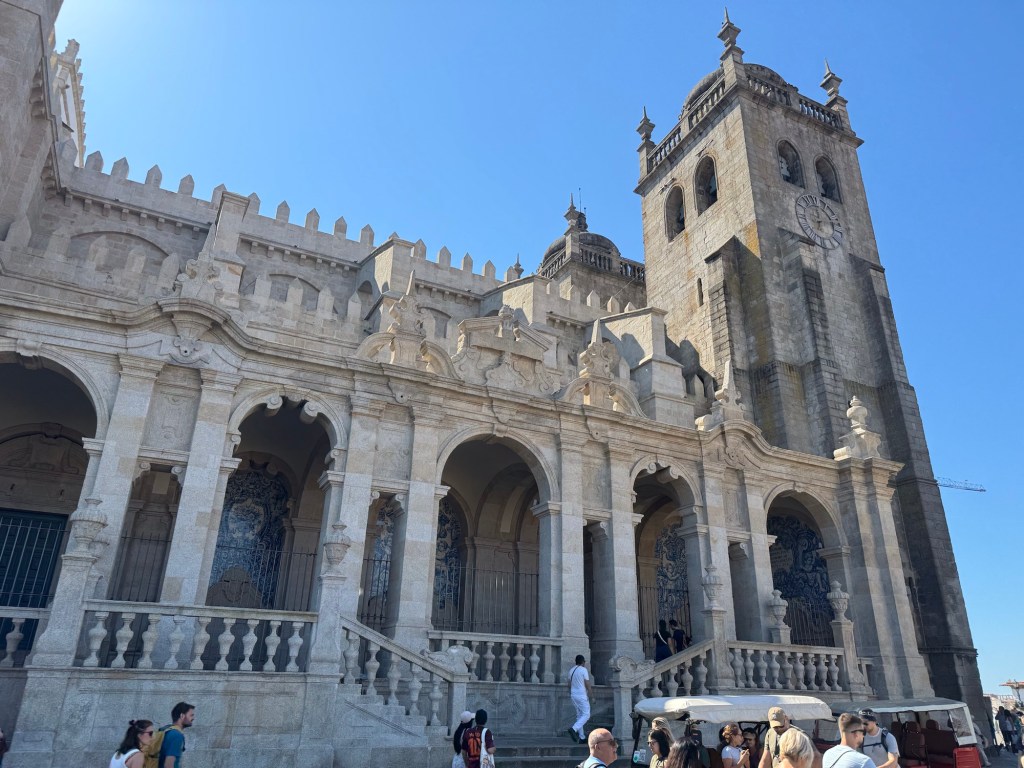
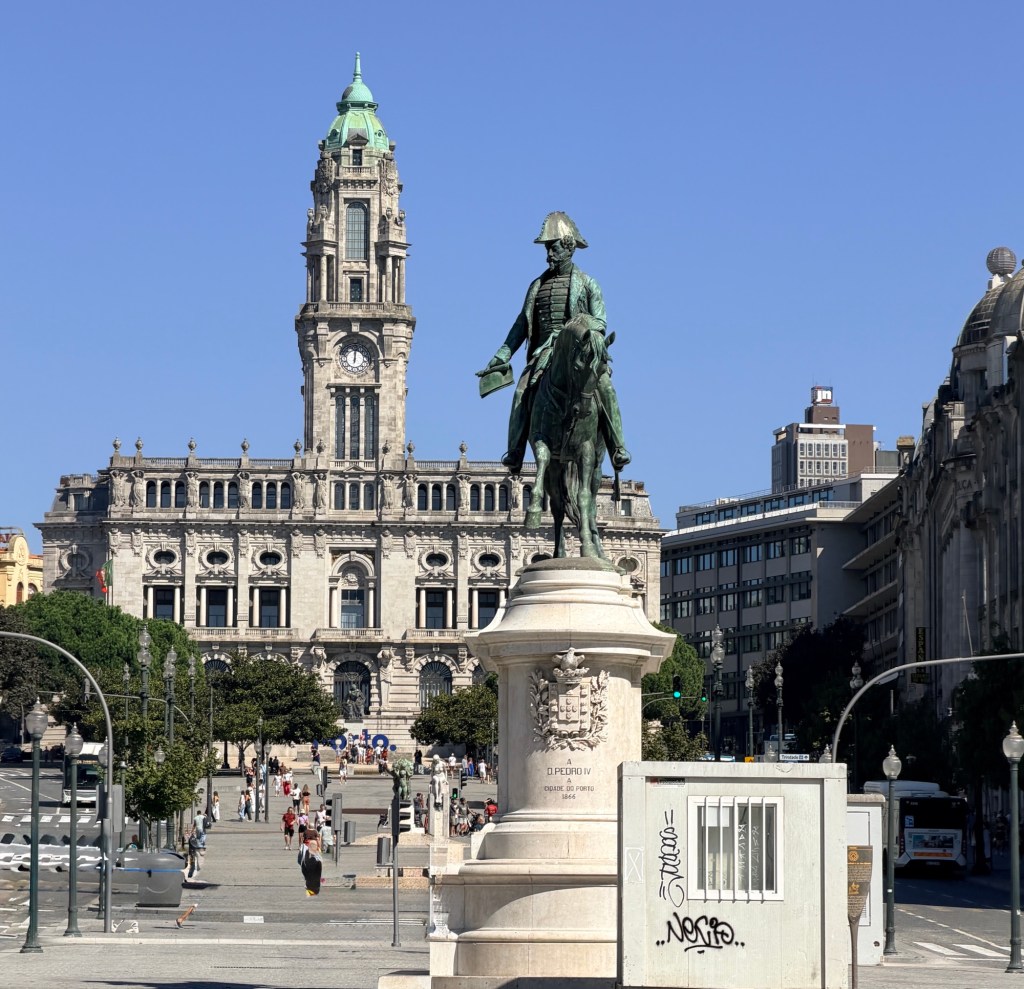
Being the weekend, the city was busy with tourists. Ruthie and I did our own walking tour where we managed to tick off many of the city highlights. The medieval streets climb up from the Douro toward the Cathedral, reflecting the city’s development on the hills above the river.
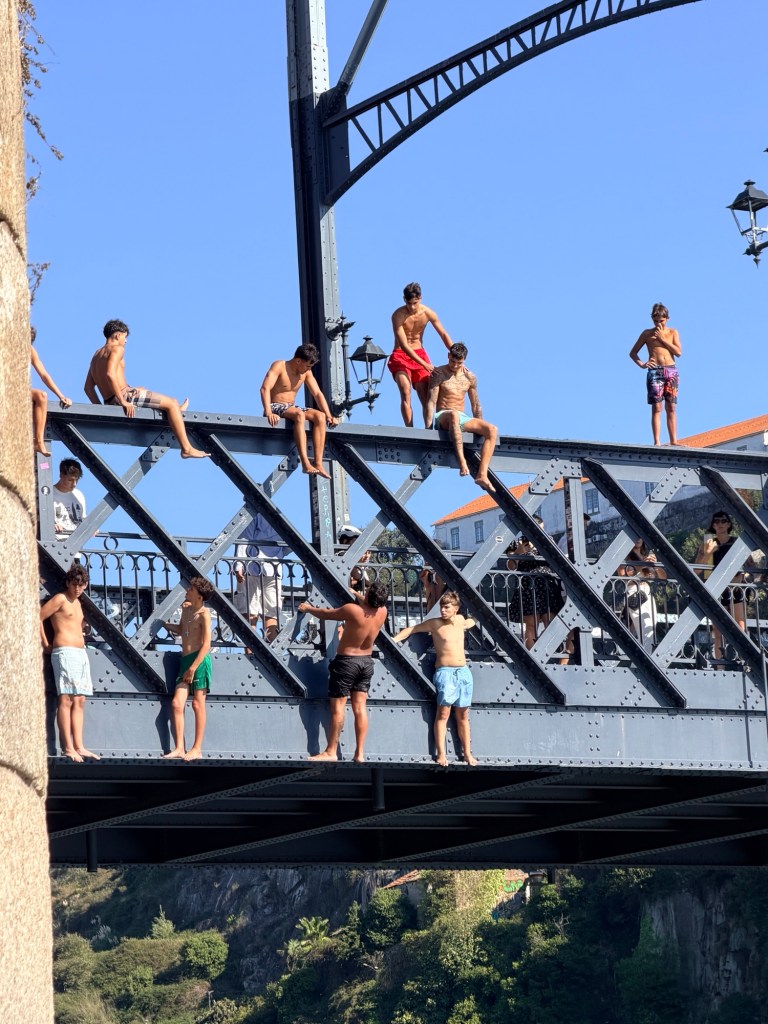
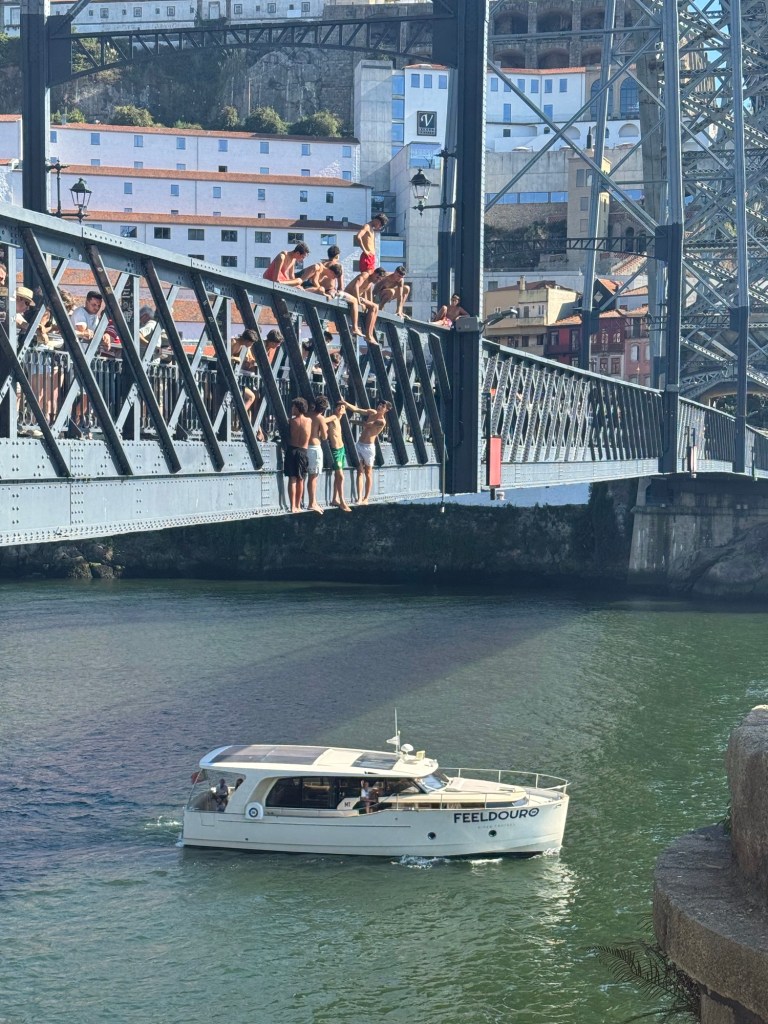
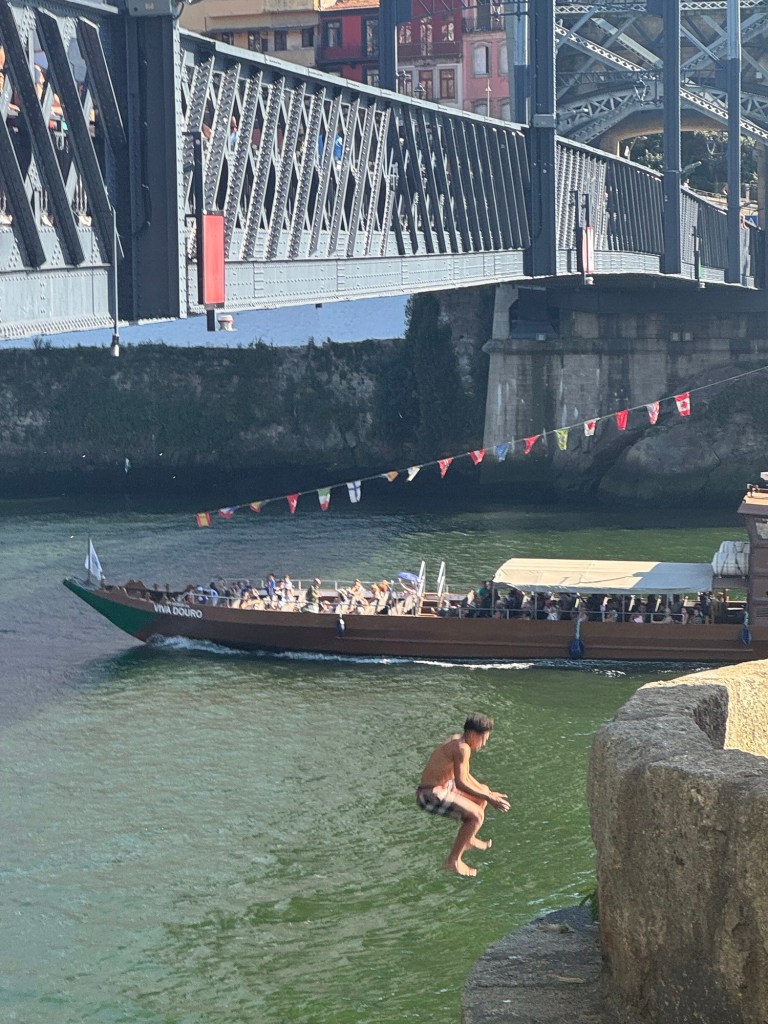
After all that walking, it was time to be rewarded with some port wine tasting. We crossed the Dom Luis Bridge where the local youth were jumping off the lower level of the bridge into the river and being collected by jet skies. They seemed to be playing chicken with the boats sailing beneath them. This would be quickly stopped in Melbourne but these kids were relishing the attention. Everyone had their phone up and filming.
Vila Nova de Gaia is the side of the river where many of the port wine cellars were established in the 17th and 18th centuries. The wines produced in the Douro Valley would be stored here ready to be loaded onto the trading ships. Today the cellars, many in caves, still operate and allow tourists to sample some of Portugals finest. Ruthie and I did just that.
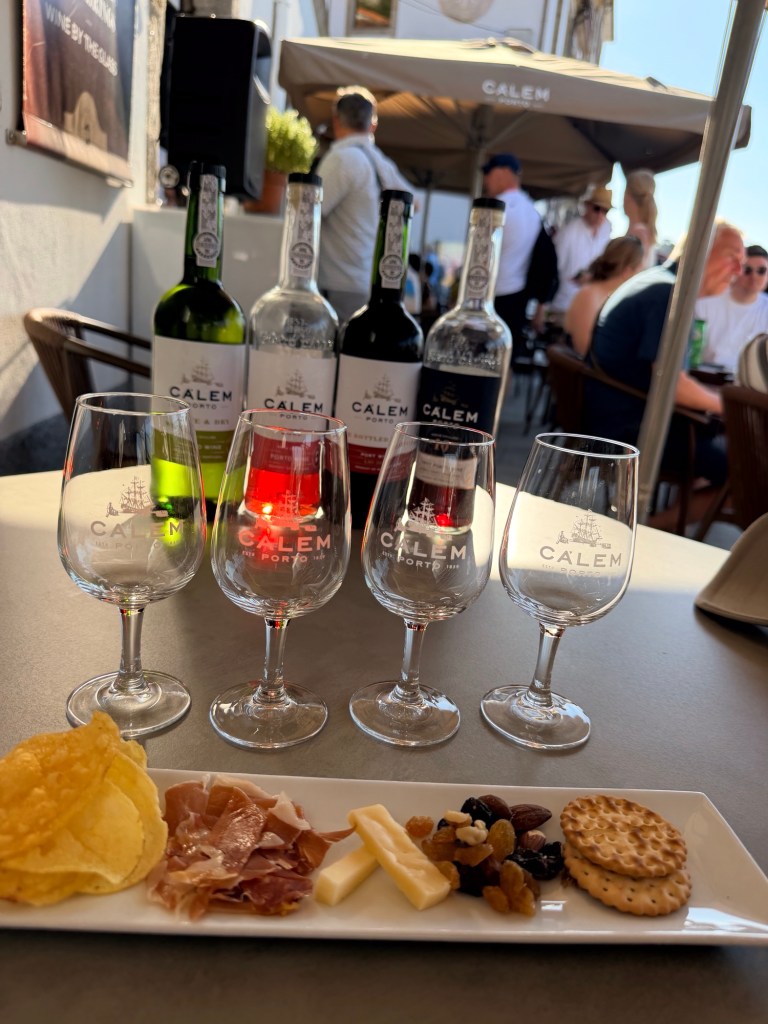
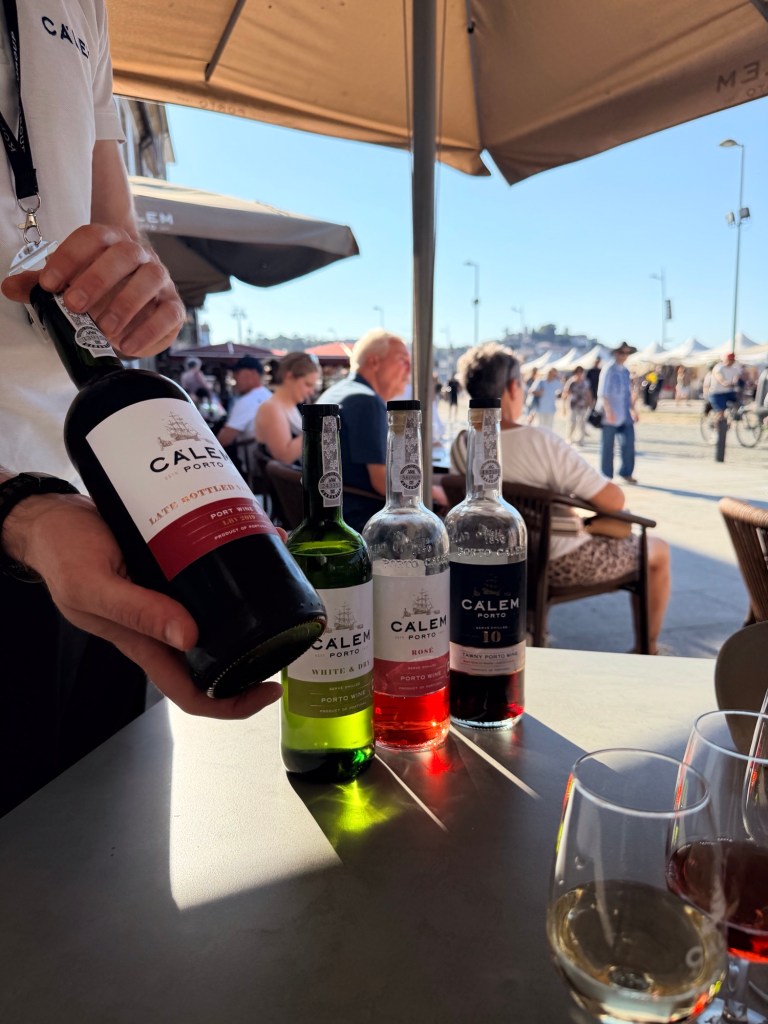
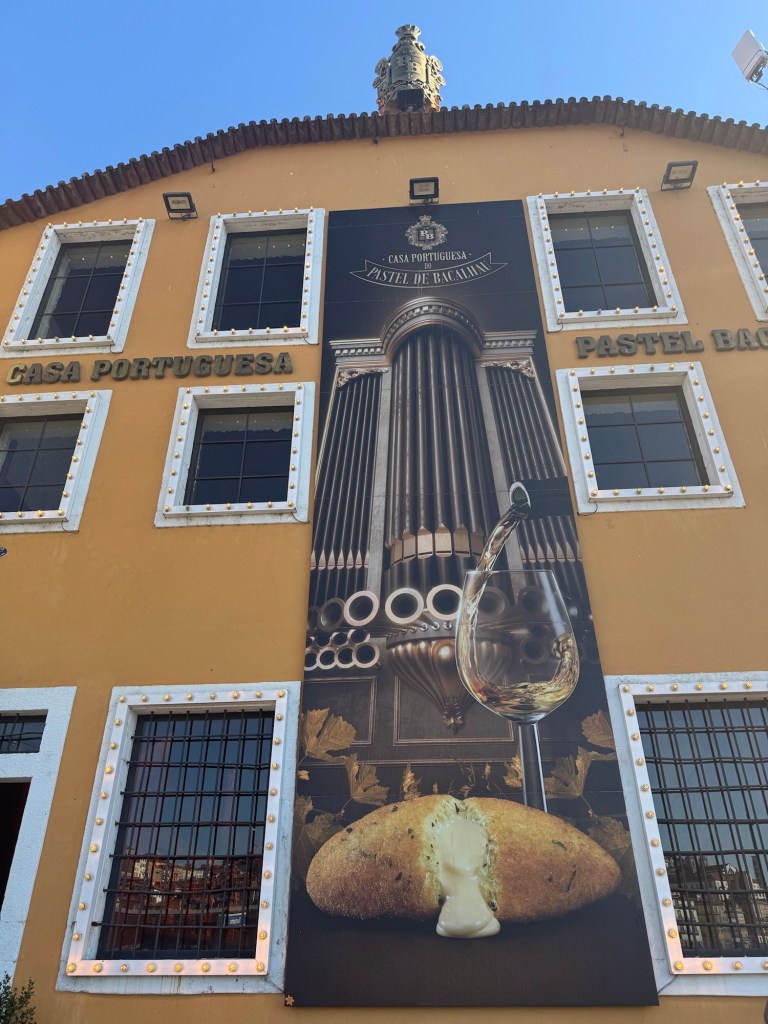
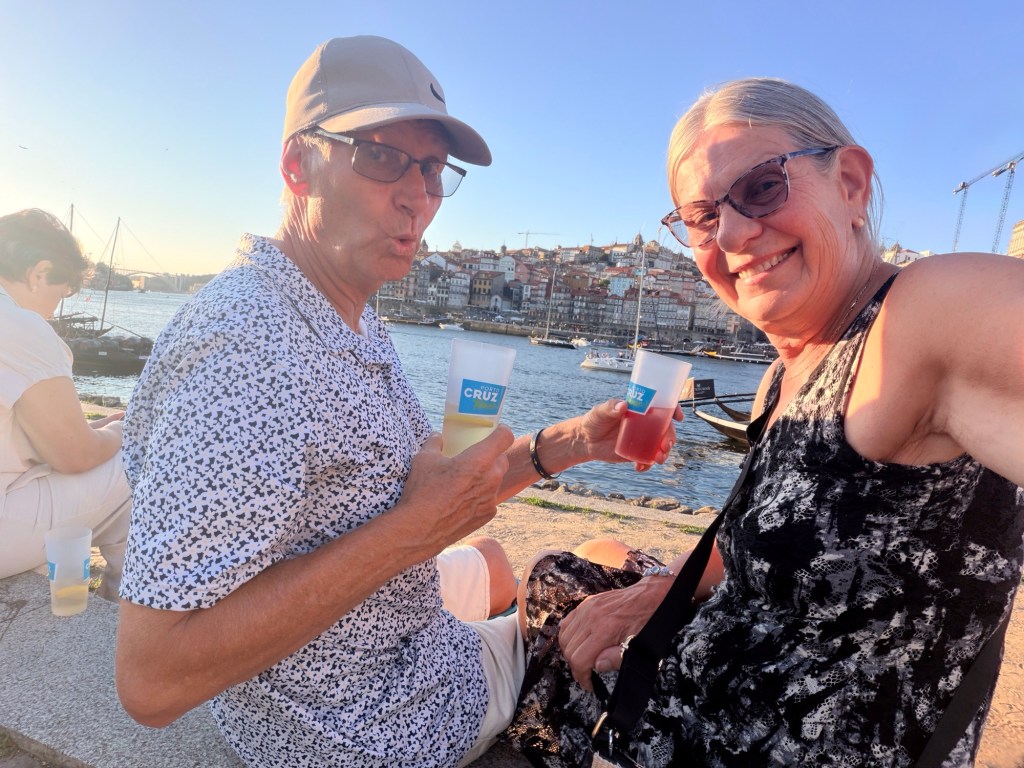
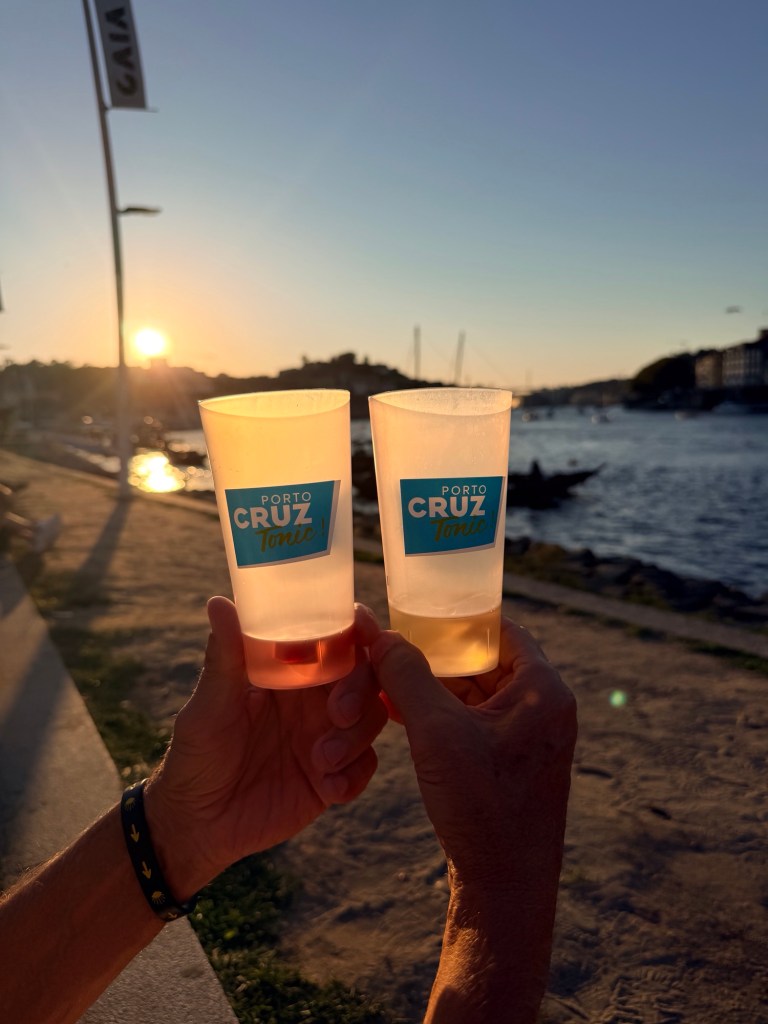
It was a beautiful night along the river before Ruthie and I again crossed the bridge. We took the opportunity to sample a burger from Holly Burgers which had been recommended to us. It did not disappoint. Ruthie and I shared a burger as well as a caesar salad and were full to the brim.
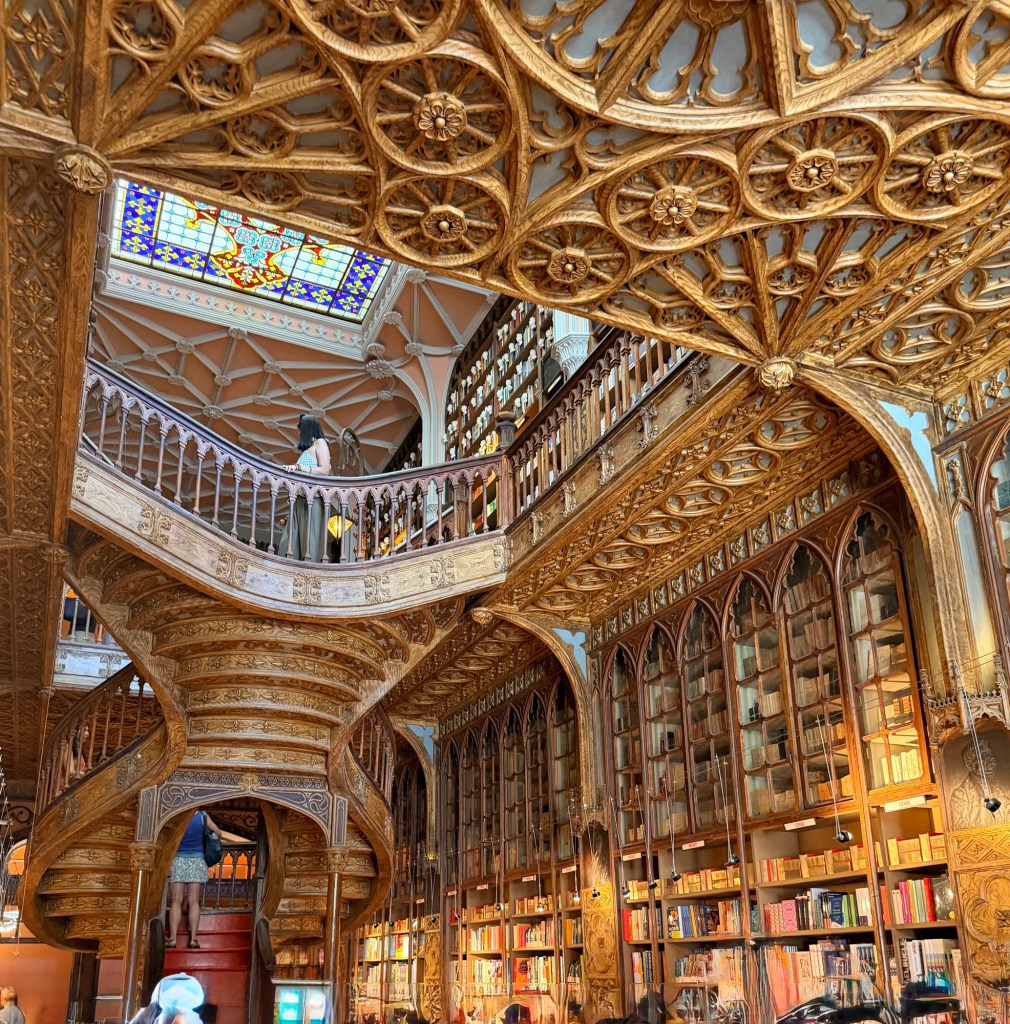
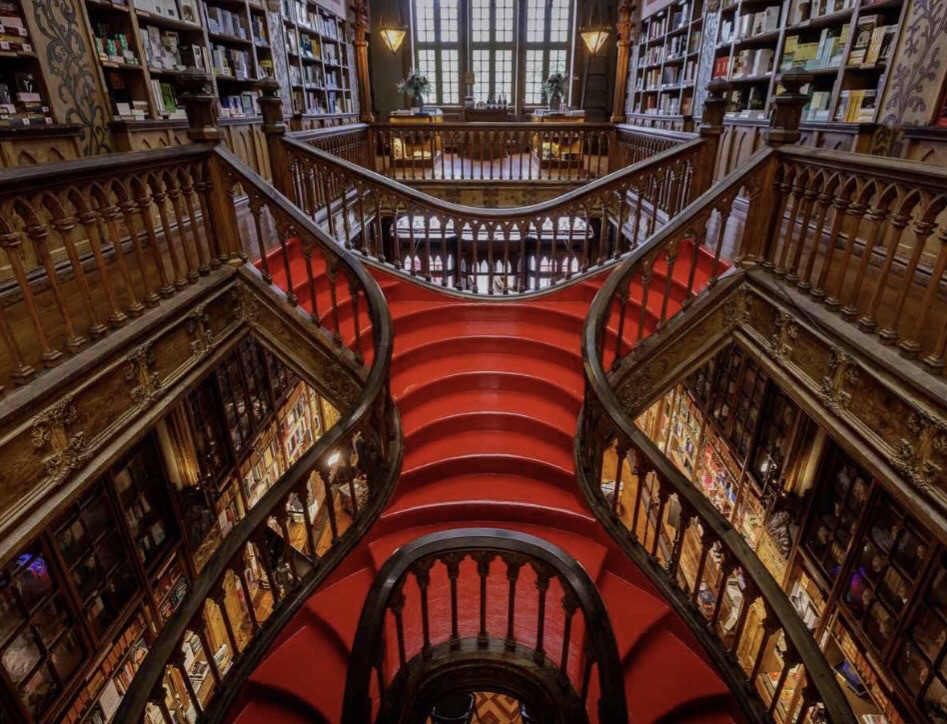
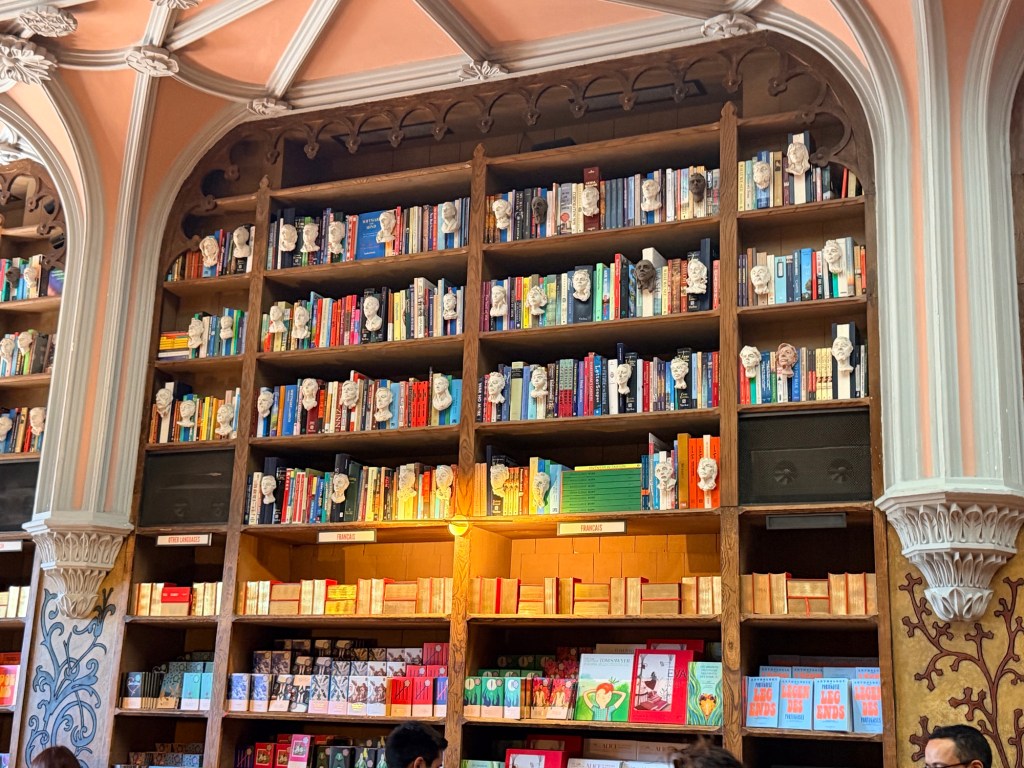
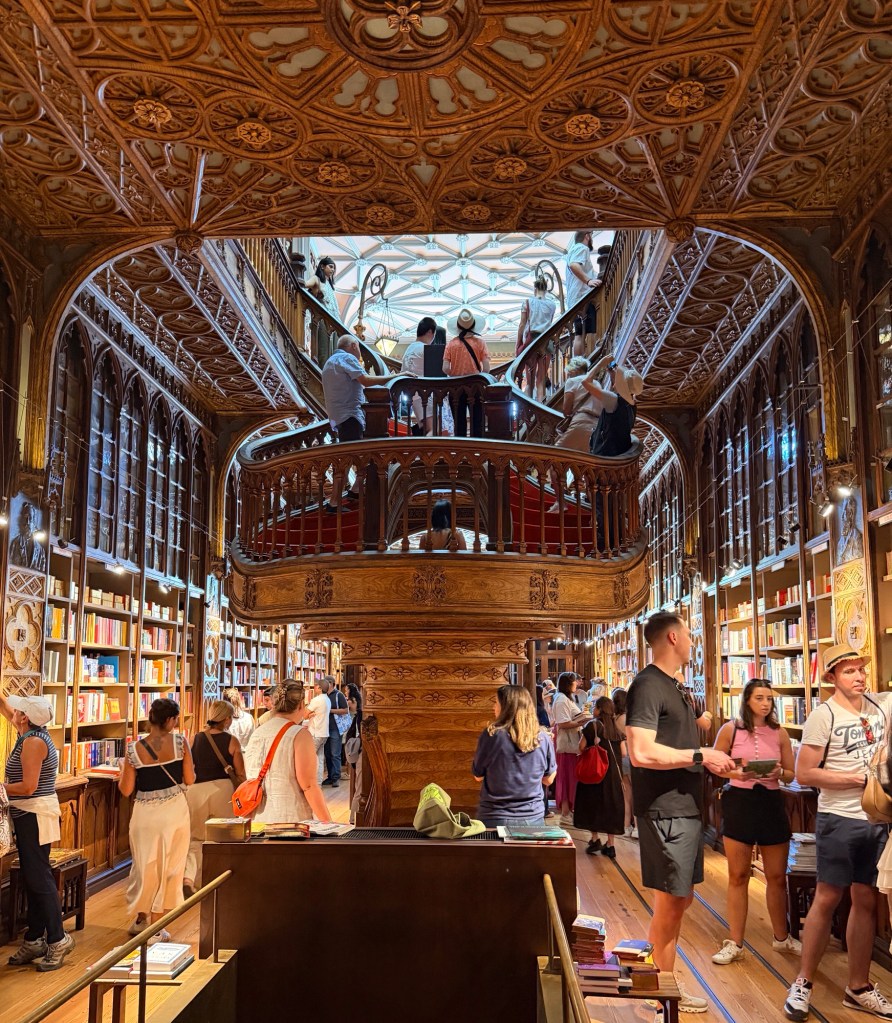
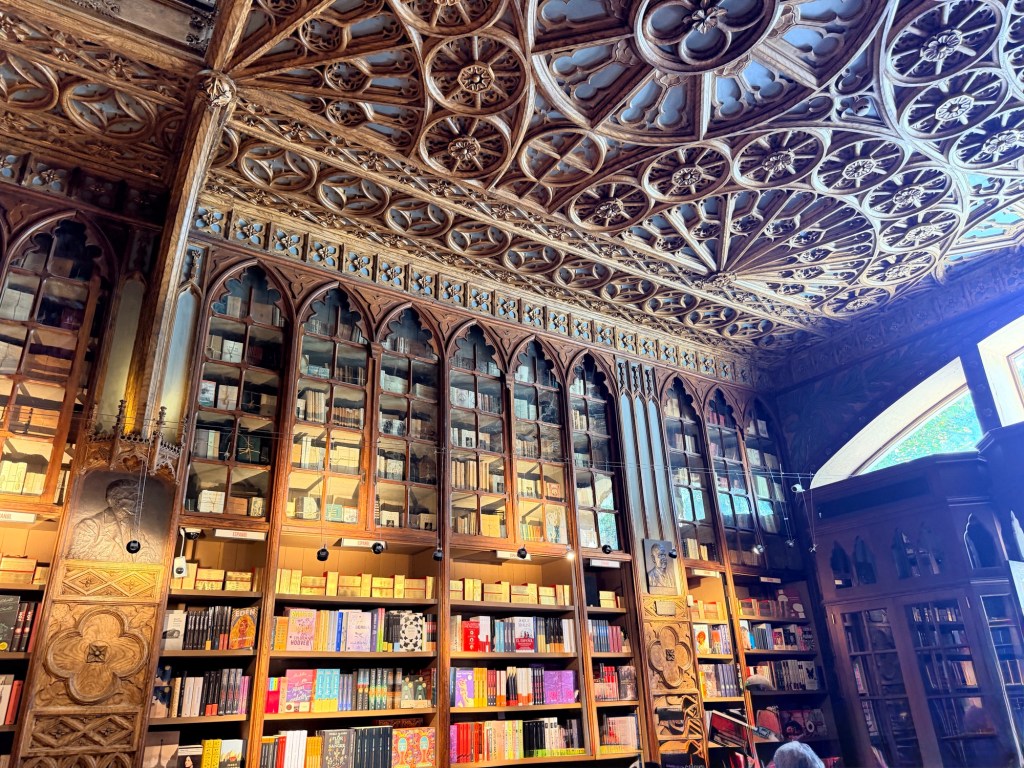
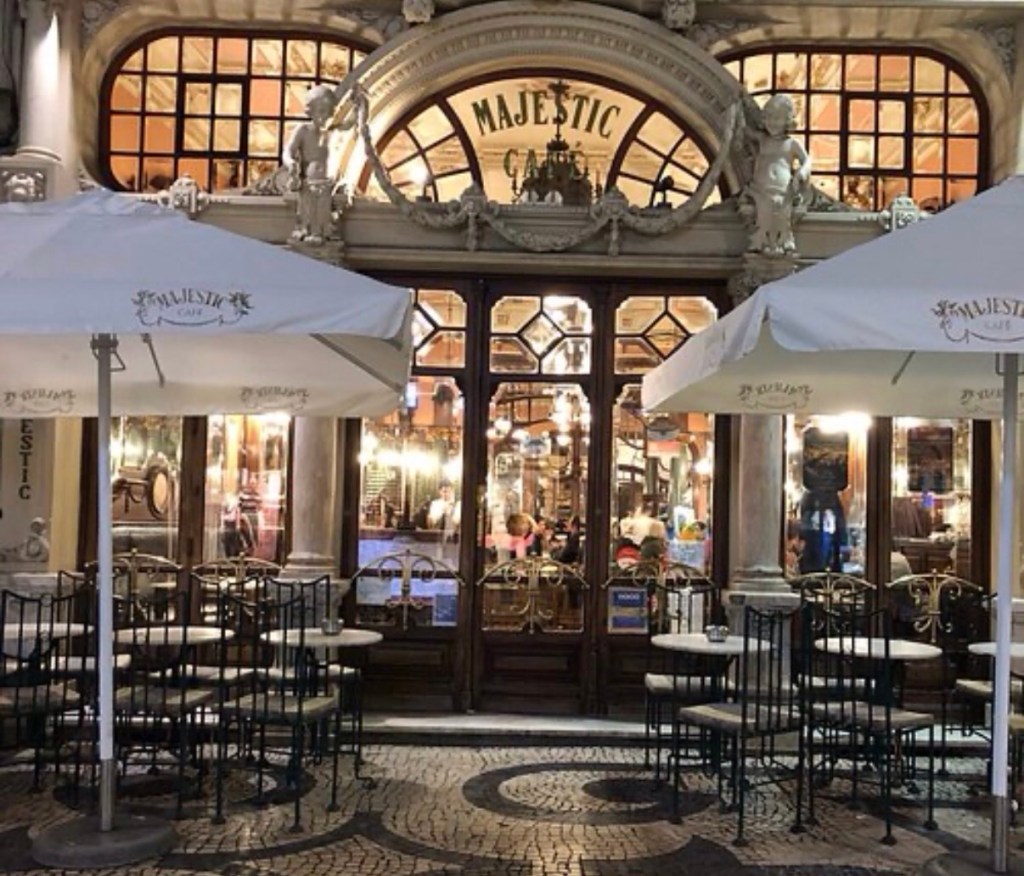
This city also has a Harry Potter connection. It is said (without proof) that the most beautiful book shop in the world, Livrario Lello was the inspiration for JK Rowlings novels. She did definitely write at the Majestic Cafe while living in Porto and has said “it is the most beautiful cafe” she’s ever written in. Ruthie booked a timed visit to the book shop and her entrance ticket price could be used to buy a book. She reported back that the book shop was indeed beautiful. We tried for a coffee at the cafe but weren’t prepared to line up so will have to take JK Rowlings word for it!
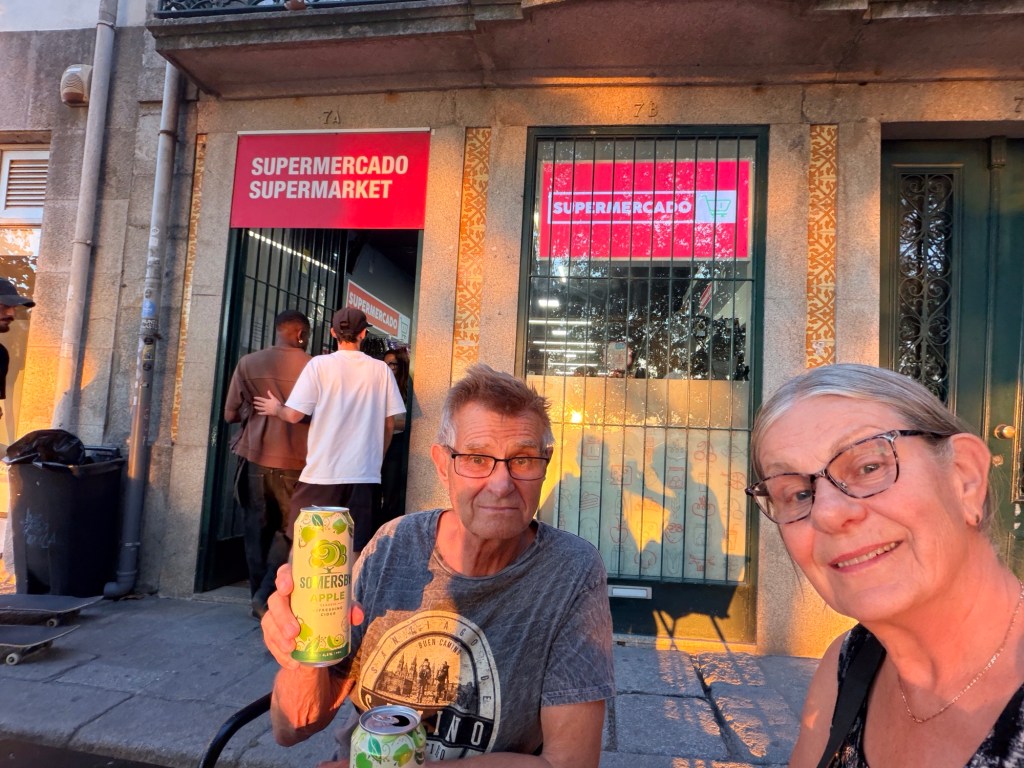
In the evening we strolled up the hill to our favourite little Taverna to watch the sunset but there were no seats available. Fortunately, the super mercado(minimart) just a few doors down sold cold bottles of wine, food, provided a corkscrew (wine bottles here still use corks as its a large industry here not only for wine corks but handbags, bracelets etc) and they also provided glasses, a bottle opener hung from the door for the locals grabbing a beer on their way home and tables and chairs were provided out the front. While the aroma of weed wafted by, we shared a beautiful sunset with the backpackers. A memorable evening was had under the plane trees.
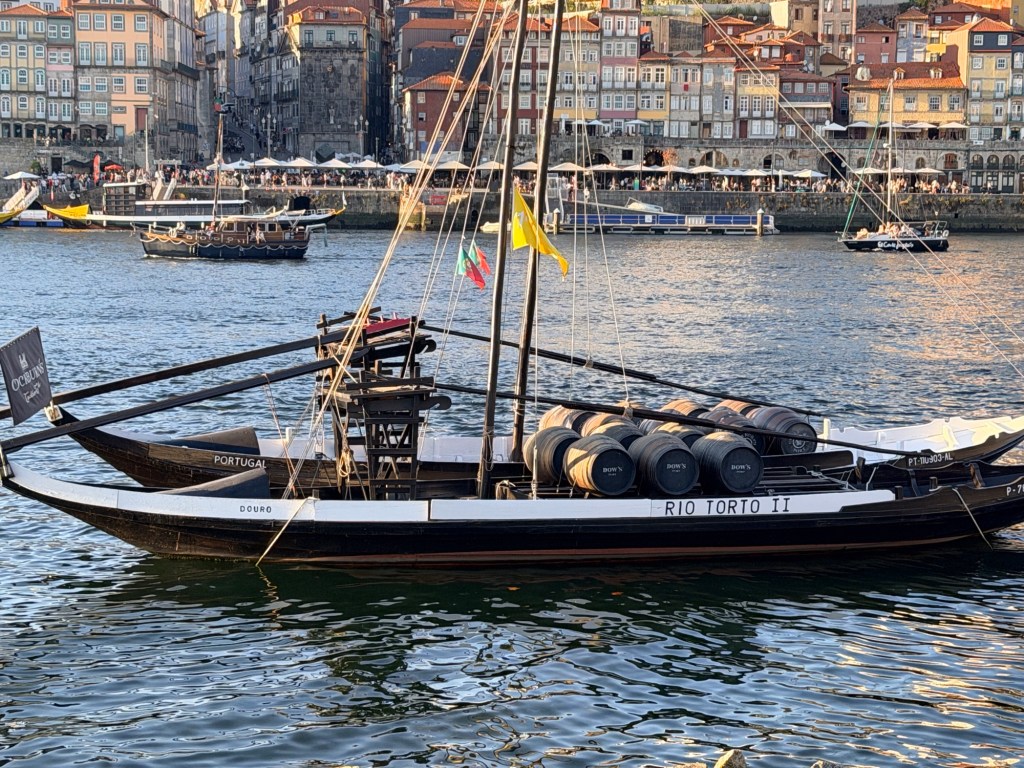
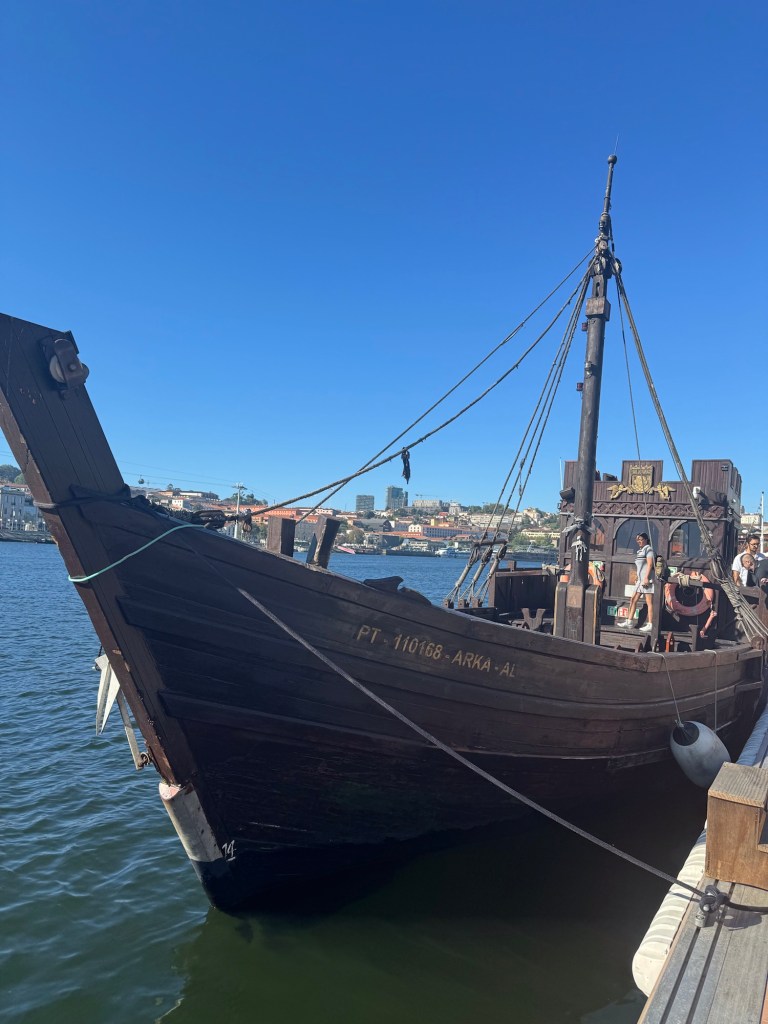
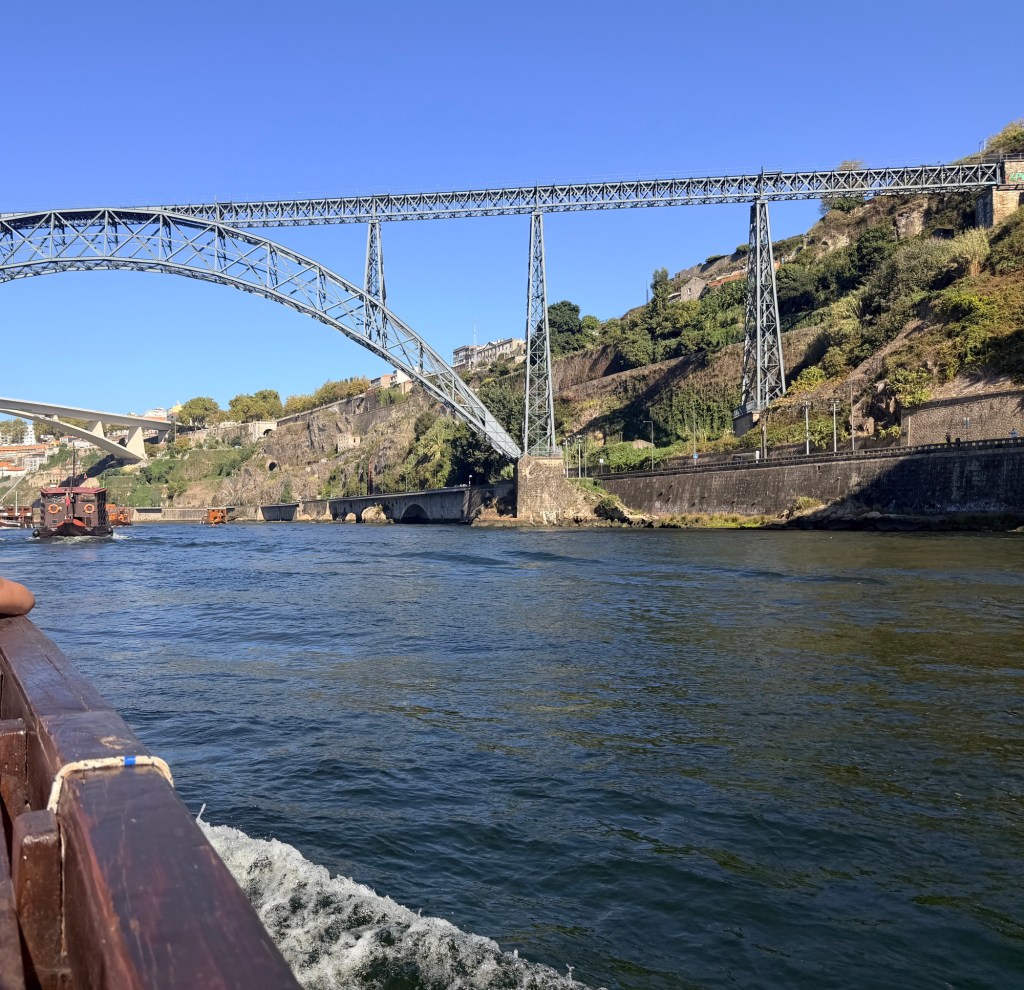
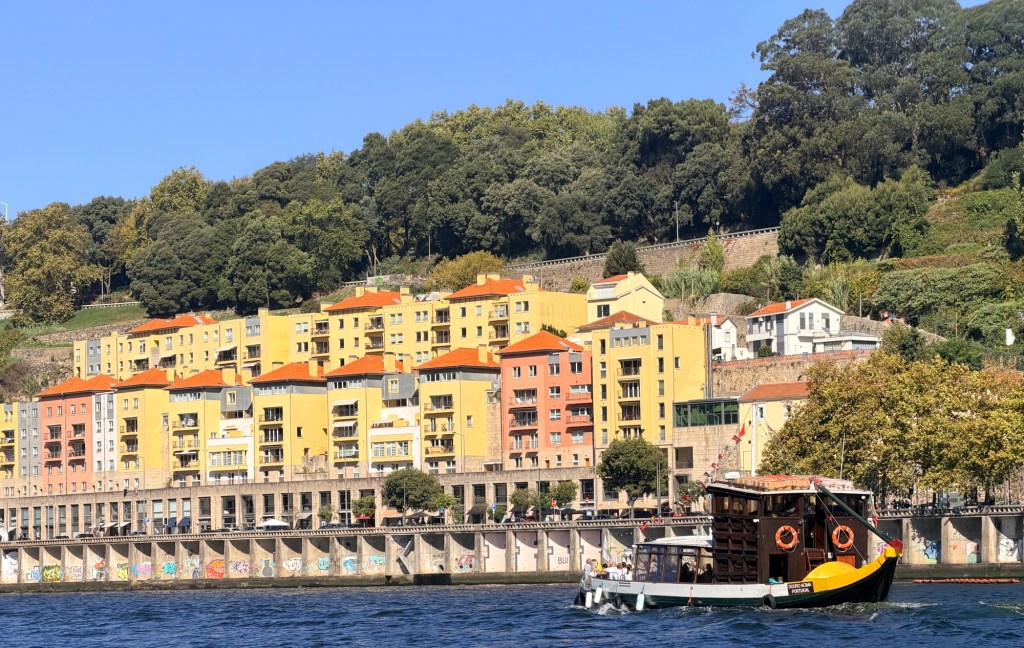
Today is our last day in Porto and in fact Europe. For our last view of the River Duoro, we took a six bridges tour on a Rabelo boat. The Rabelo is the traditional Portuguese boat associated with Porto’s Port wine trade. The buildings and cellars on either side of the river are certainly more colourful than in the city centre and the bridges across the river are wonderful architectural structures. It only takes an hour and the tour is certainly worth doing. Remember to take a hat and sunscreen as the Rabelos don’t have much cover.
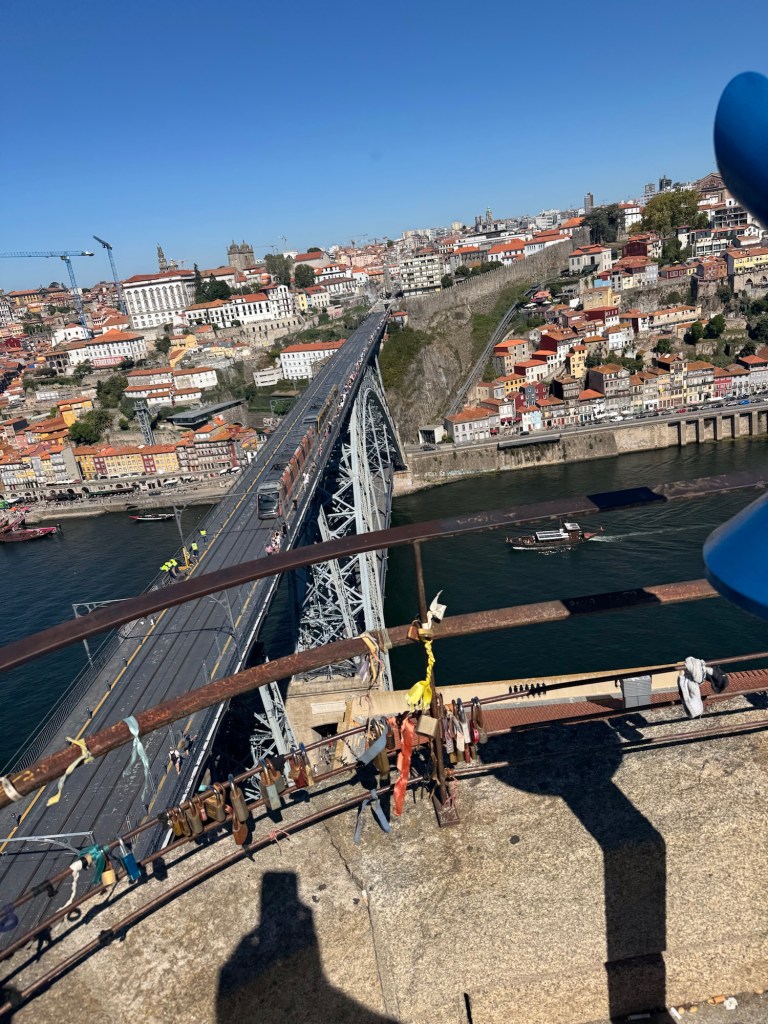
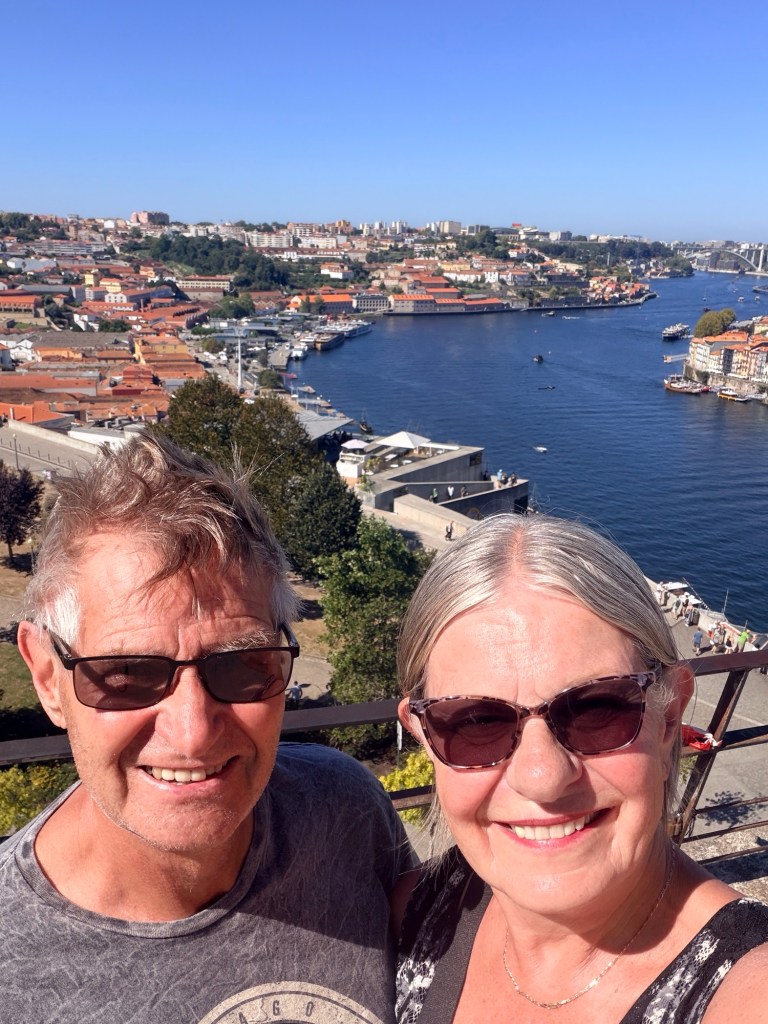
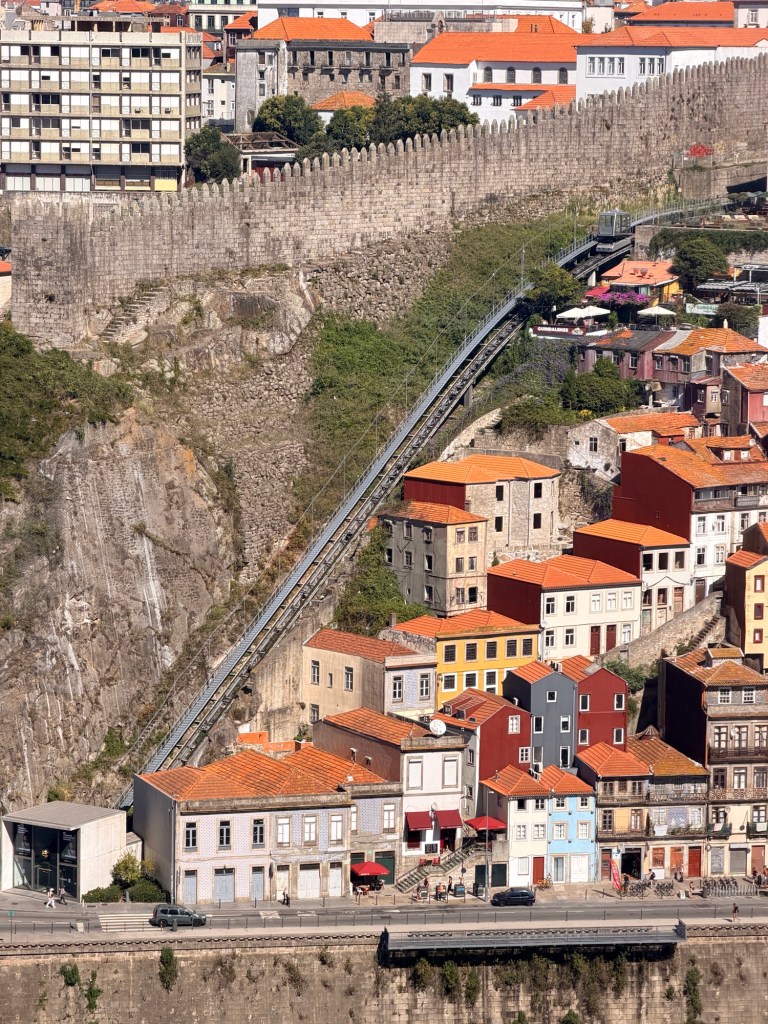
Ruthie and I then climbed up to a high point on the Vila Nova de Gaia side of the river for spectacular views from Jardim do Morro. We followed up by walking the higher platform across on the Dom Luis Bridge. Amazingly trams run across the bridge at this height as well.
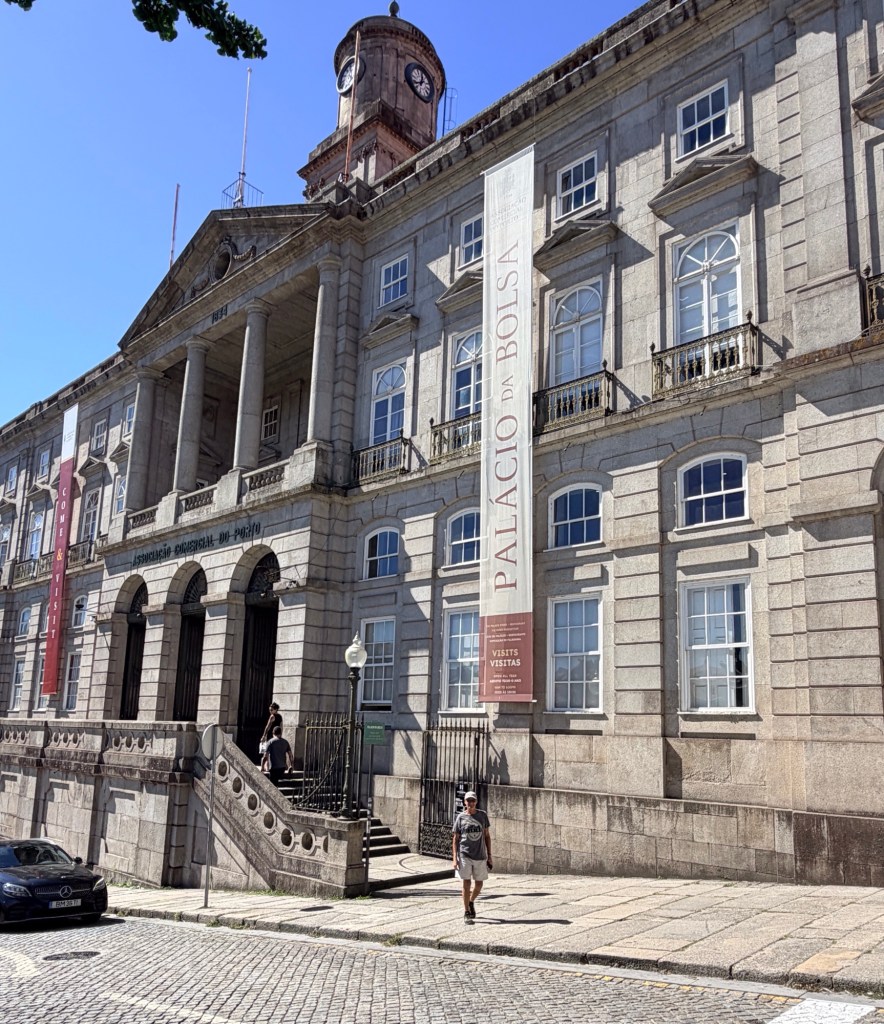
After crossing the bridge, there was one more site to visit. The stock exchange, the Palácio da Bolsa. No longer functioning as a stock exchange and built it the 19th century, it is one of Porto’s most impressive buildings. Unfortunately, we didn’t have the patience to join the queue unless we wanted to do the tour in French so it will have to wait until next time. The days of spontaneously booking an attraction are gone!
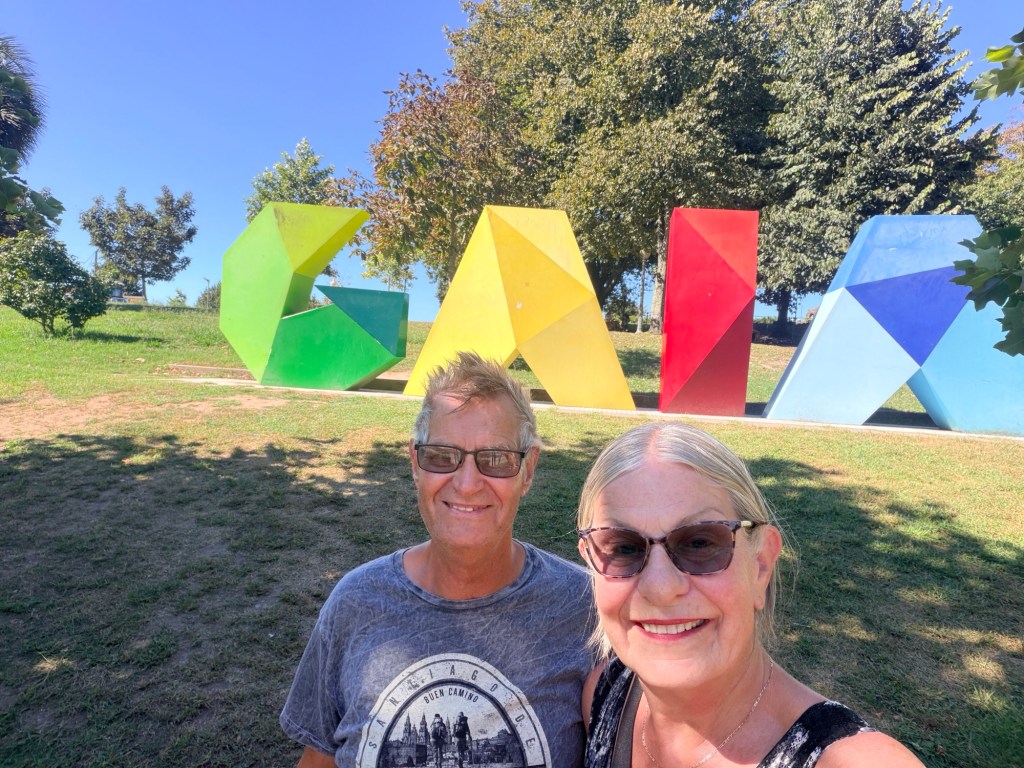
This is the end of our Europe travel before we start heading slowly closer to home. It has been an amazing 3 months. The things we have seen and done, the great people we have met and those we have travelled with on our tours. We’ve made memories that are going to last forever. The media only reports misery but the people you meet when travelling bring you joy and happiness.

