Immersive Italy Bus Tour
Day 7 Veneto, Lombardia, Region
The food speciality from this region is Risotto.
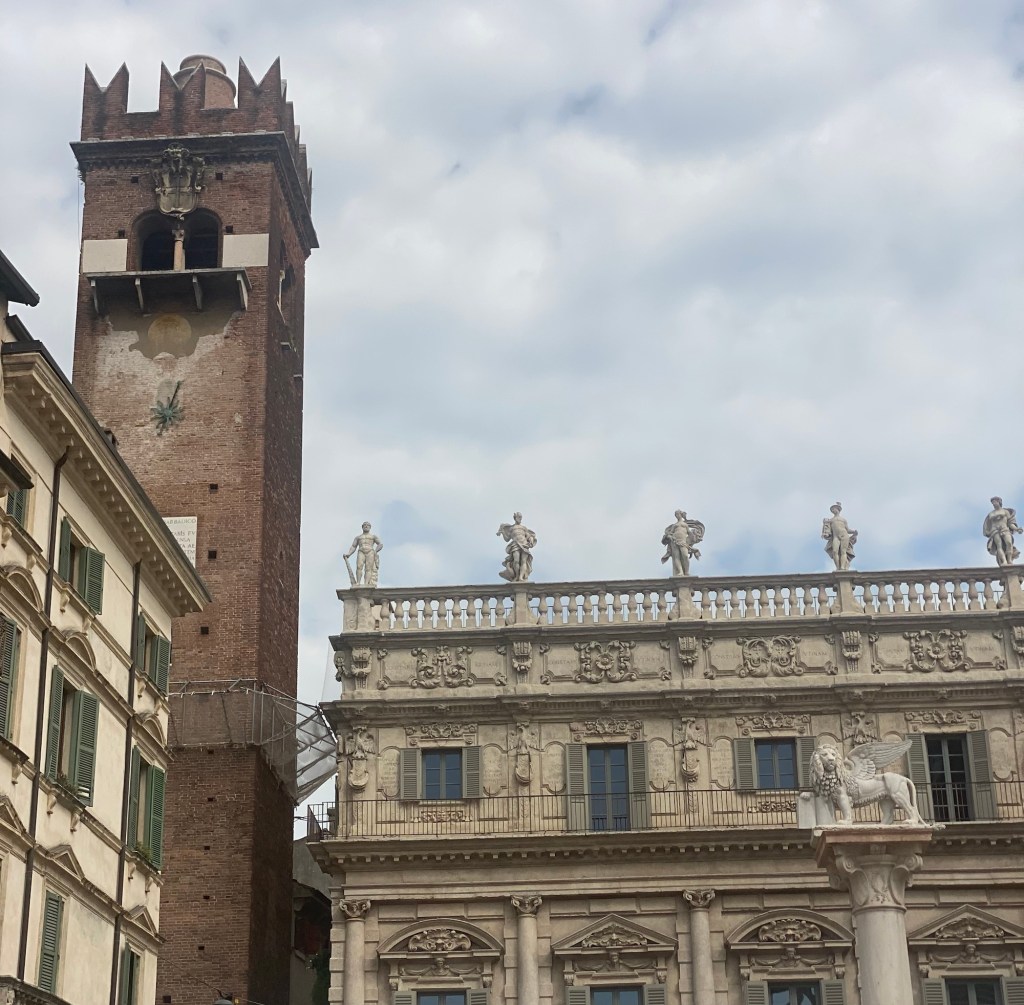
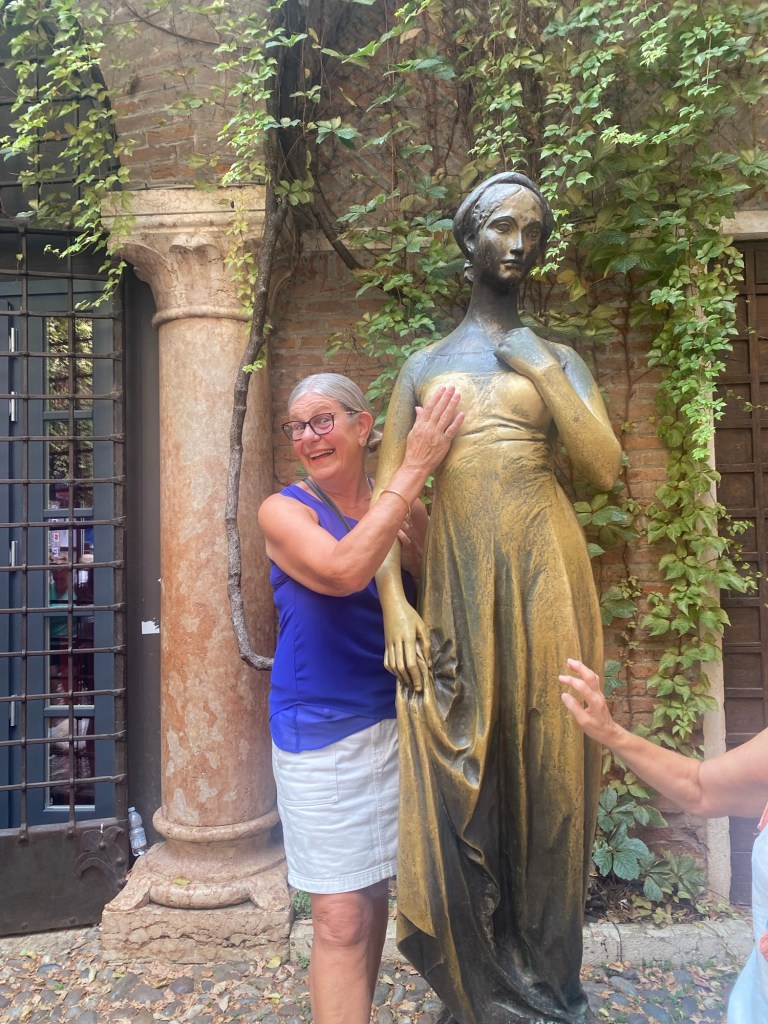
We’re in the north of Italy and have called into Verona, a city famous for Shakespeare’s setting of Romeo and Juliet. Wandering through the city you can perhaps understand why he selected this town.
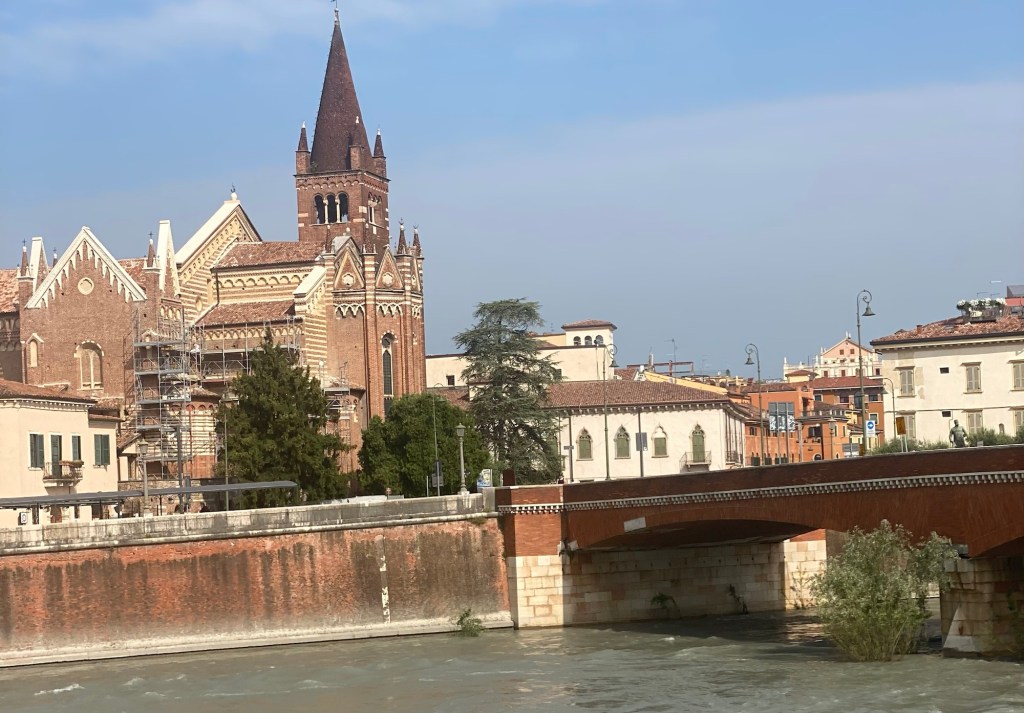
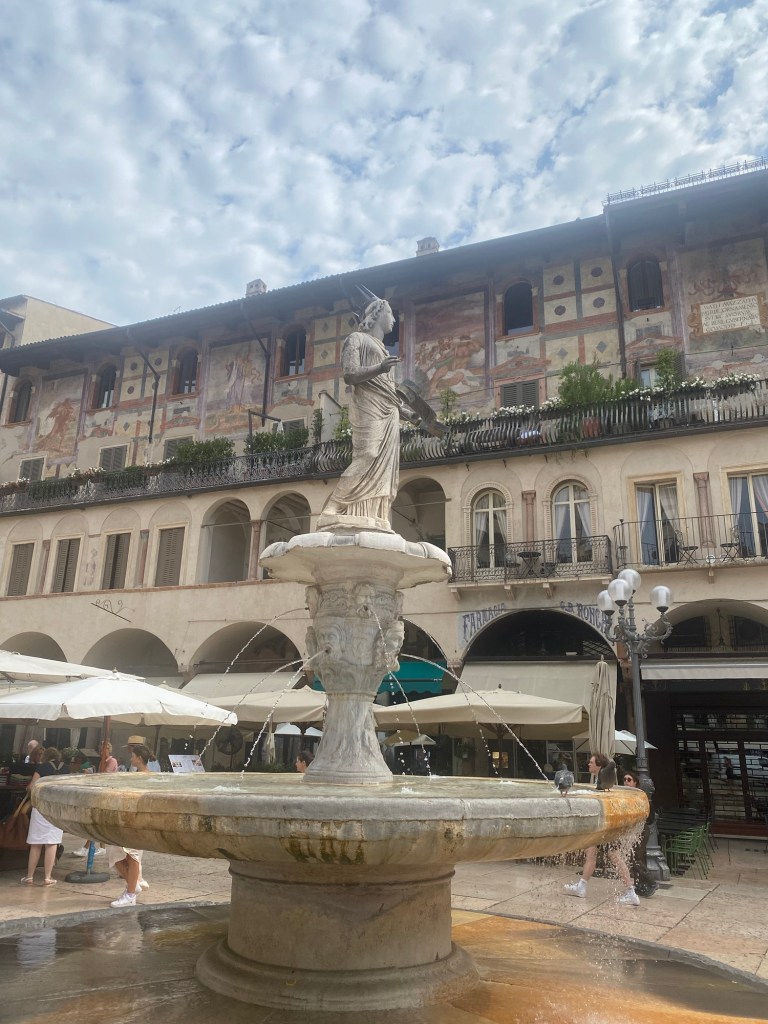
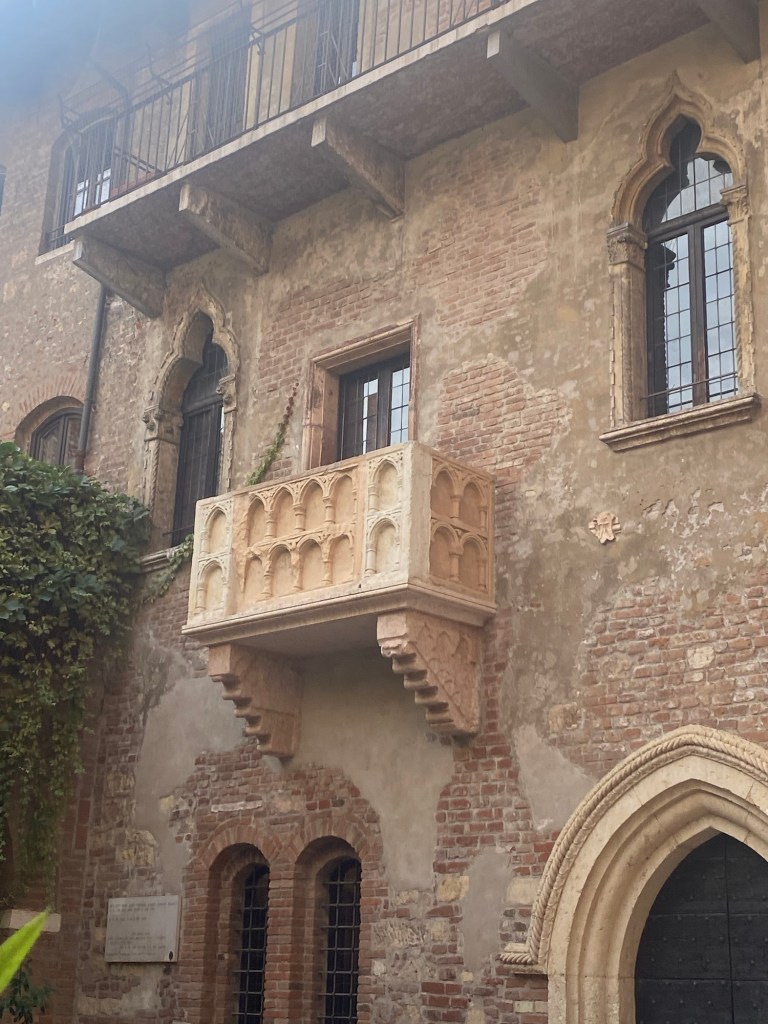
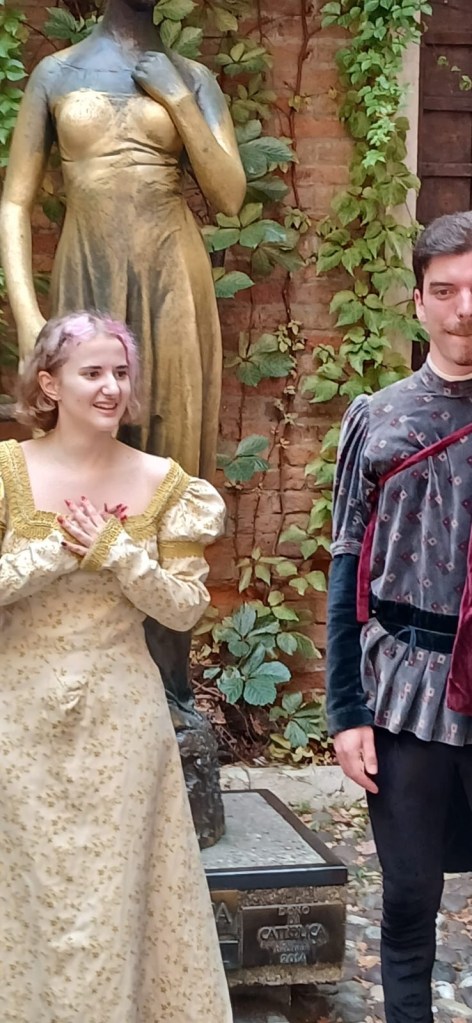
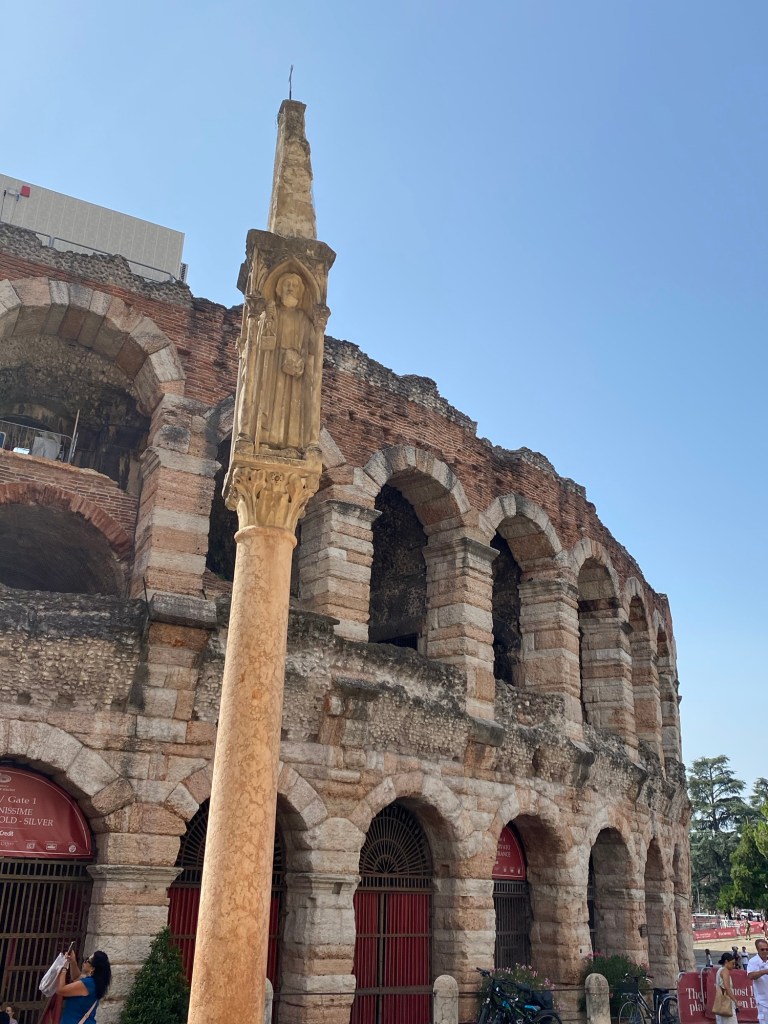
The river Adige flows through the city, it has a predecessor mini version of the Colosseum right bang smack in the centre of town, a beautiful piazza and a marble clad promenade now turned into shopping malls. Yes, everyone is trying to make a dollar but I’ve learnt Gucci in Milan is the same as Gucci in Verona and the Gucci family came from Florence. The main shopping difference is the souvenirs peculiar to the region, in this case Romeo and Juliet.
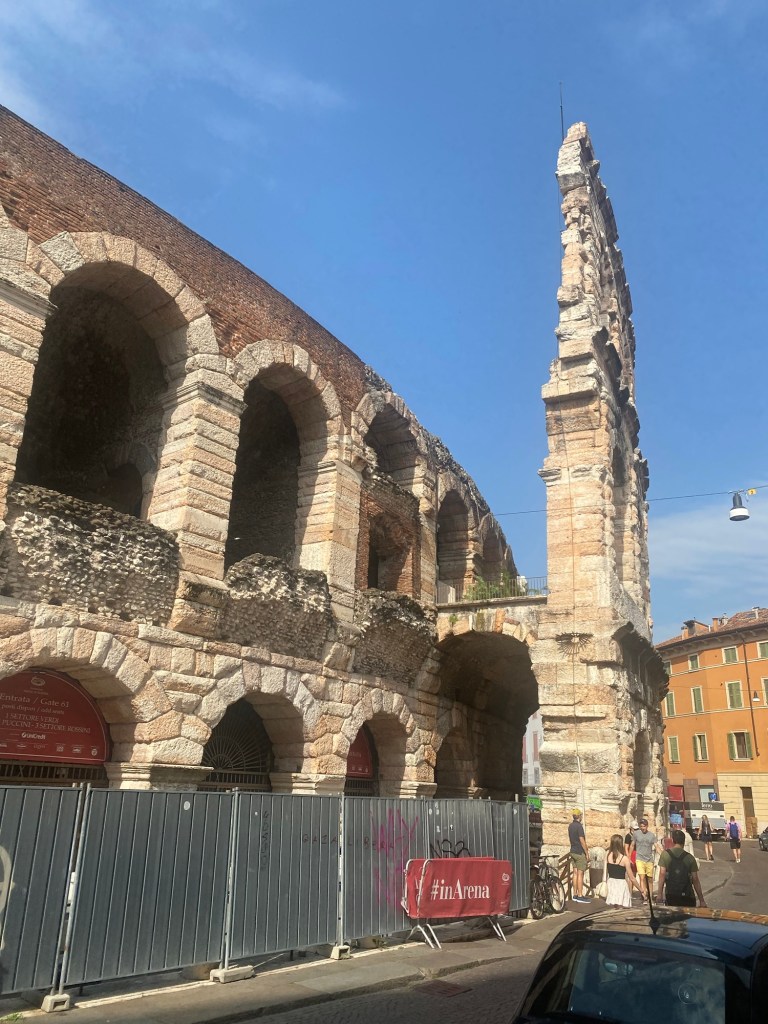
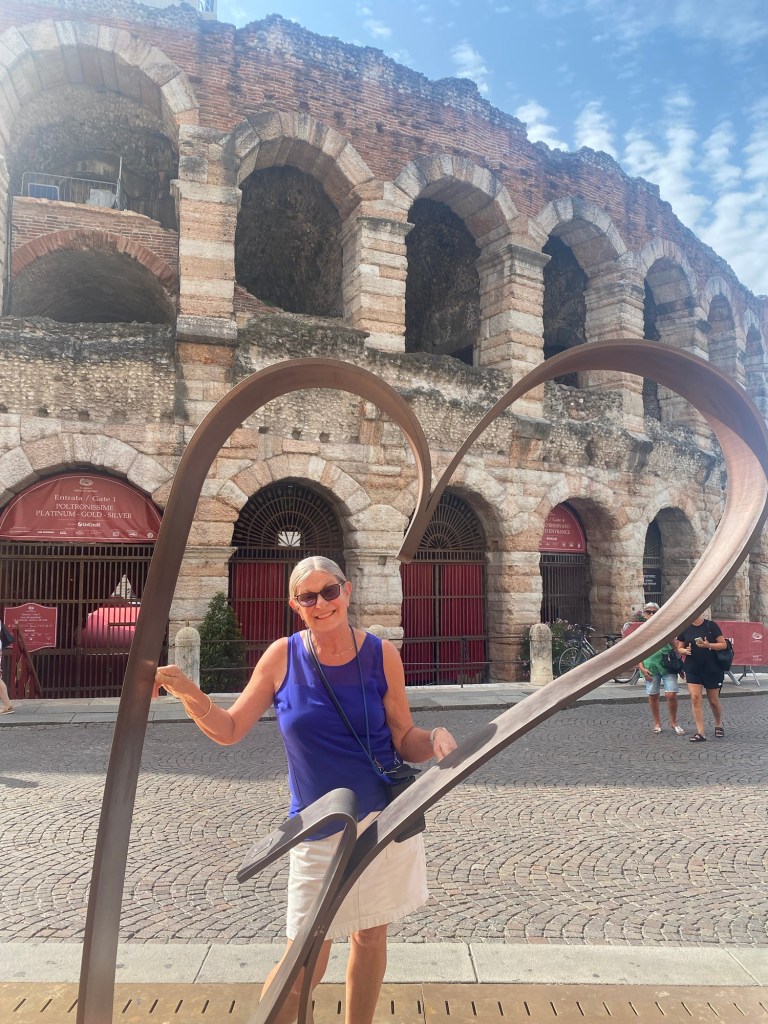
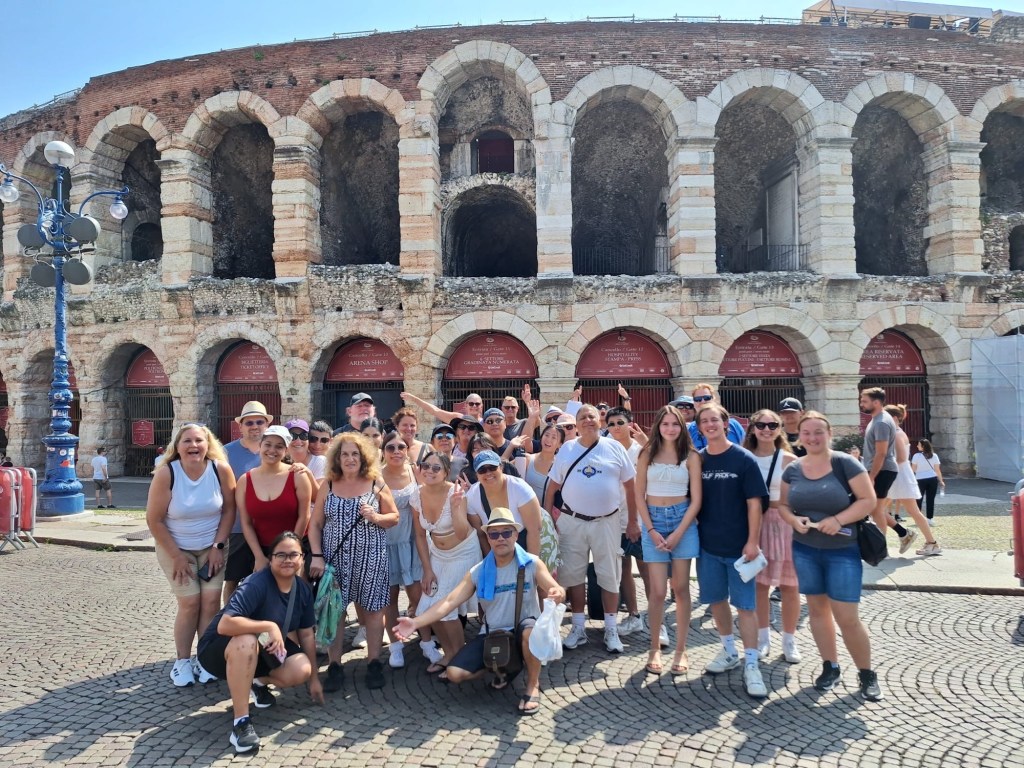
The Verona Arena is interesting. This Roman amphitheater, built in the 1st century AD, is remarkably well-preserved and still hosts concerts and opera performances.
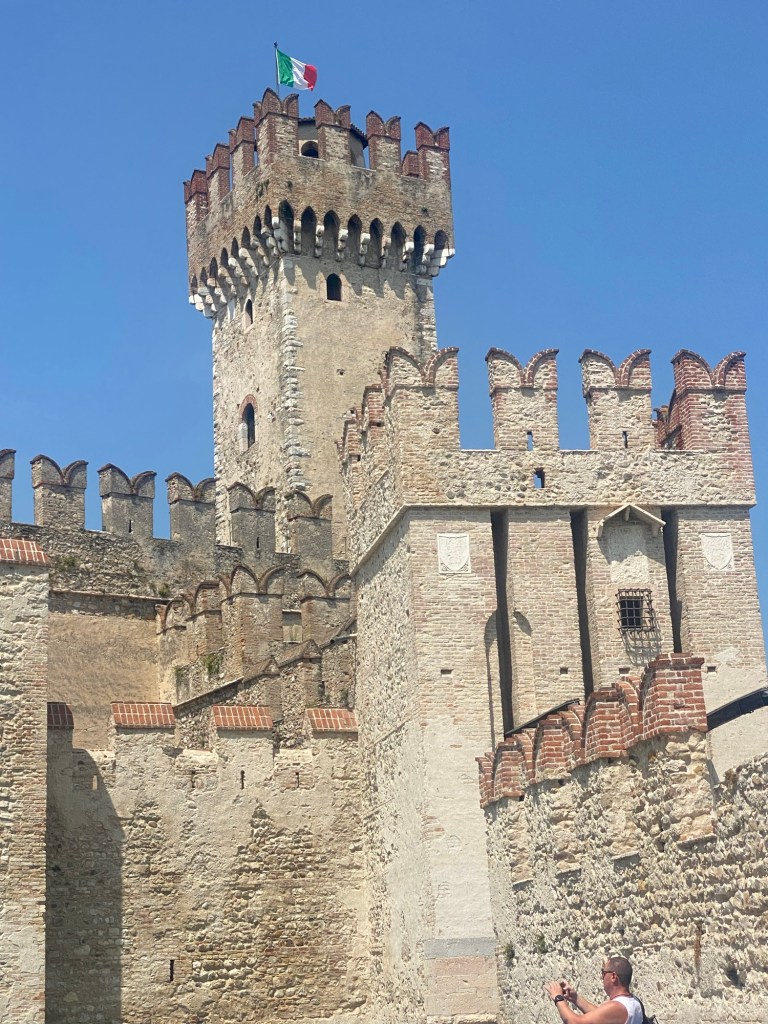
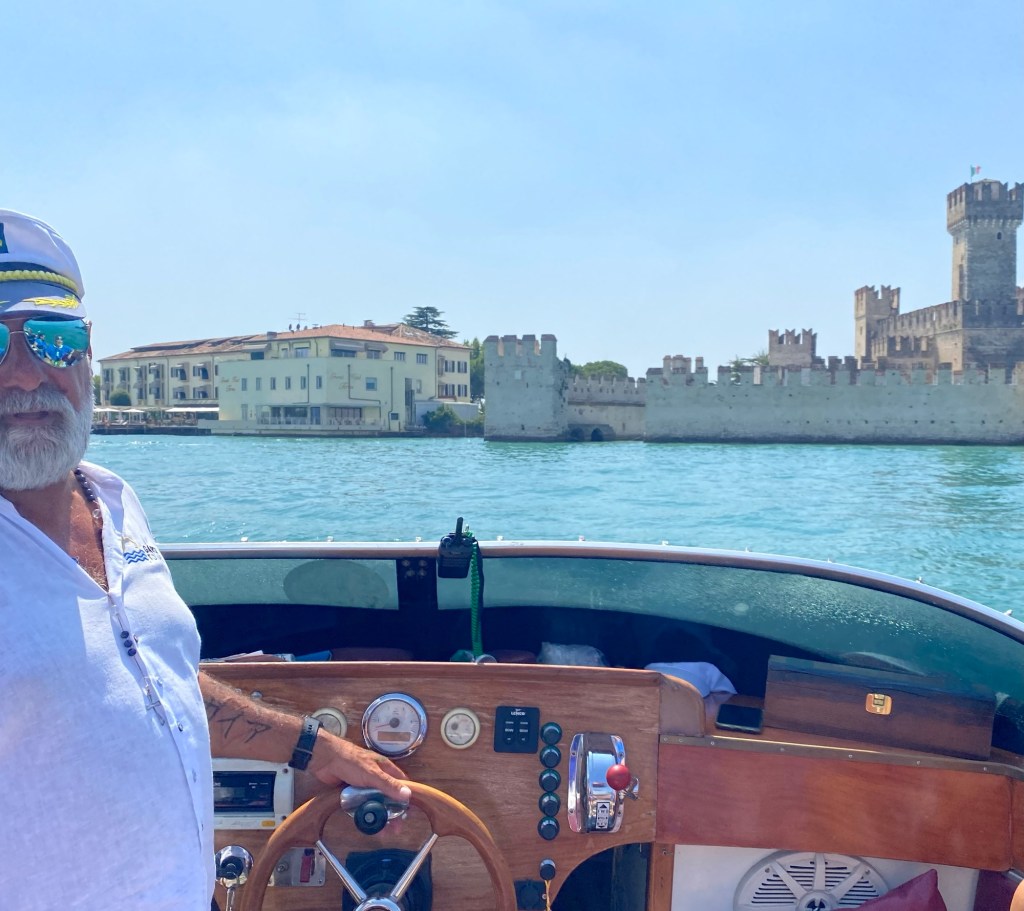
Lunch was at a place called Sirmione on the shores of Lake Garda in Northern Italy. It was very pretty and had a walled old town.
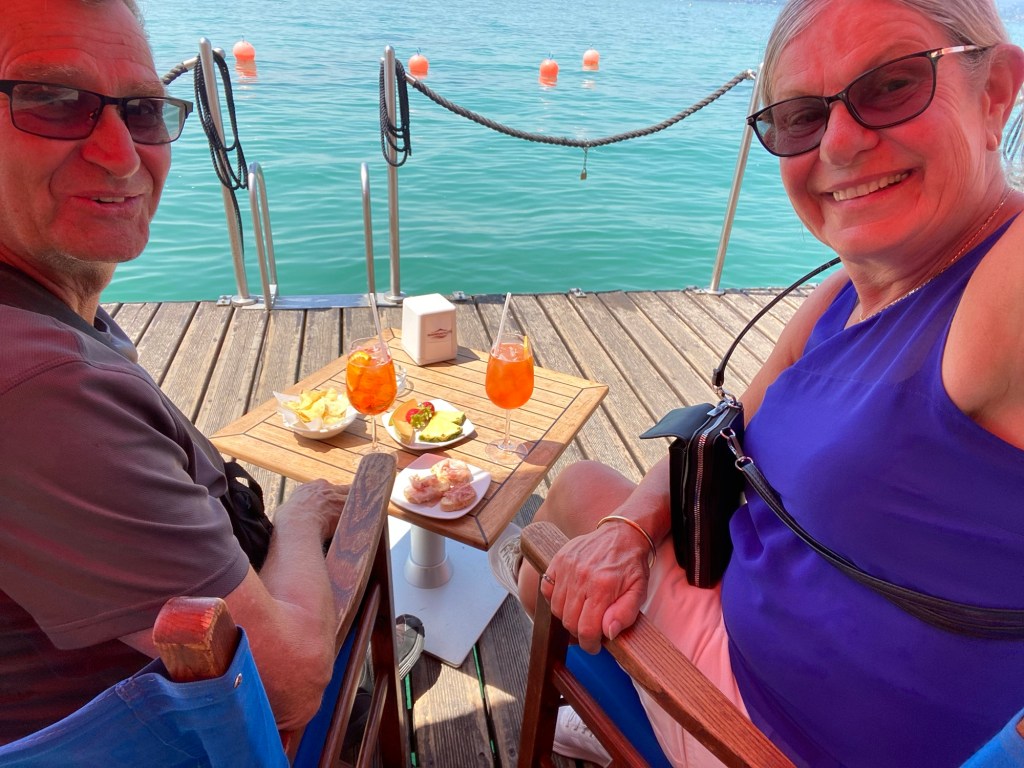
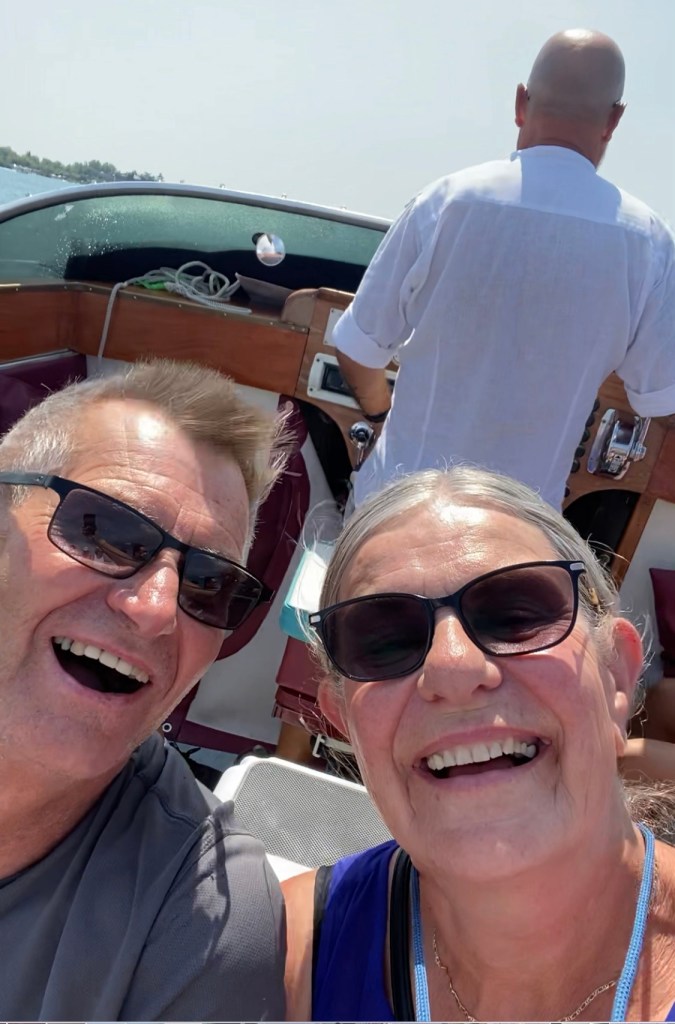
We probably shouldn’t have eaten so much as an exhilarating speedboat ride around Lake Garda ensued. The driver tended to play AC/DC music when he floored it and Dean Martin when he slowed.
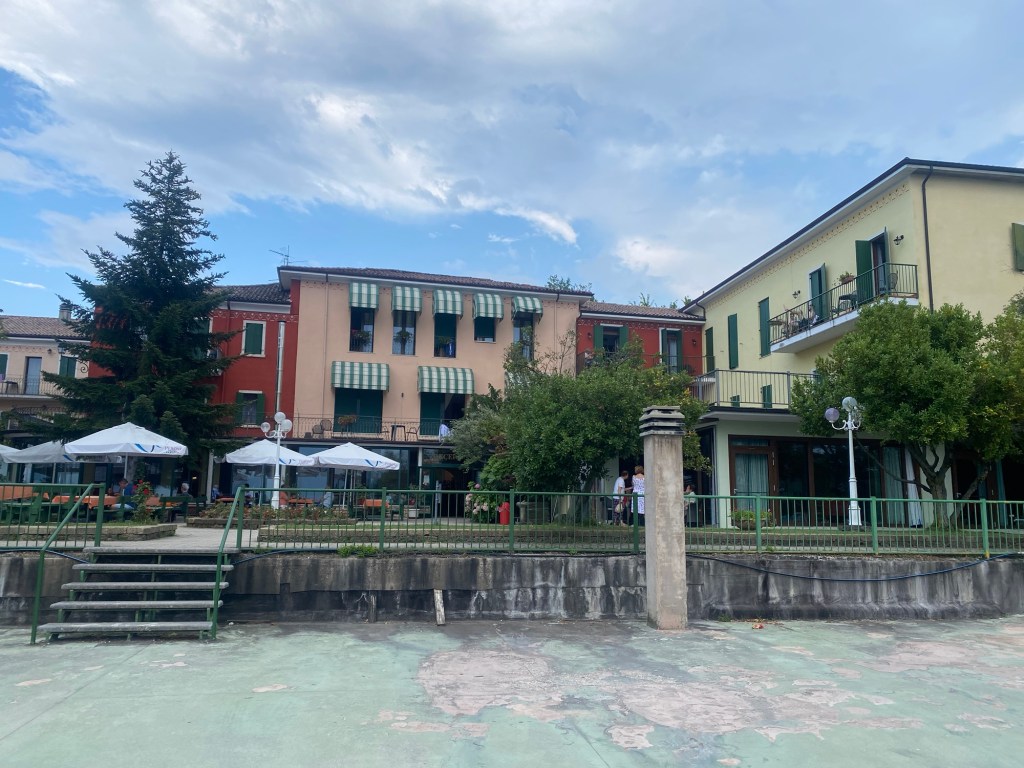
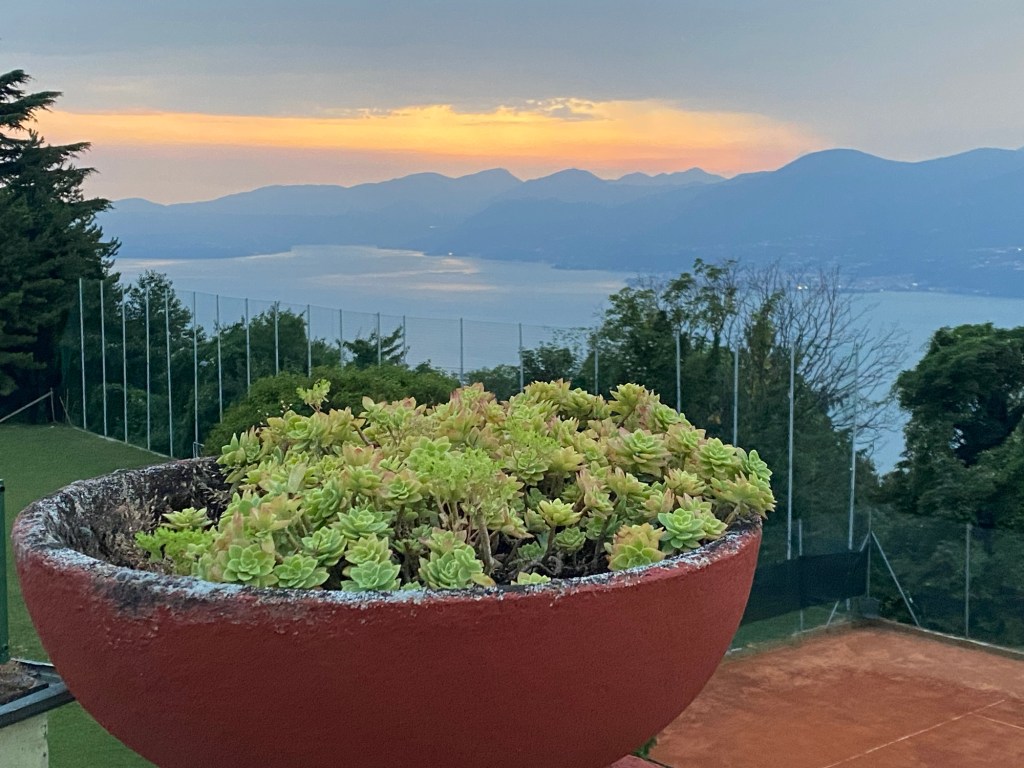
Our accommodation for the night was a hotel converted from a monastery. Up in the hills, it still had great views down to Lake Garda and the Italian/Swiss Alps in the background. The rooms weren’t air conditioned but at least the hotel had a pool. The group is pretty comfortable with each other now and we all slept with our sliding doors and windows wide open.
Day 8 Liguria Region
The food speciality from this region is Pesto.
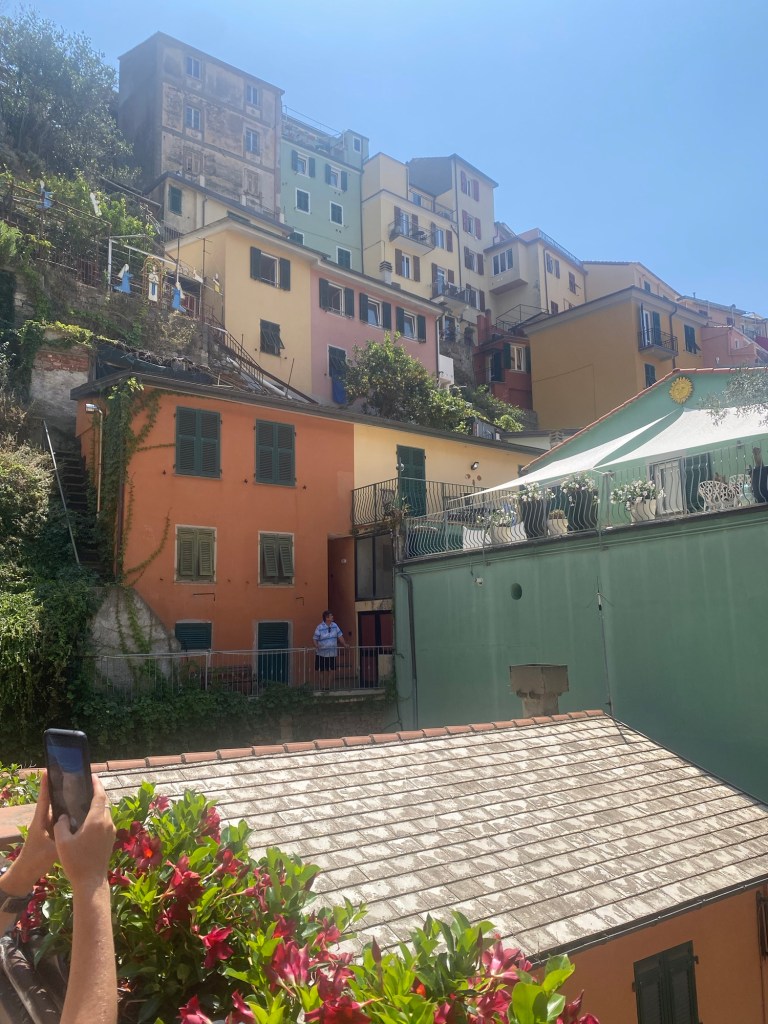
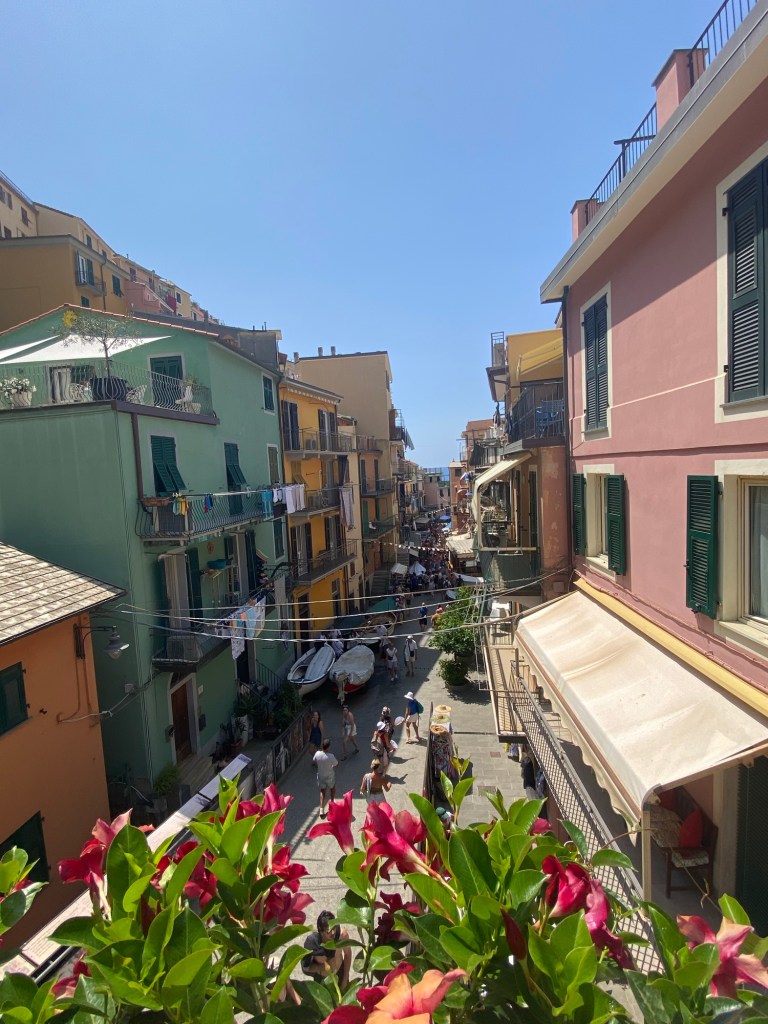
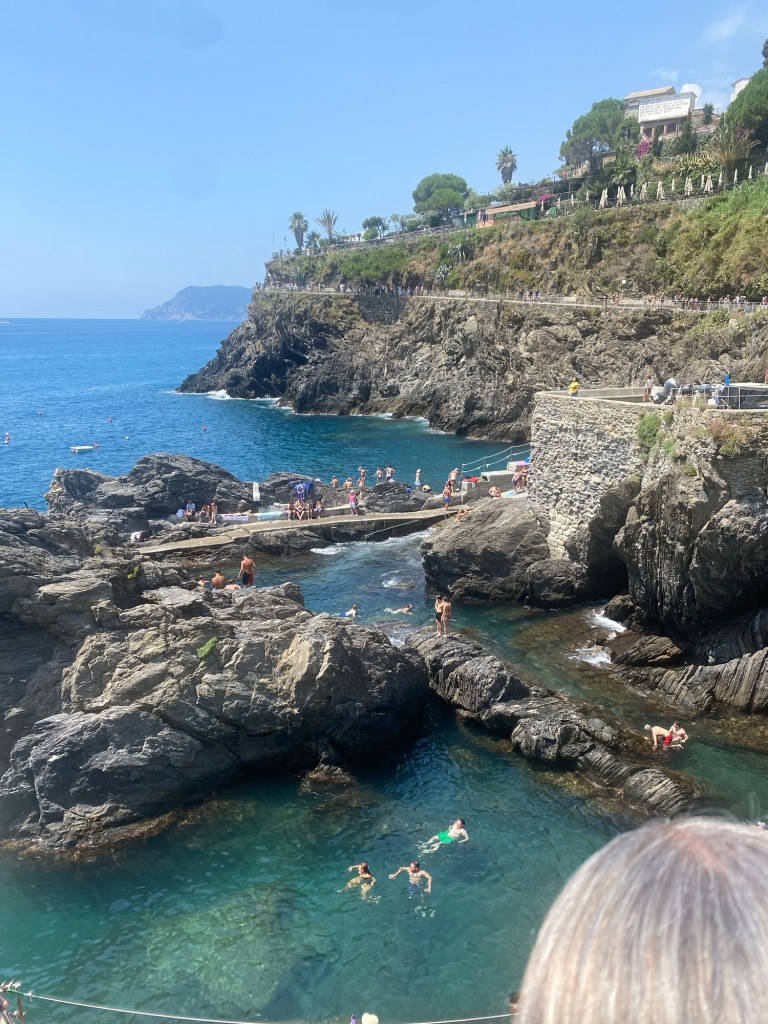
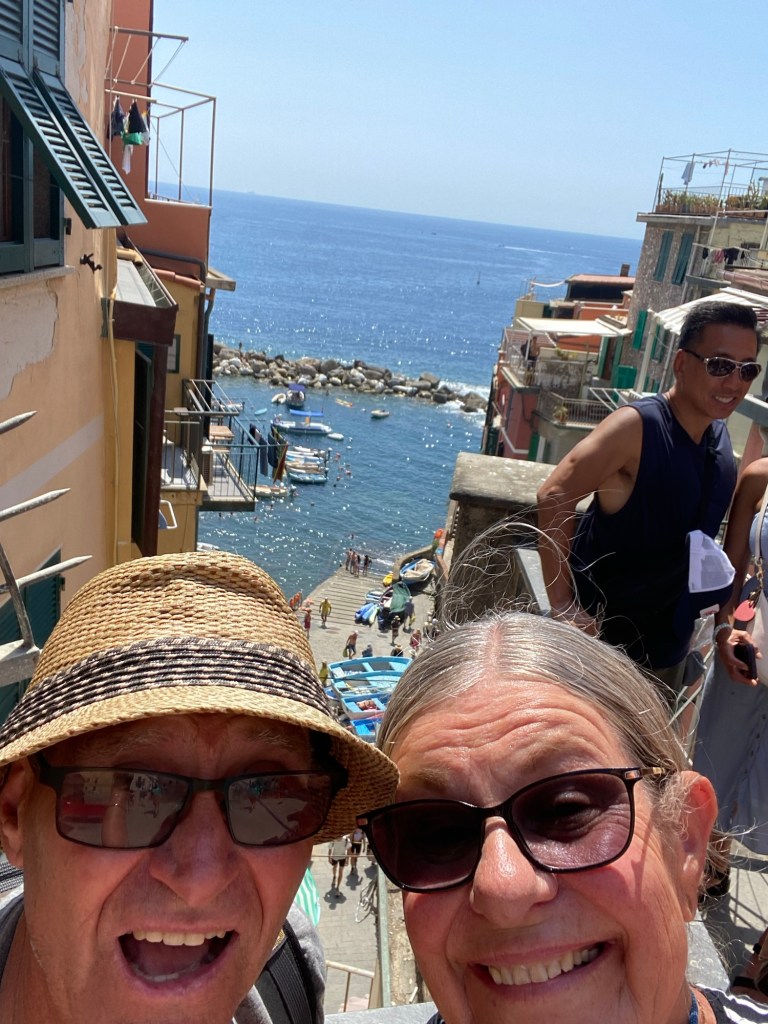
Off to La Spezia where we boarded the train to see some of the Cinque Terra villages. There are five unique towns which besides the train line are joined by hiking paths. Our time was limited so we had no option but to catch the train between towns. We stopped and saw 4 of the towns. The crowds, the heat and the waiting times didn’t make it the most enjoyable time but visually this coastline is stunning.
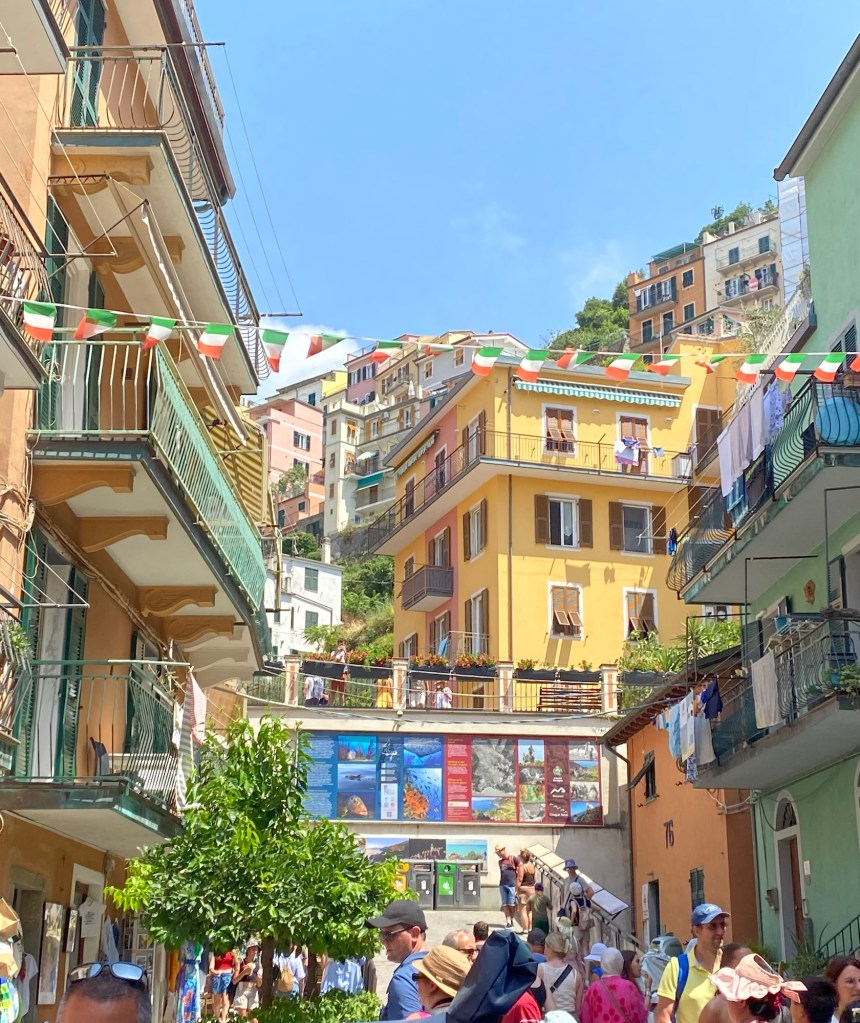
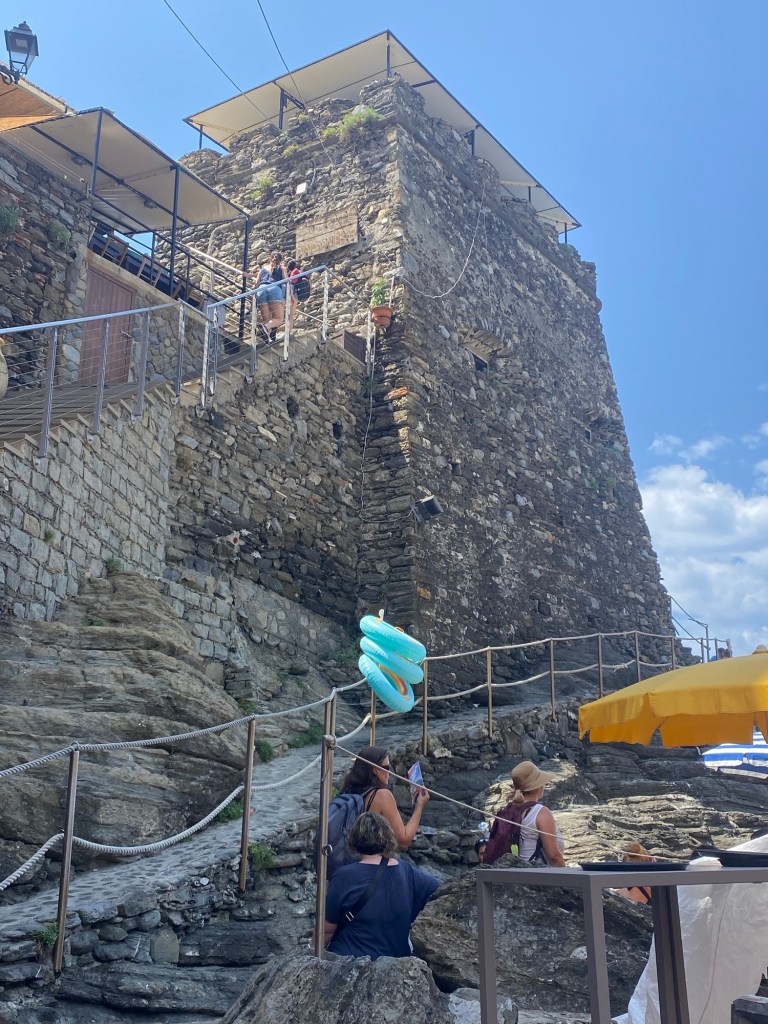
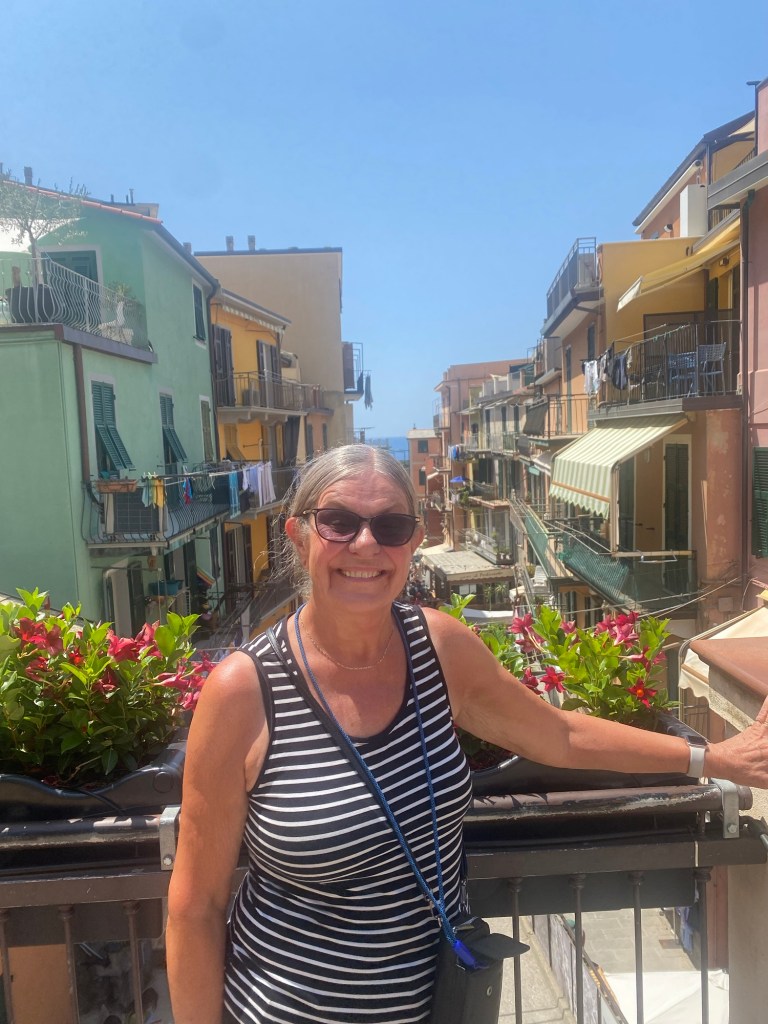
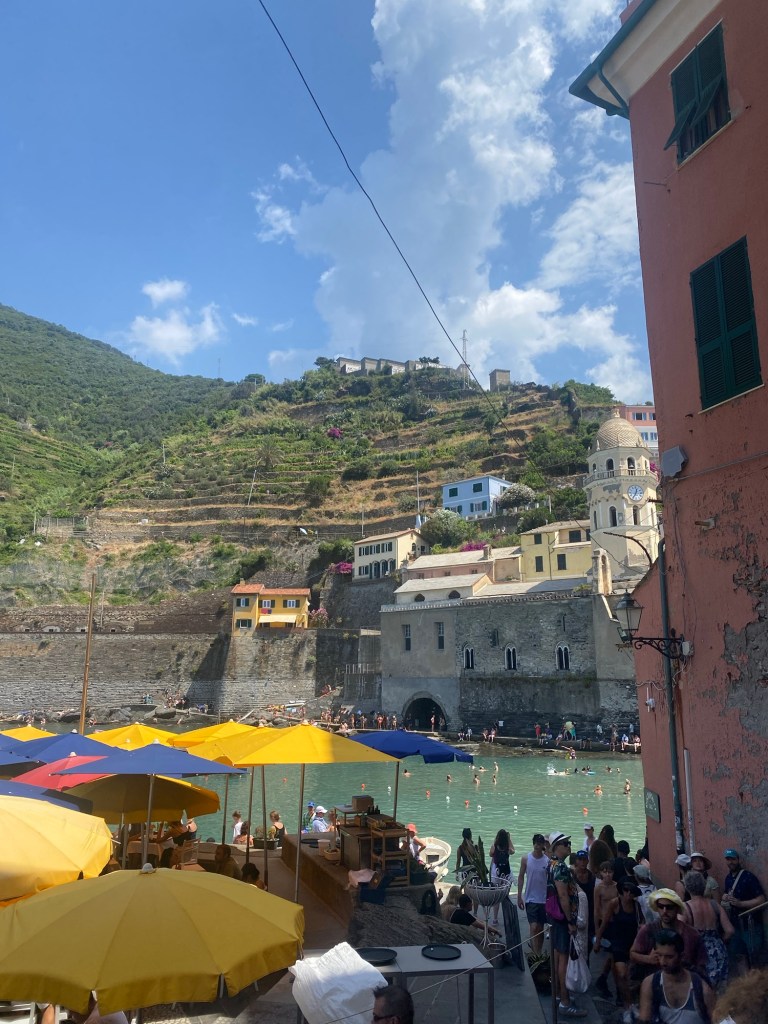
If I ever returned I would only go to Riomaggiore and Manarola. Both had beautiful ocean swimming areas which differentiated them from the other. Otherwise the towns look much the same with colourful houses and eateries. The food is the same in all the villages. We had some yummy pesto pizza slices for lunch sitting on a step in the shade.
It had been a long day already by the time we reached the leaning tower of Pisa. We had been here before so hurriedly took some snaps as the bus driver was nearing the end of his allowed 13 hour day. Apparently the bus automatically stops when his time limit is up and we still had 1 hour to get to our hotel!
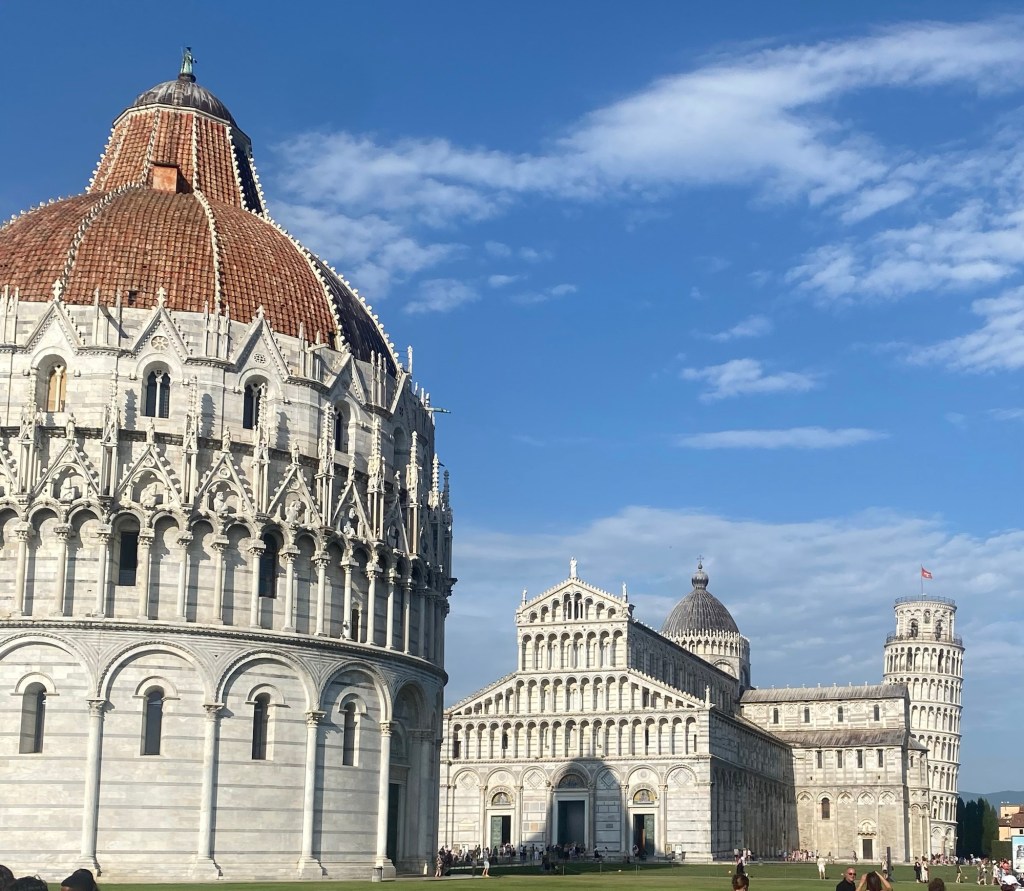
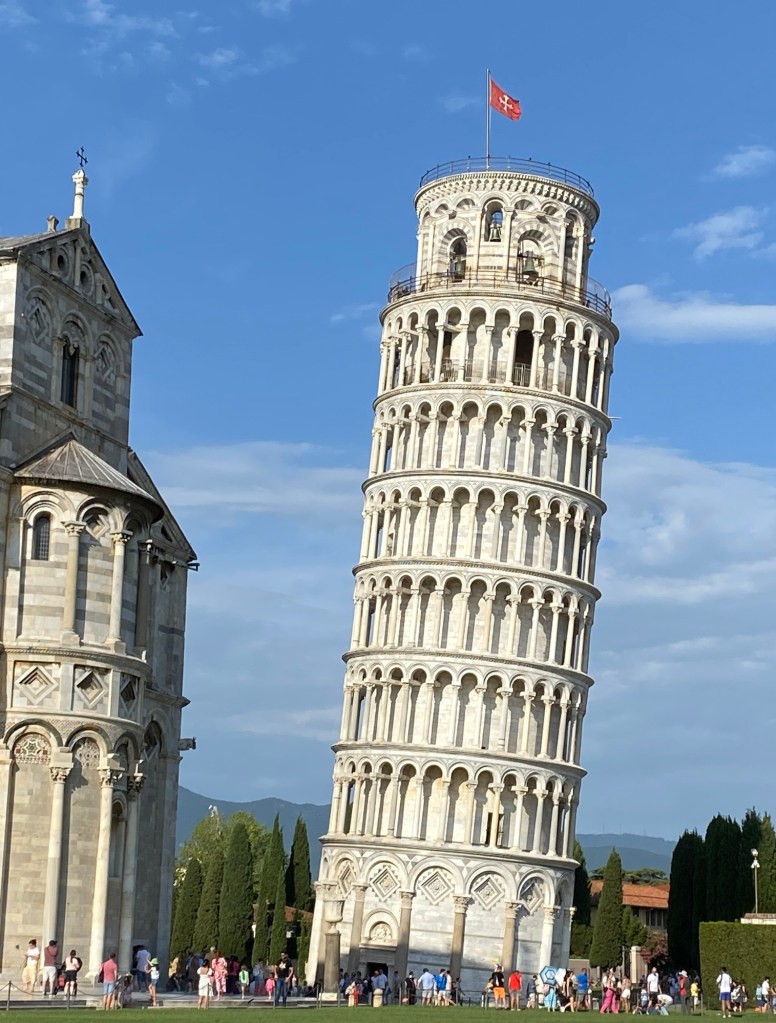
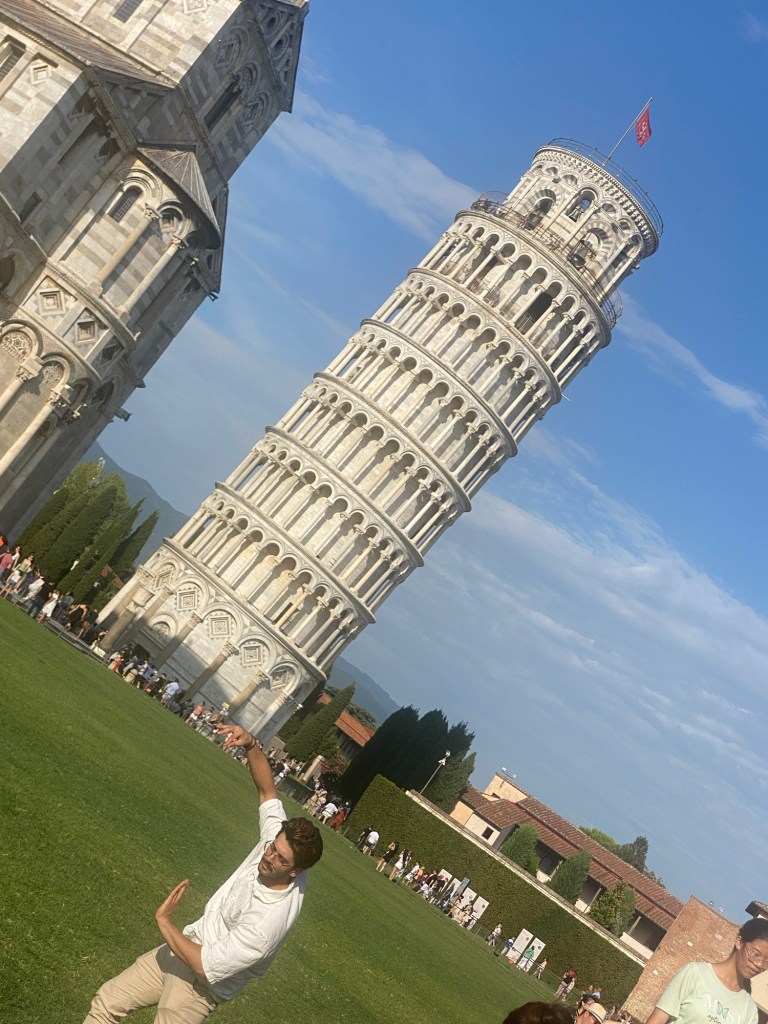
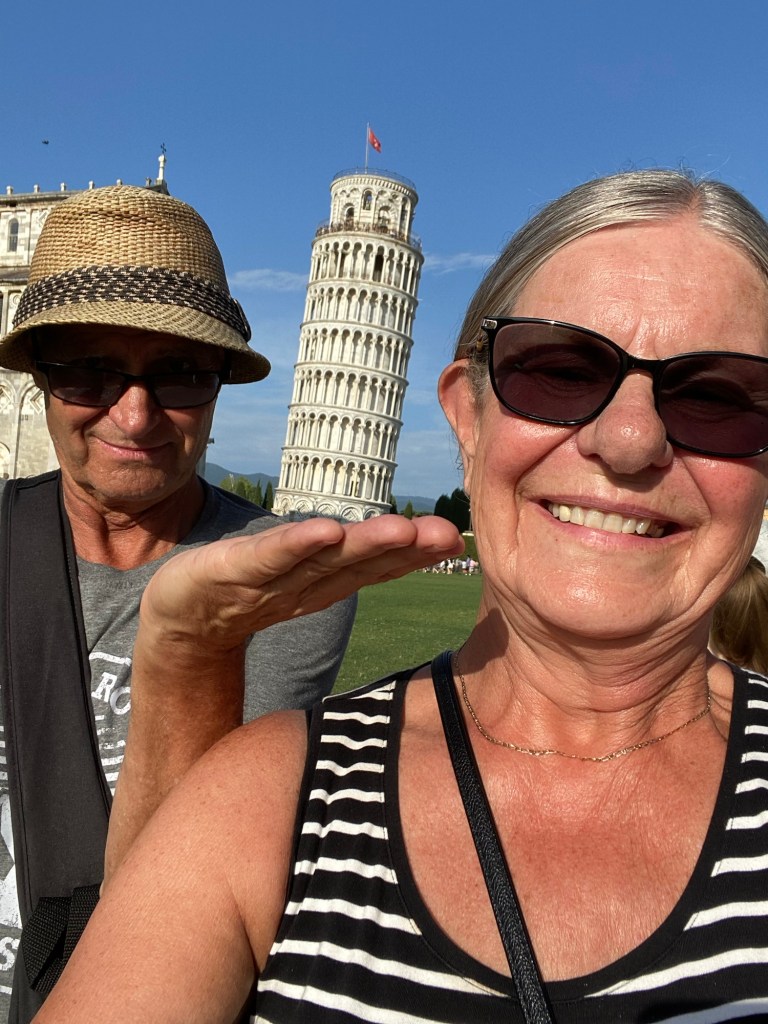
Our hotel was in Montecatini, quite a large city that I had never heard of but seemed to cater for all the bus touring tourists.
Day 9 Tuscany Region
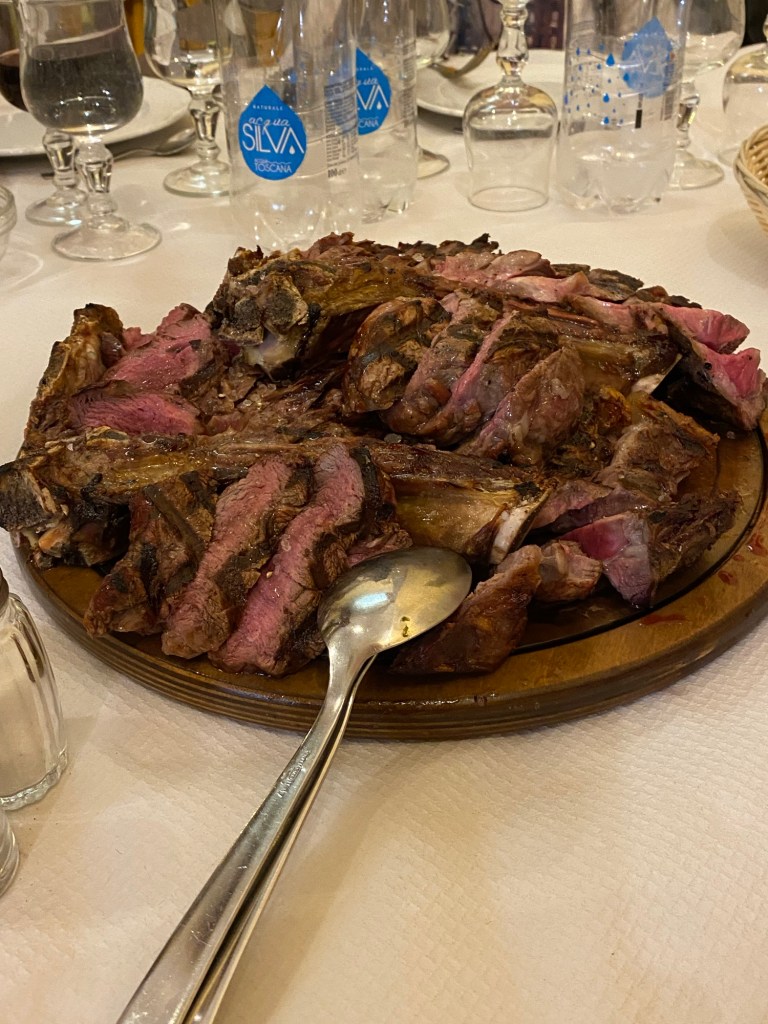
The food speciality from this region is Florentine steak but other popular dishes are deer, pheasant, wild boar and biscotti.
Our bus took us to a high point to overlook the city of Florence. Even from there, you could tell that Florence was and is a grand city. We got our first view of an imitation David statue while there. It was just the start of a lot of naked men statues scattered around Florence.
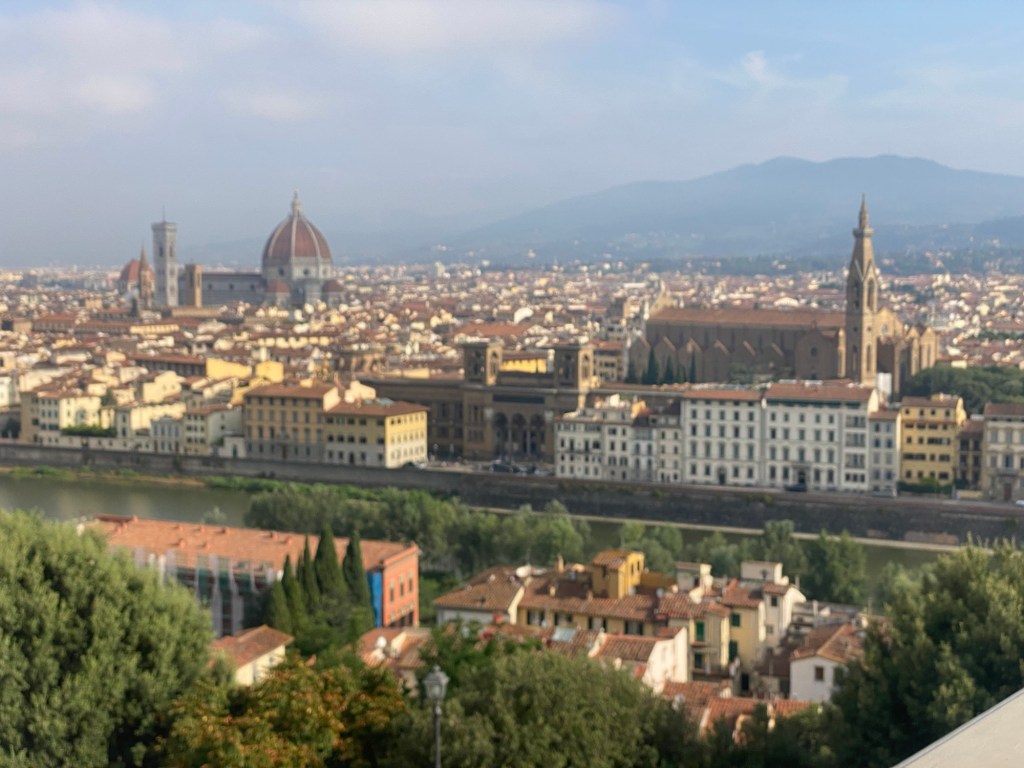
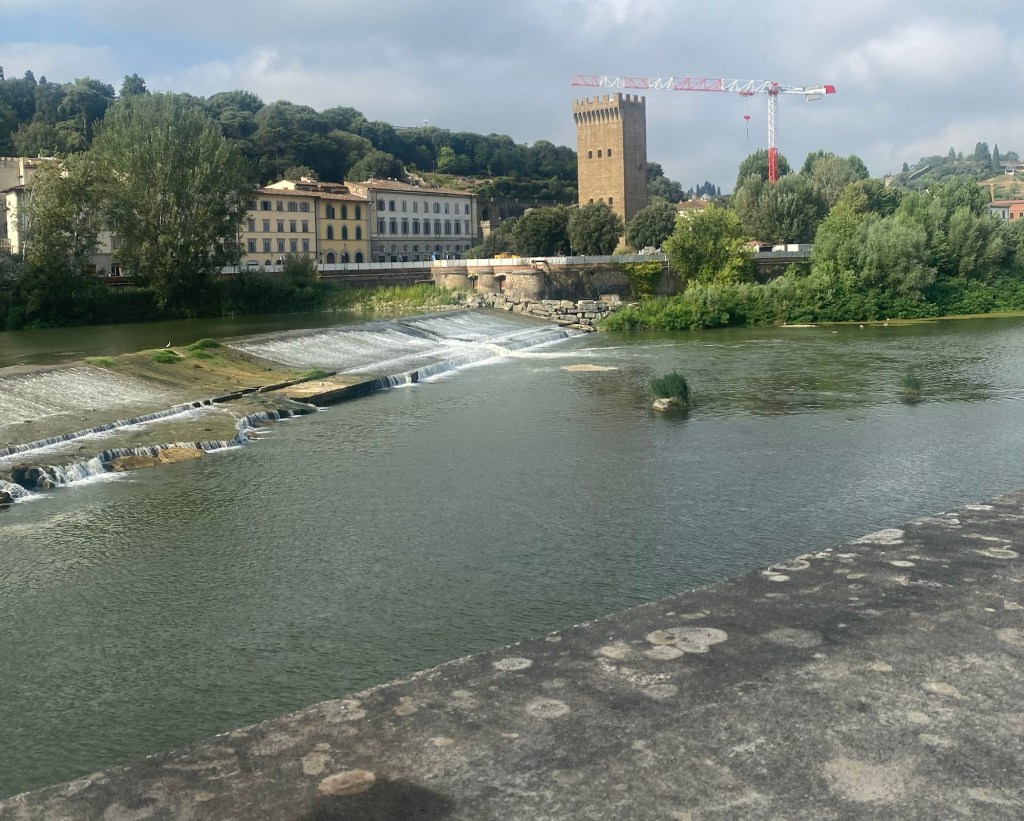
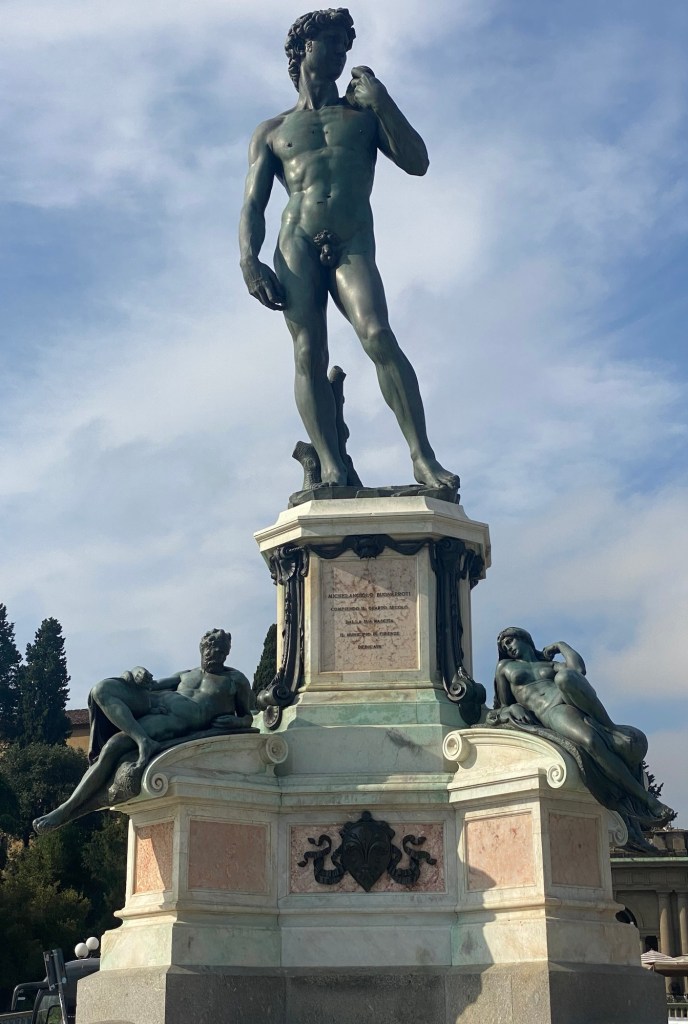
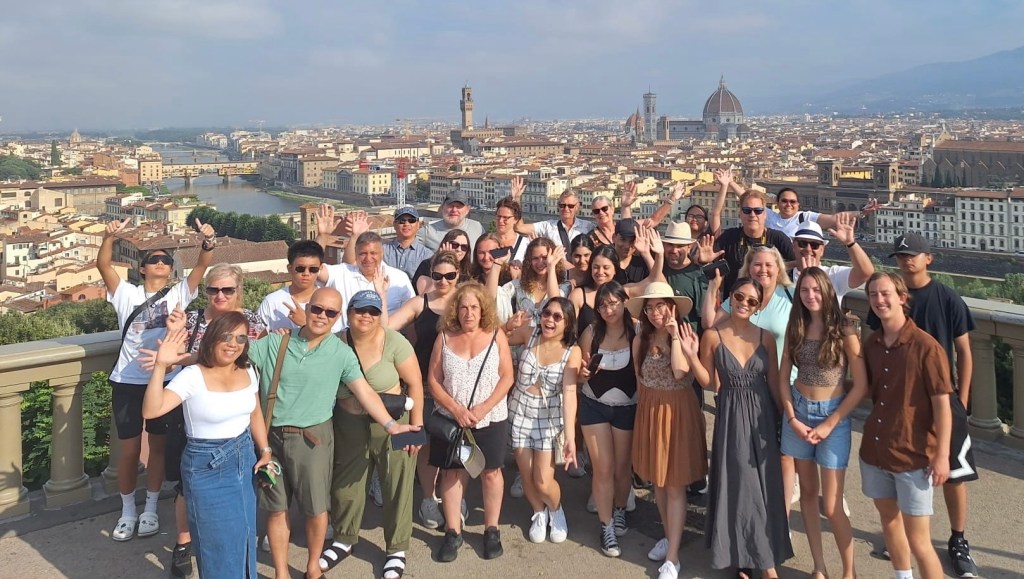
Even though Florence was founded by the Romans in 59BC and has all that history I think it’s the later centuries that made the city that exists today. Florence was a center of medieval European trade and finance and one of the wealthiest cities of that era. It is considered the birthplace of the Renaissance, largely due to the influence of the Medici family. There are no descendants today but incidentally, the Medici family produced 4 Popes and 2 Queens of France.
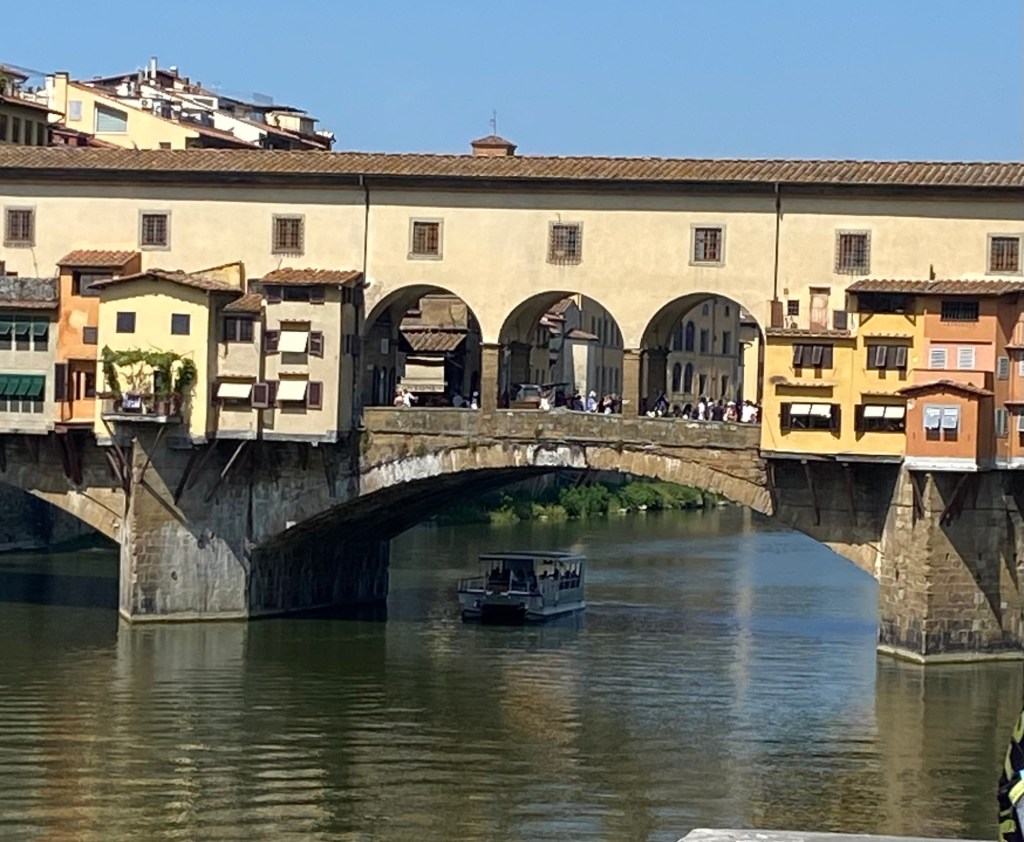
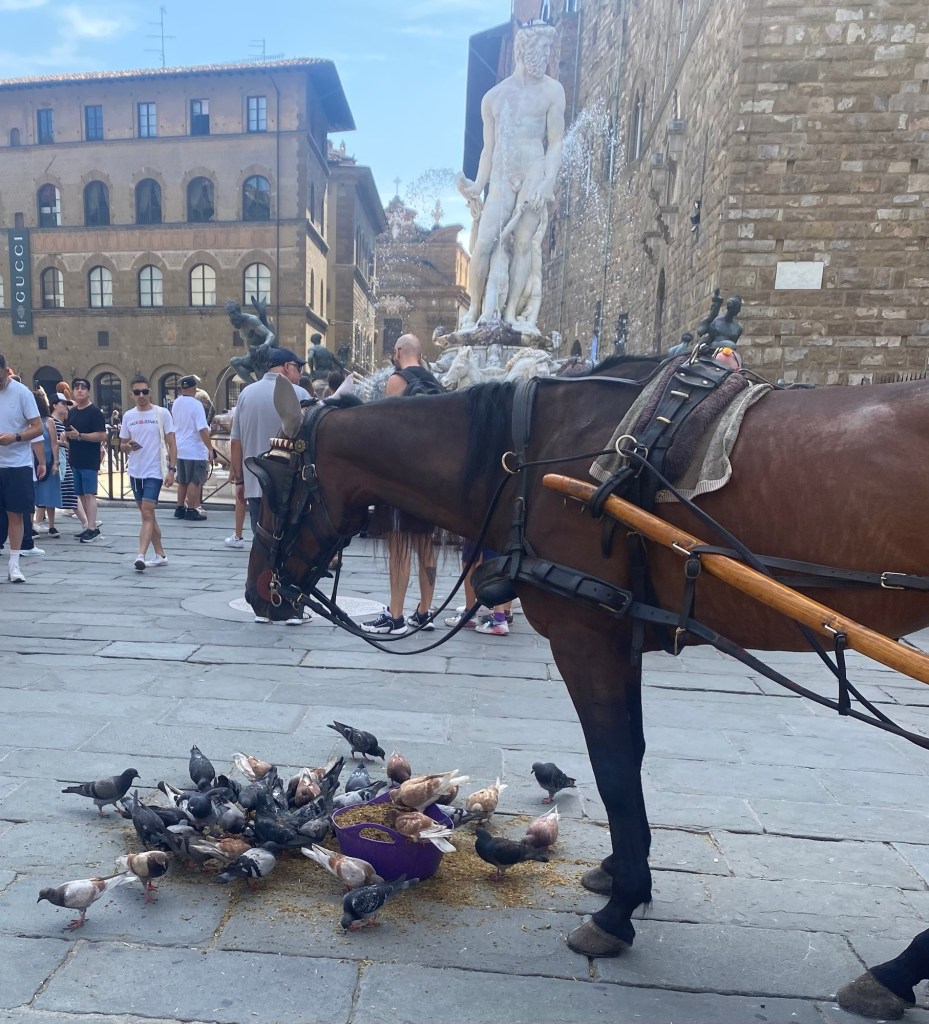
The churches are grand, statues surround you everywhere and the lanes/ streets are wider than anywhere else we have visited in Italy.
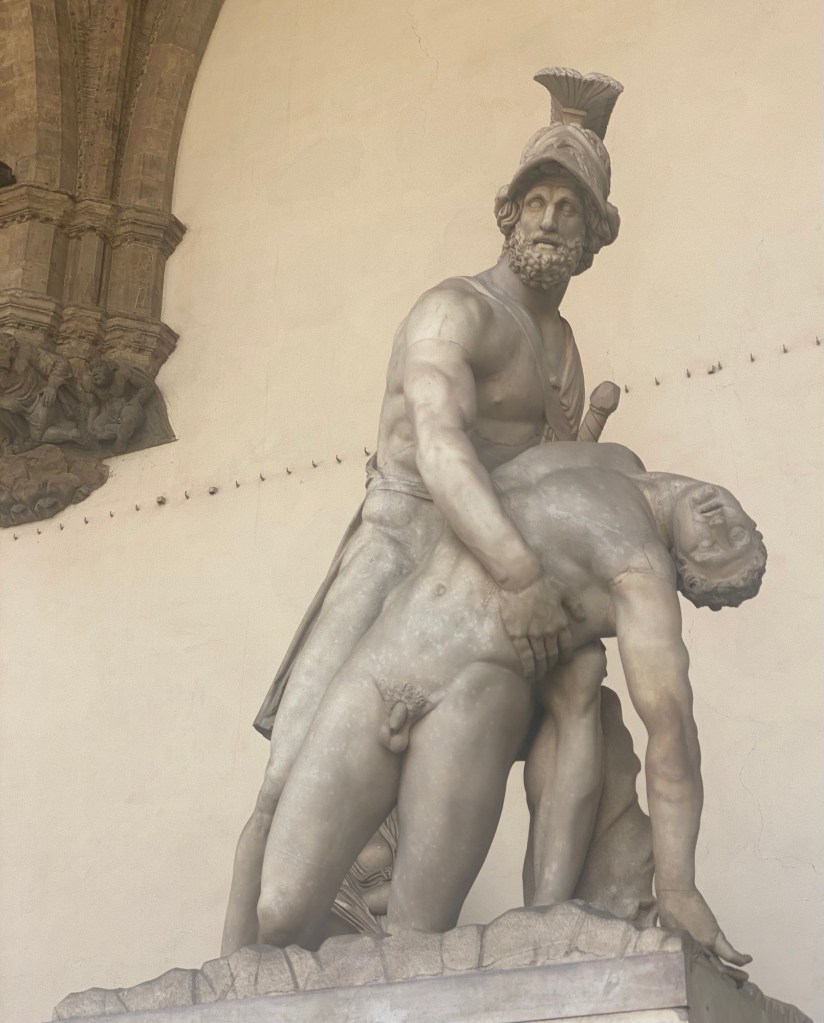
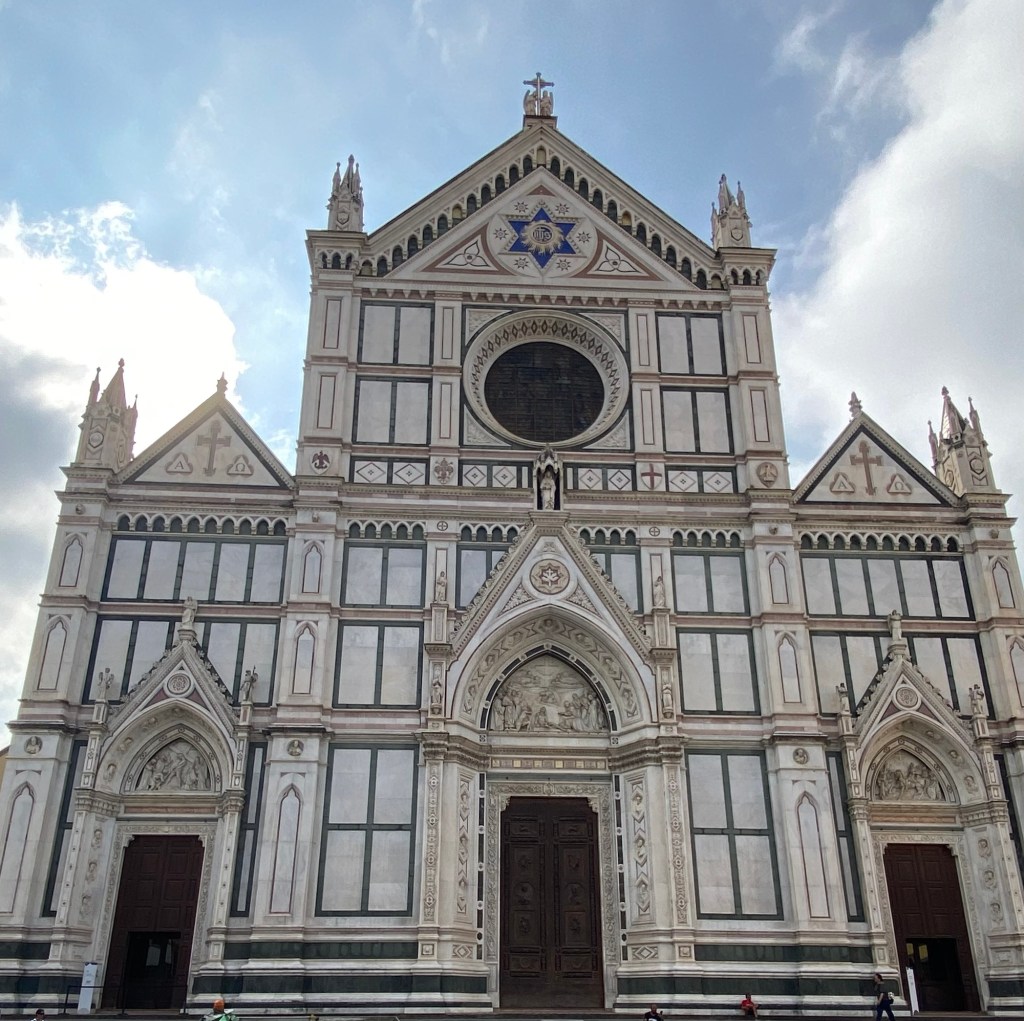
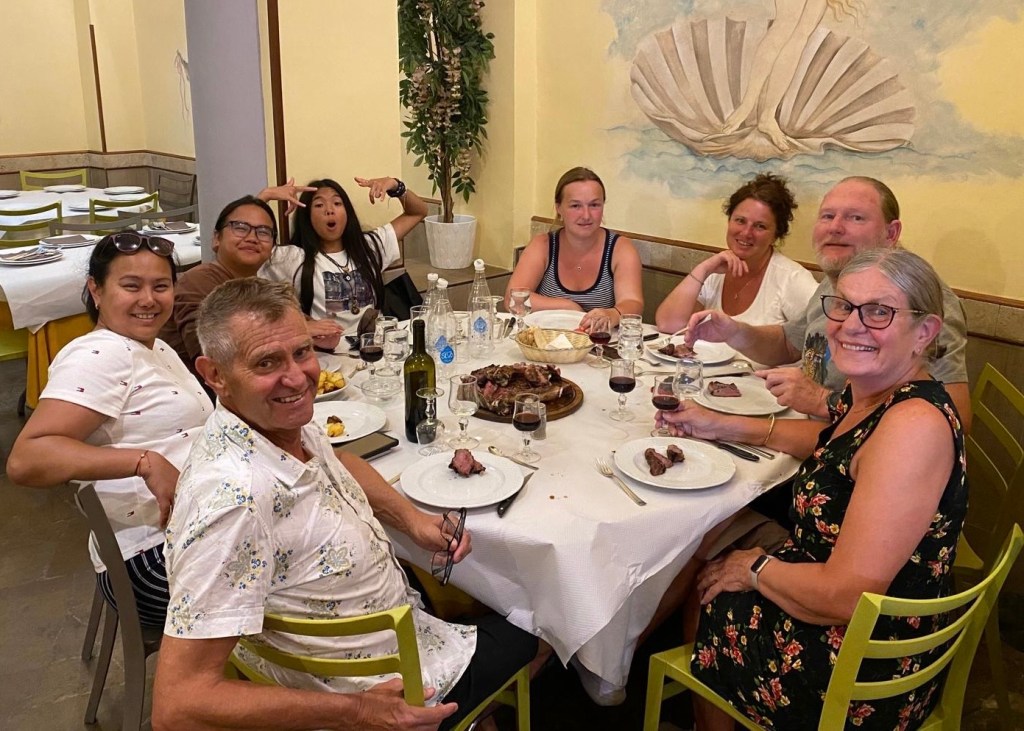
All the Italian masters spent time or lived in Florence and it is reflected in their art and architecture. Tuscan cuisine is a highlight, featuring dishes like bistecca alla fiorentina (Florentine steak). It was the first steak we have had in a while and it didn’t disappoint.
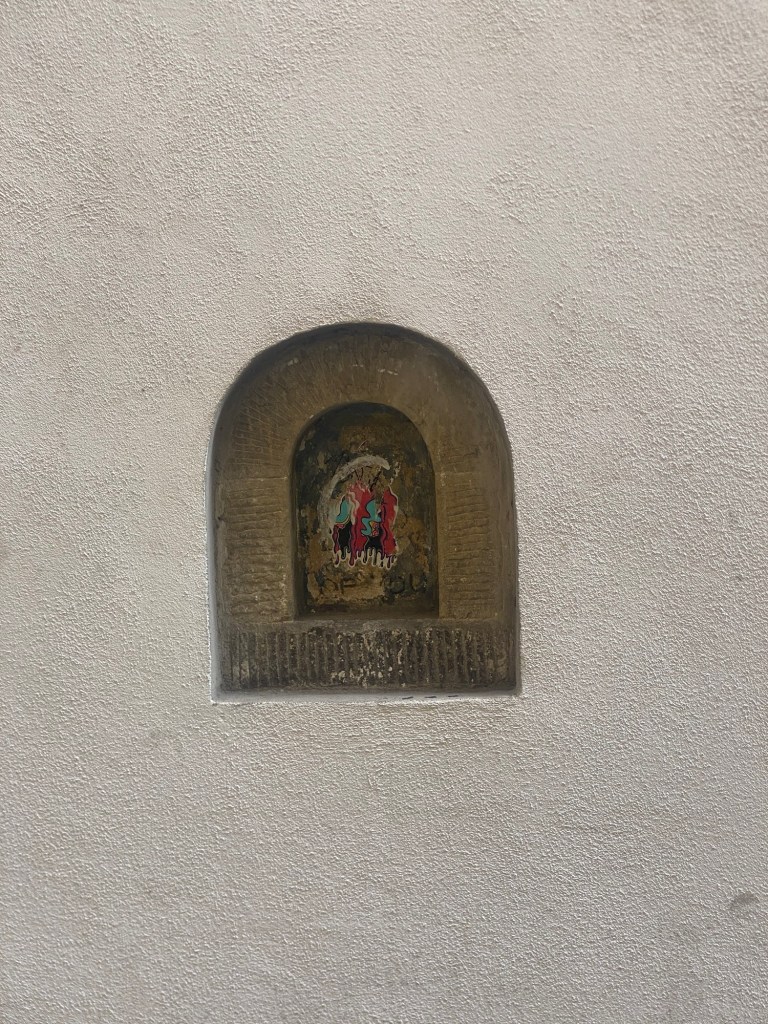
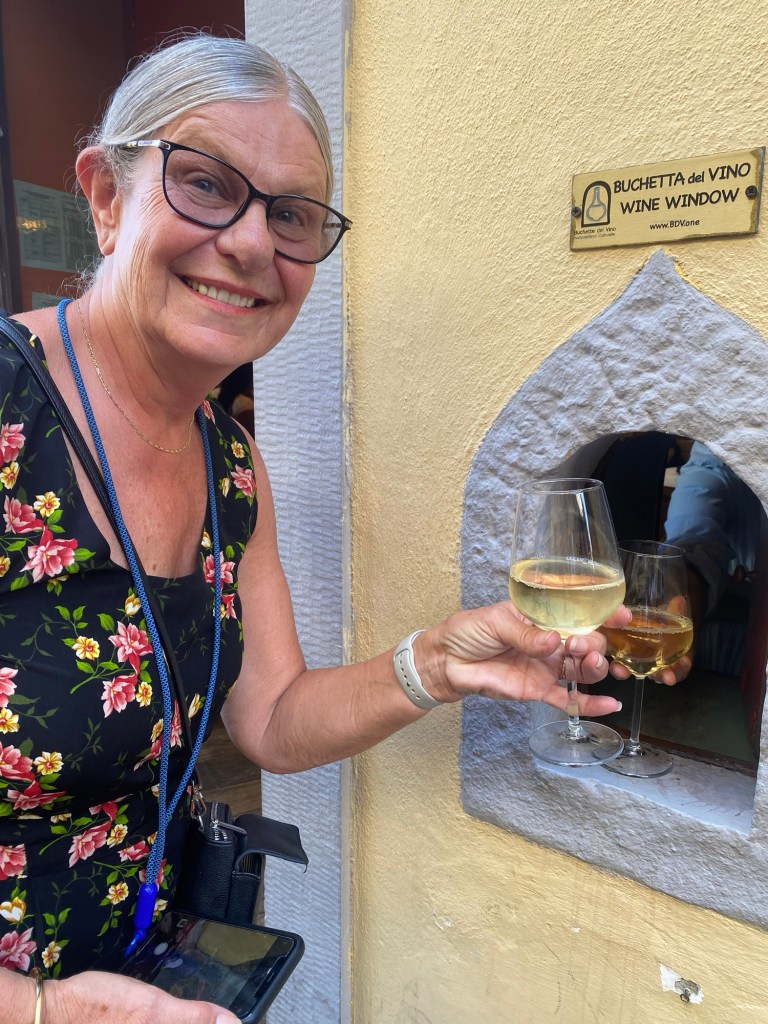
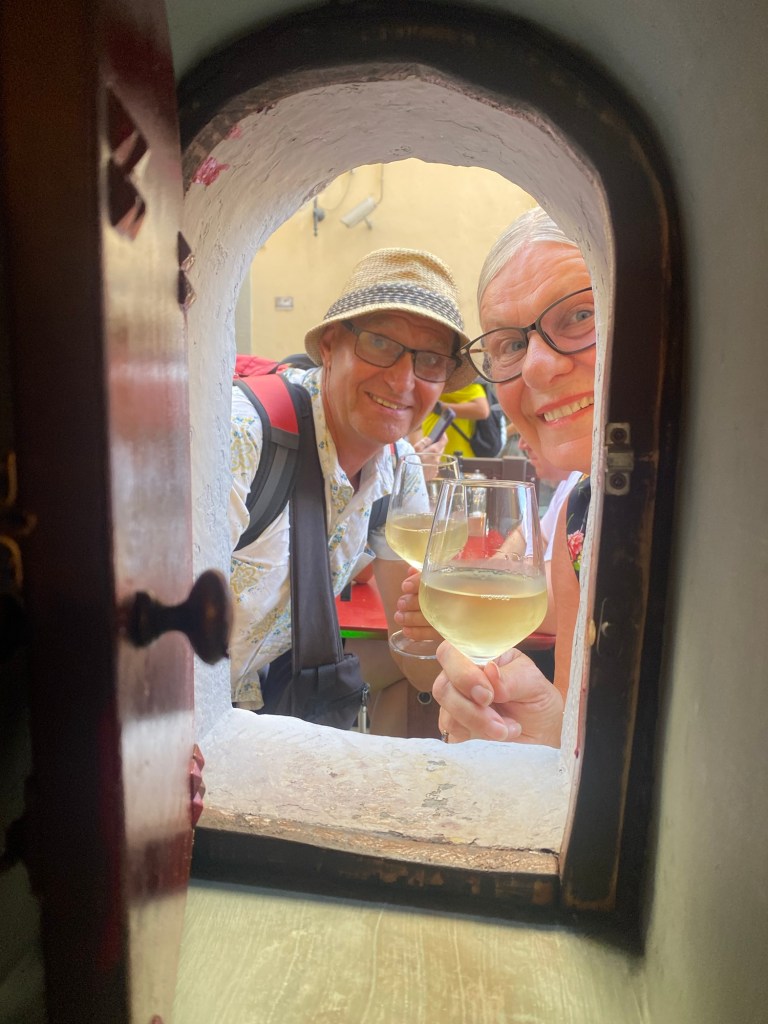
It was also novel that we could order a glass of wine from a wine window (Buchette del vino) which was just a little cutout in a wall which existed from centuries ago. Families used them to sell wine thus avoiding having to set up a shop and pay tax. They were also an anti-contagion way of selling wine during epidemics like the Black Plague in the 1600’s. In fact a lot of Restaurants, Bars and Gelateria began reusing them during the Covid pandemic just like years ago.
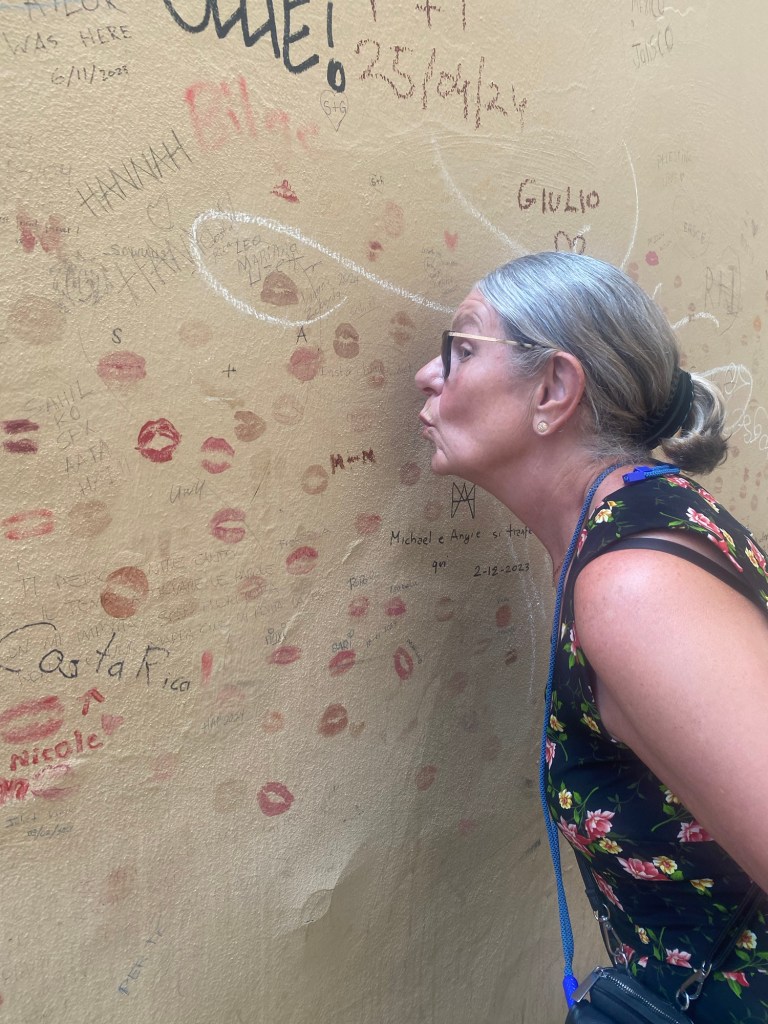
A football game called Calcio Storica is played in the city square and is not for the faint hearted. It’s a combination of soccer, rugby and wrestling and originated in the 16th century.
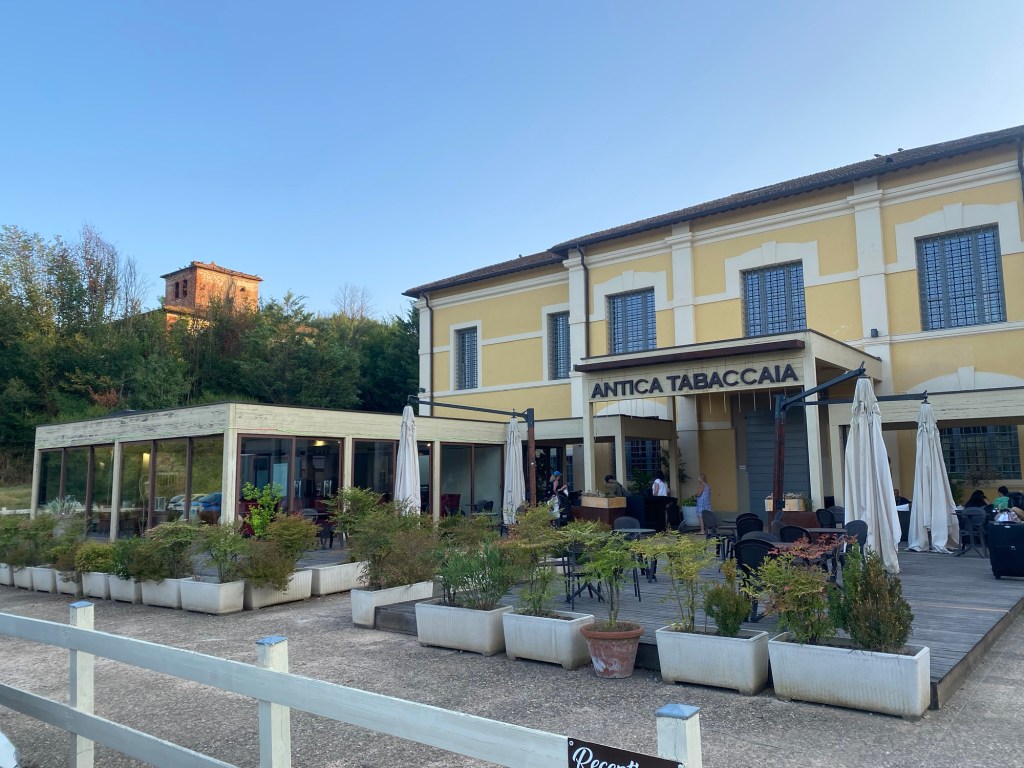
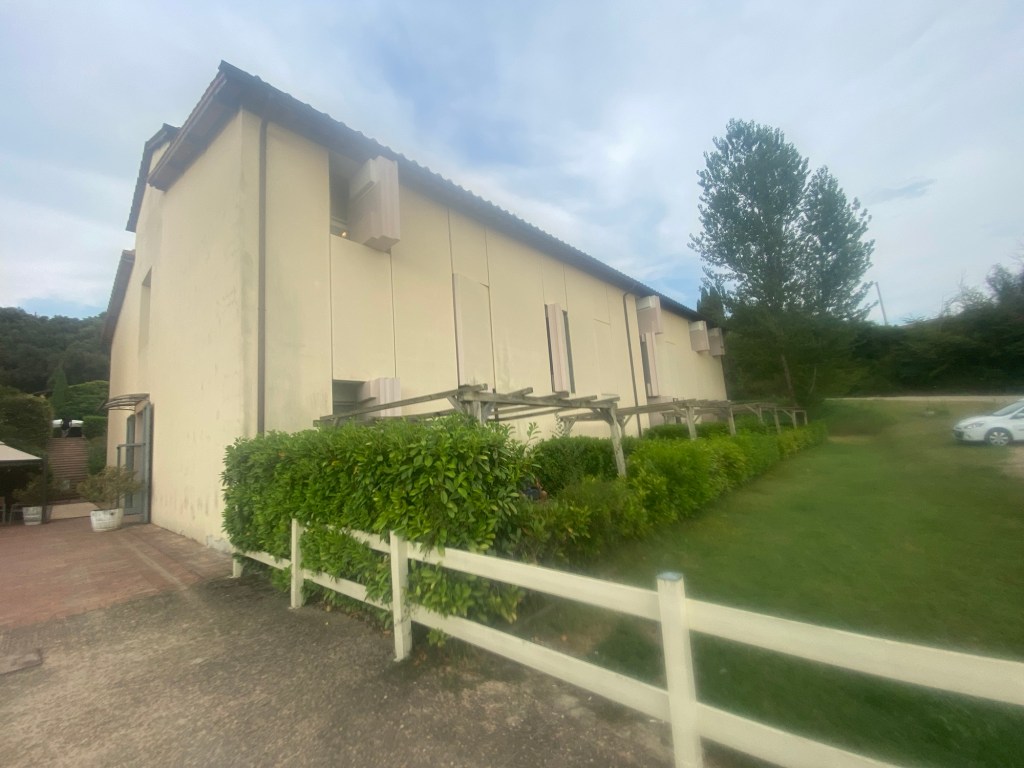
Our accommodation that night was in a converted tobacco farm. Our stay turned into an episode of Fawlty Towers. We all had a good laugh over all the incidents that happened.
Day 10 Tuscany Region
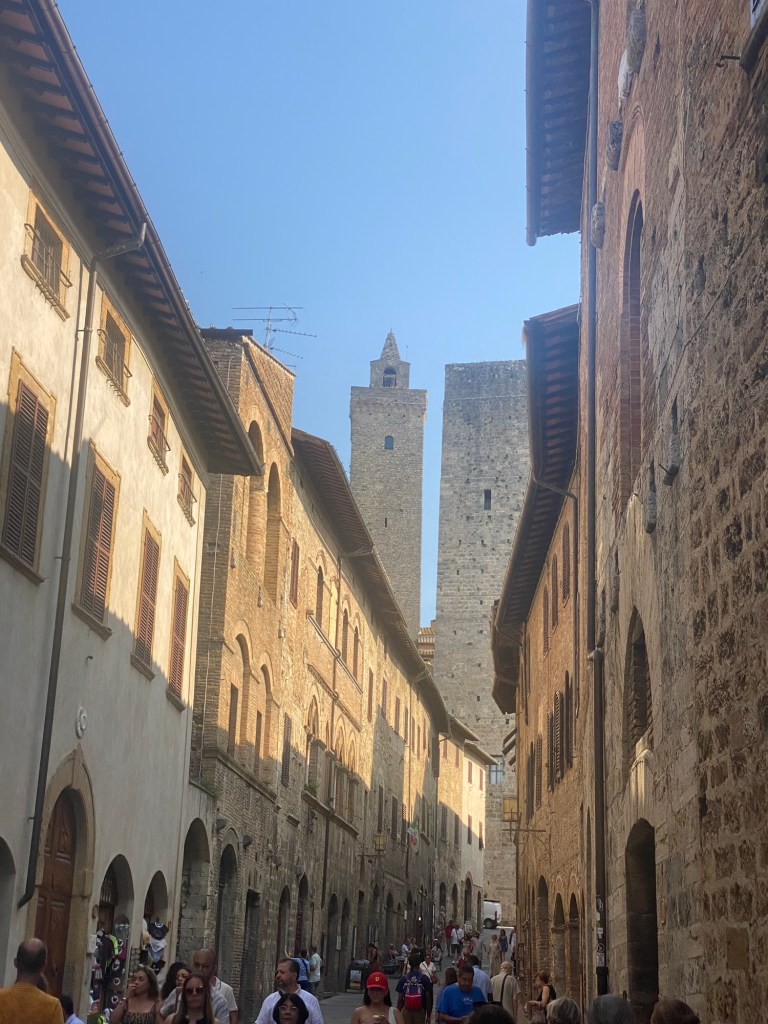
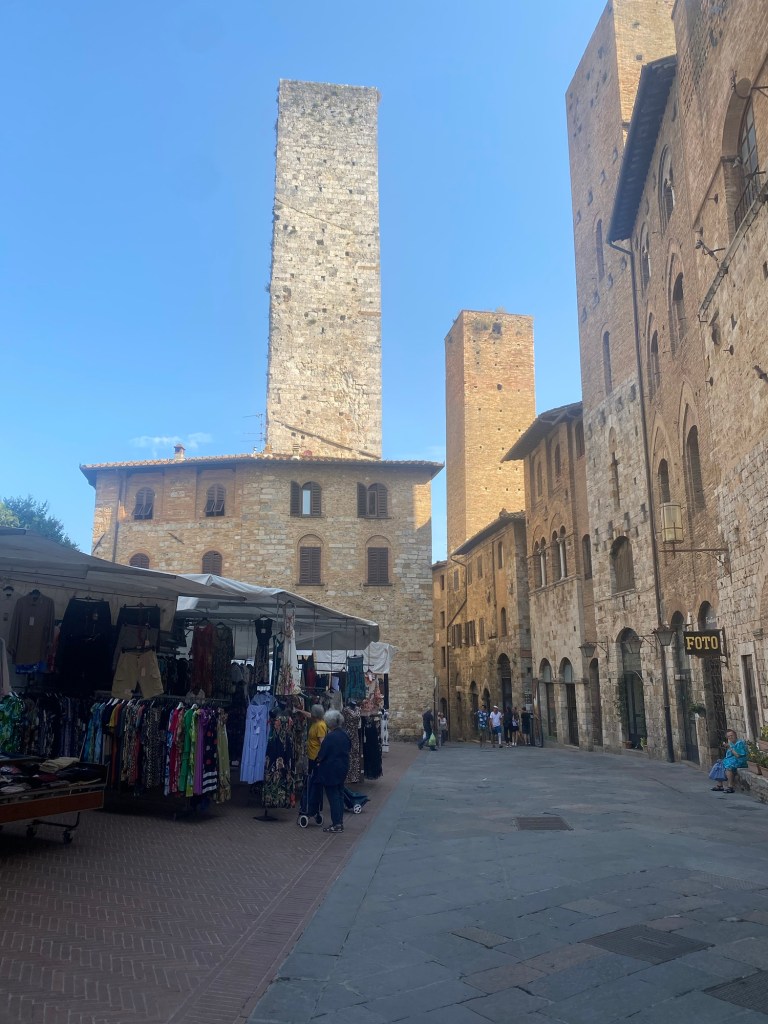
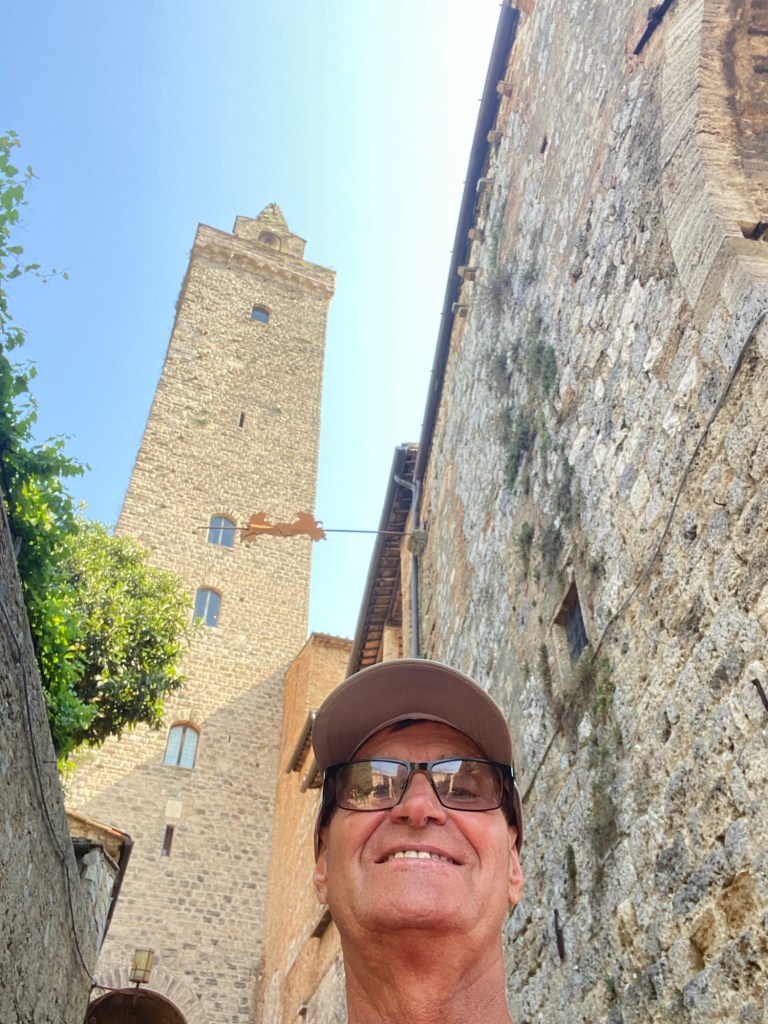
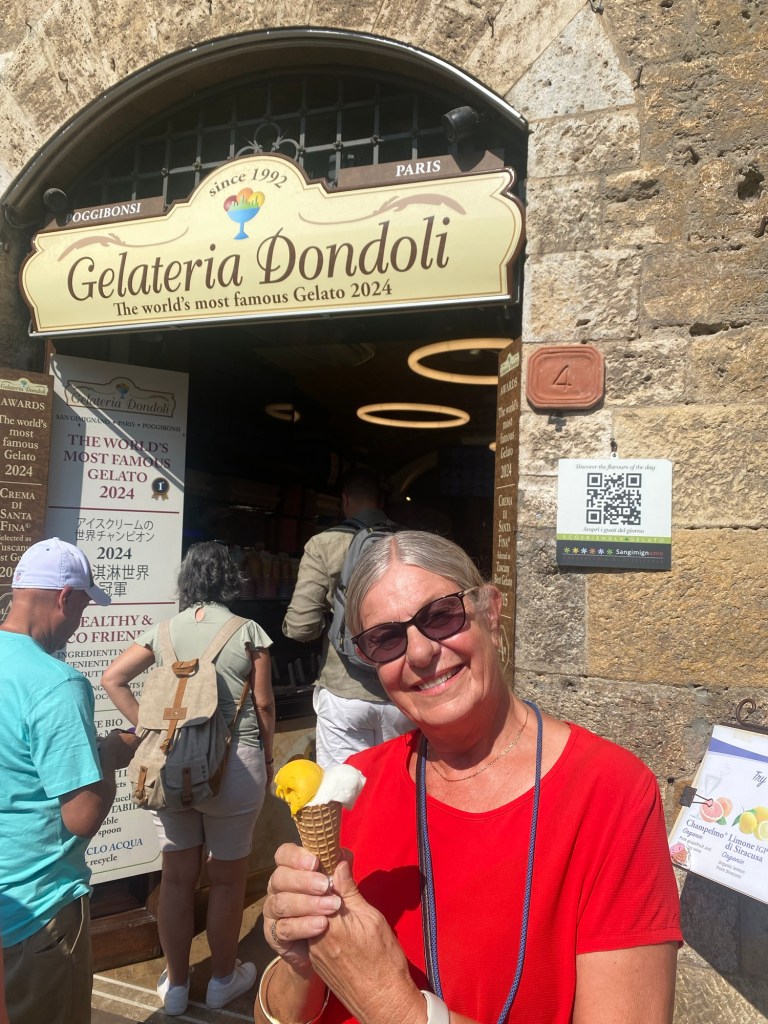
The first stop today is the little town of San Gimignano famous for its towers. At one stage the town had 73 towers but today only 15 remain. The height of your tower showcased your perceived importance. Sounds familiar. The town also claims to have the best gelato in the world so of course a delicious sample was consumed.
Our next stop was Sienna. We were taken to a huge city square. It is here that the famous Palio di Siena takes place twice a year. It is a horse race between all the rival neighbourhoods. The winners are very proud of winning but I’m sure the animal libbers wouldn’t approve.
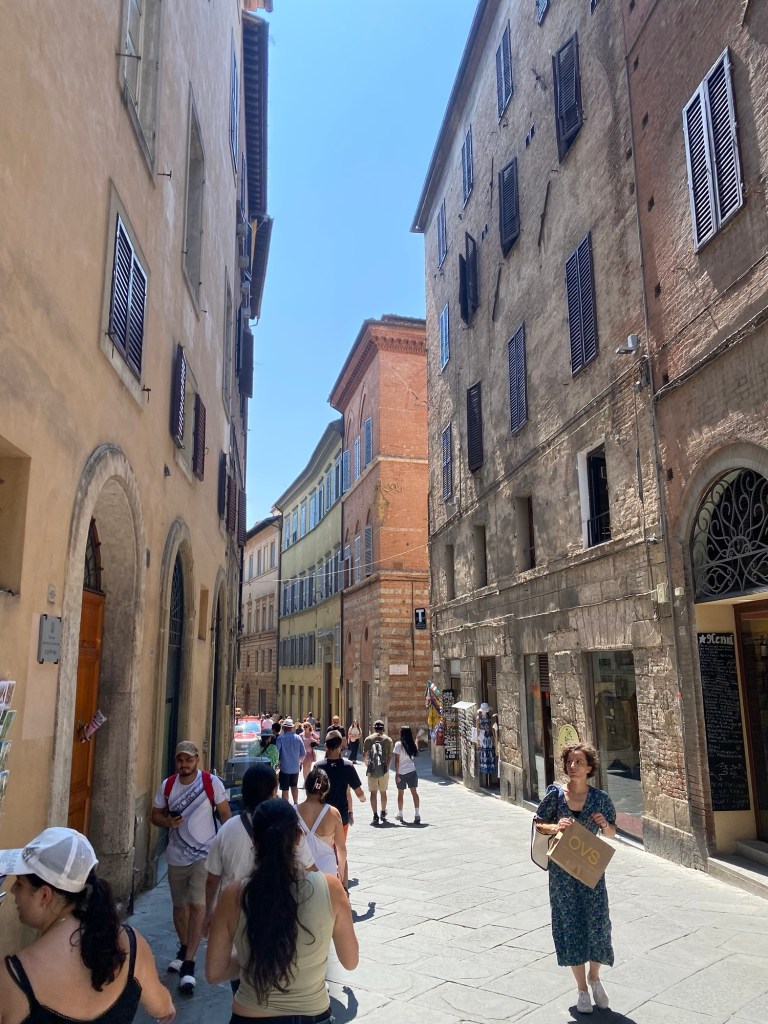
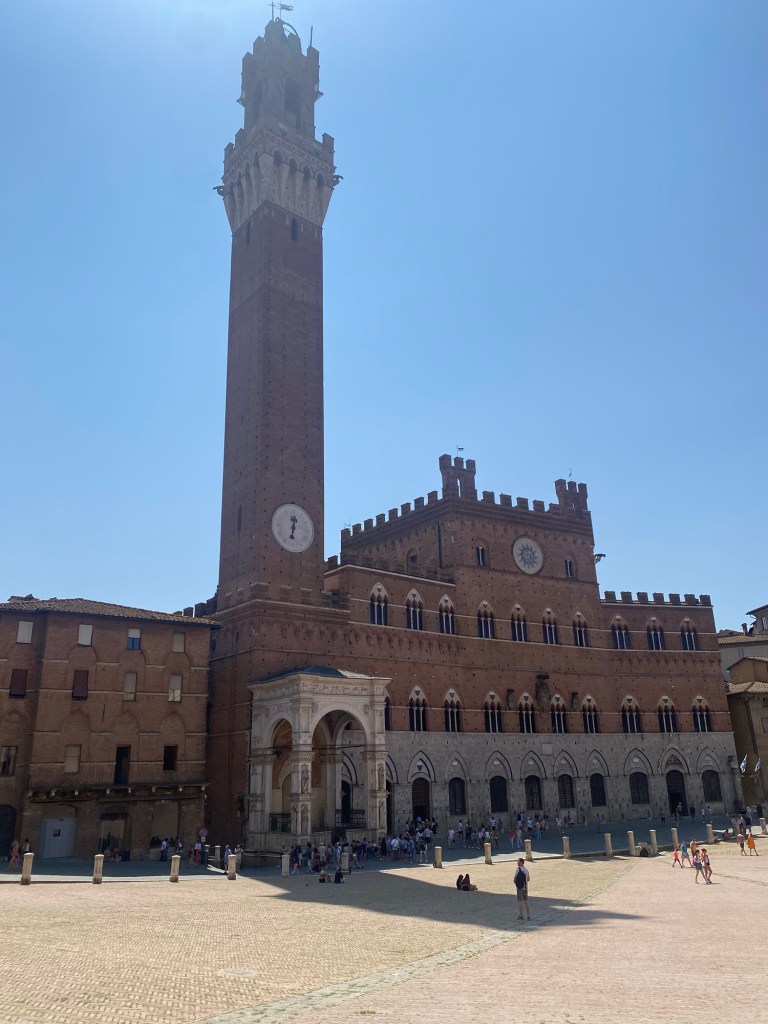
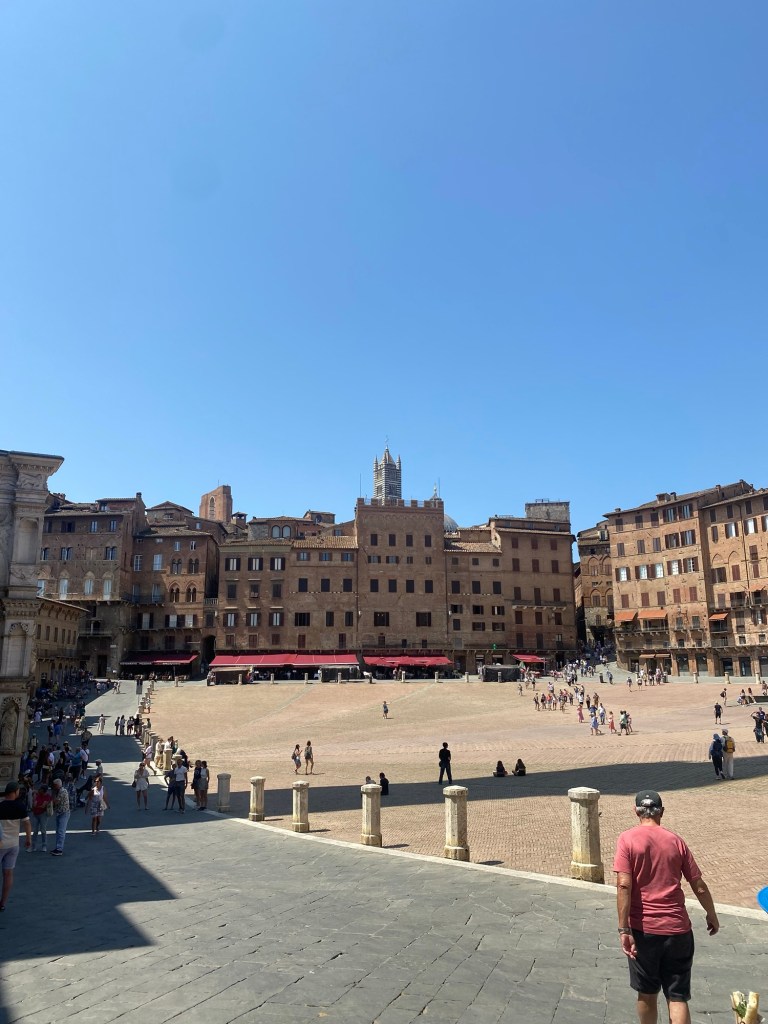
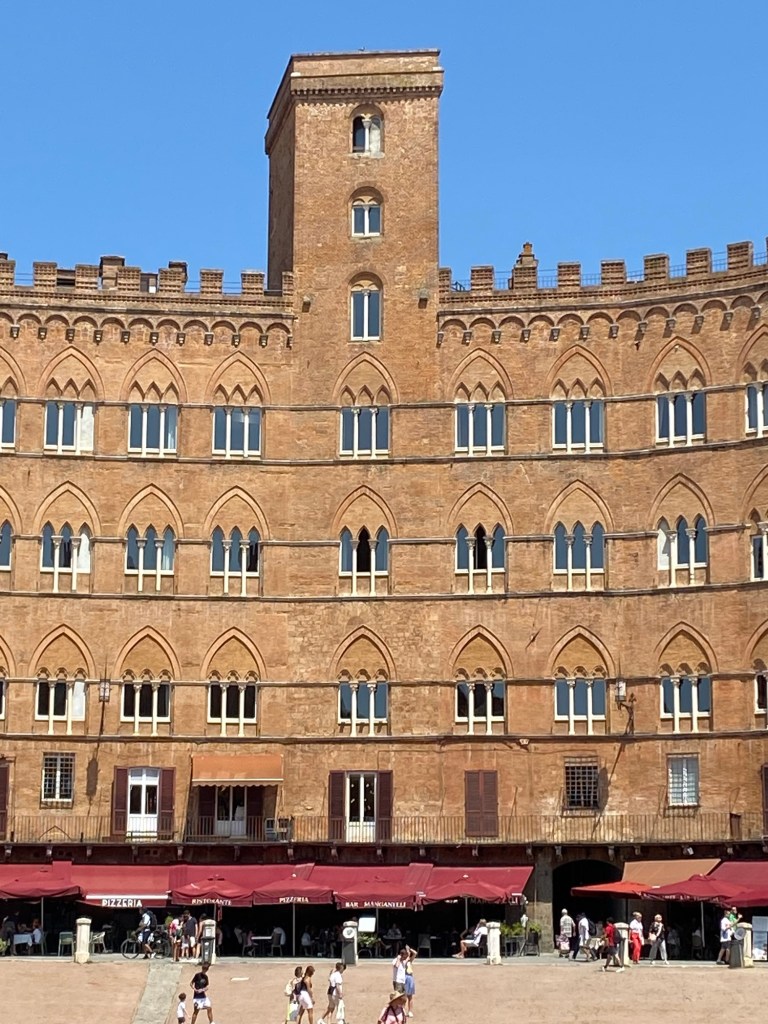
Again there is a lot of ancient history here. It was also a key pilgrimage route to Rome.
Day 11 Lazio Region
The food speciality from this region is alla carbonara and maritozzo (a cream bun.)
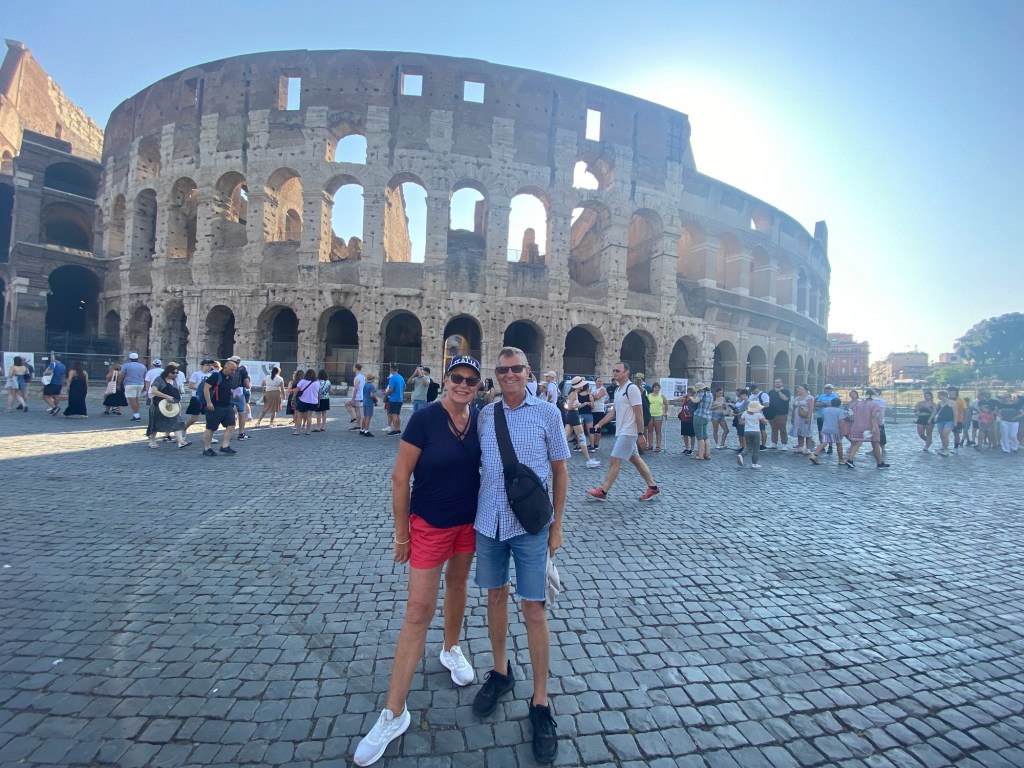
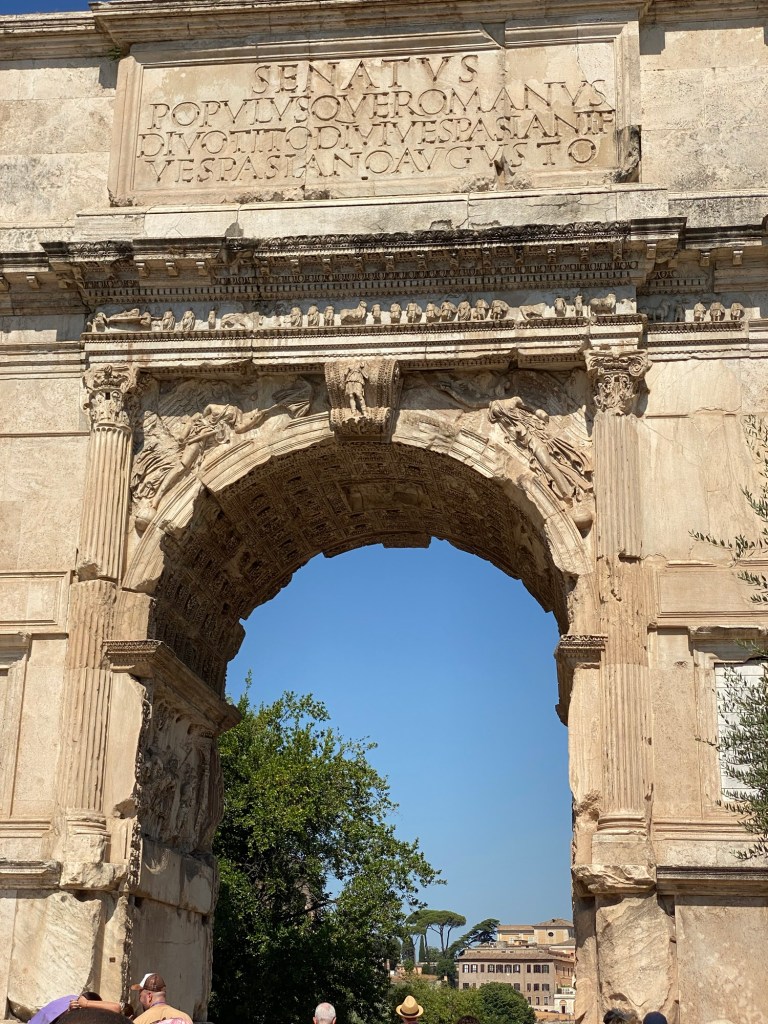
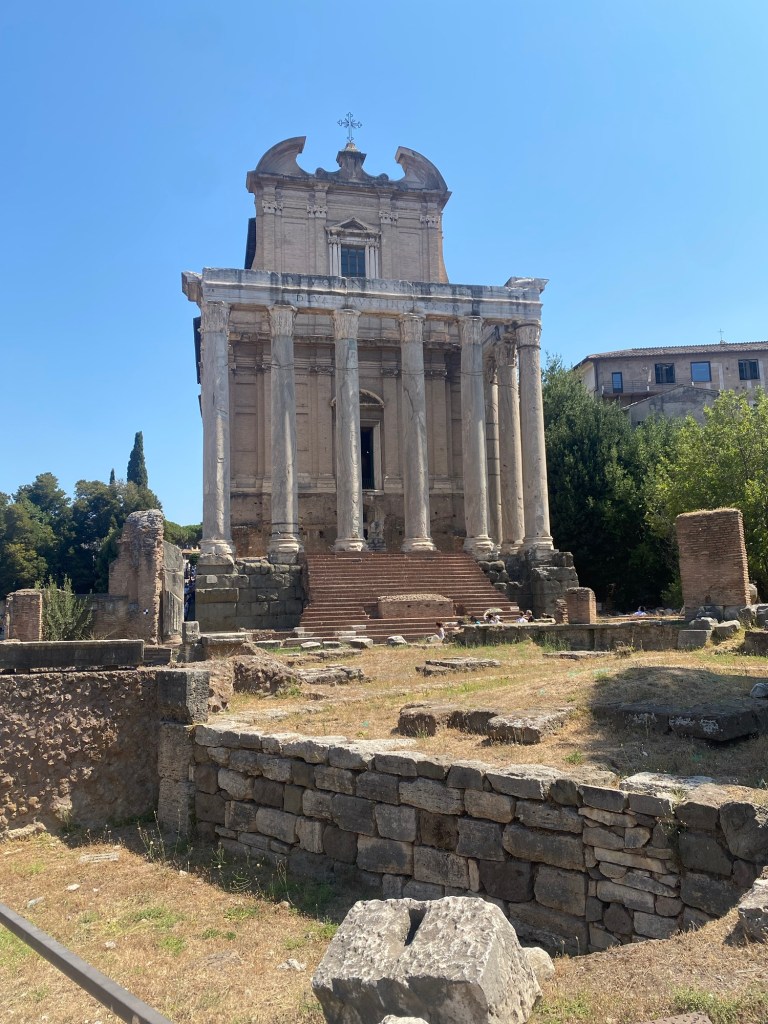
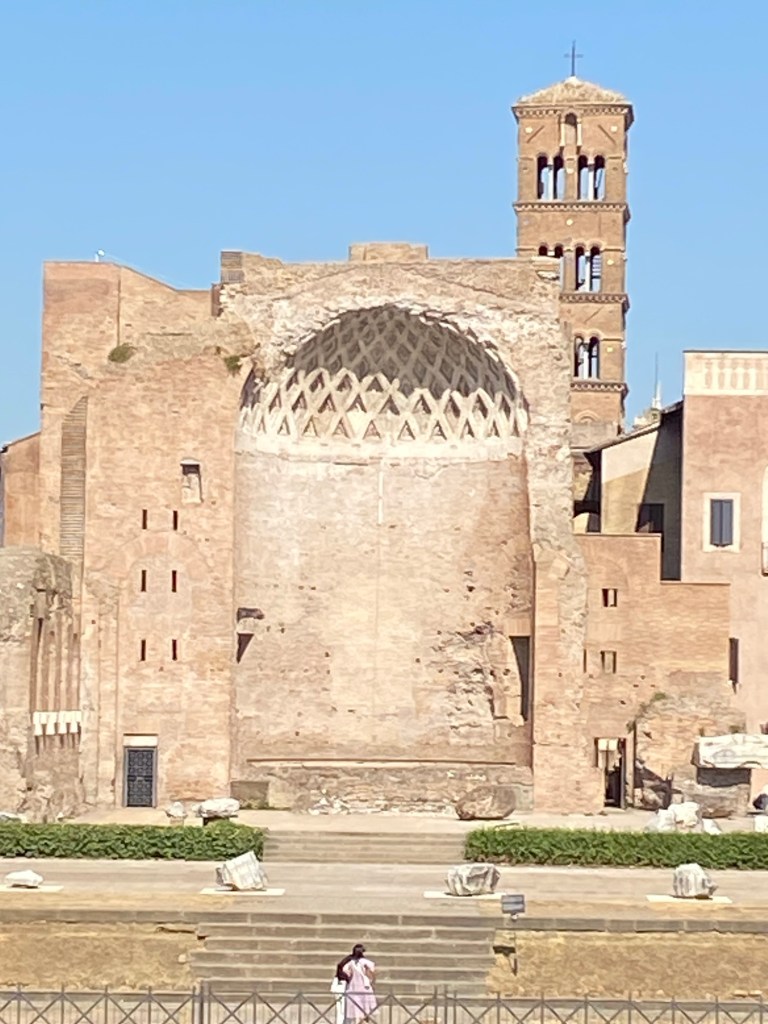
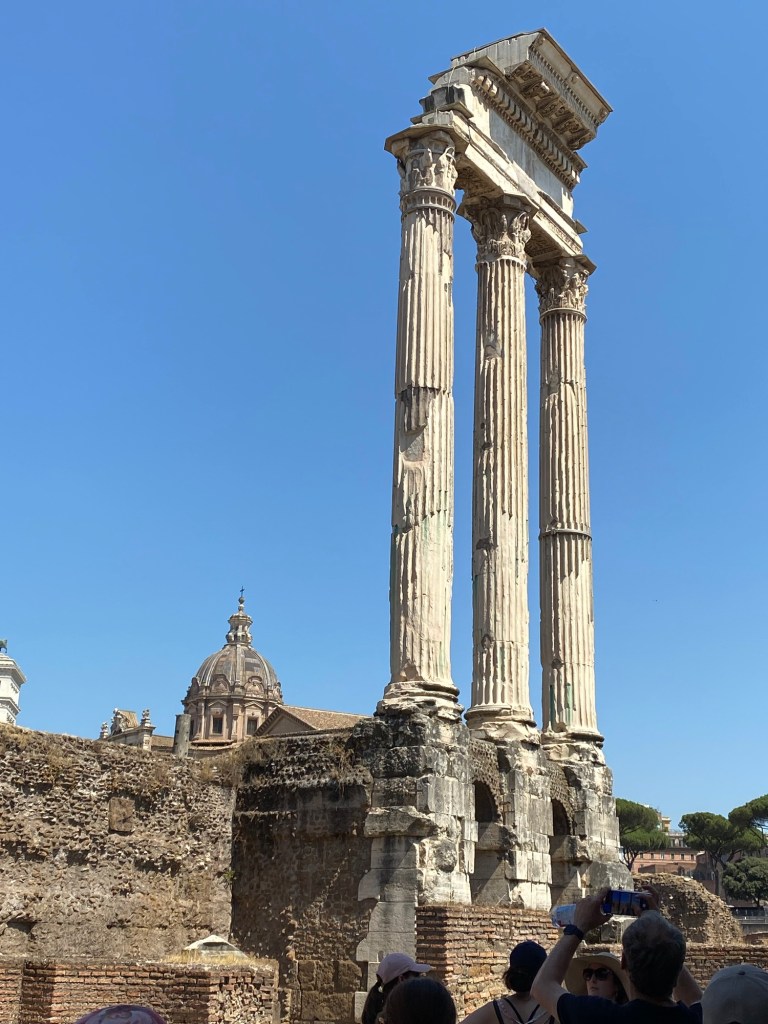
It’s the last day of our immersive Italy bus tour and we’ve ended up back where we started, Rome. This time we’re having a guided tour within the Colosseum, Palantine Hill and the Forum. Day 11 and you’d think we would be over it but all this history is incredible. Our guide described Rome as an outdoor museum which is a really good way of putting it. It’s really difficult to fully absorb over 2,000 years of history. What I took away from this visit was that the Colosseum was the forerunner to the modern sporting arena’s. Oval shaped, grandstands, gate numbers in Roman Numerals, 60,000 capacity, super boxes for the wealthy, members section, general public and food stands. And the first version of public toilets was interesting to say the least!
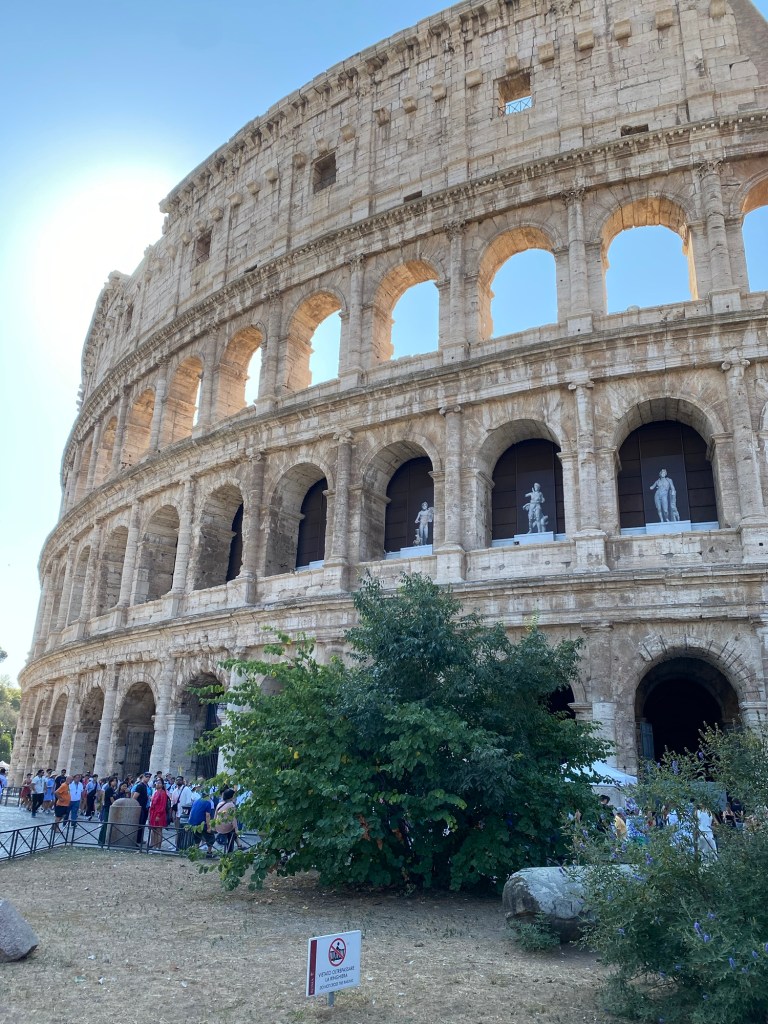
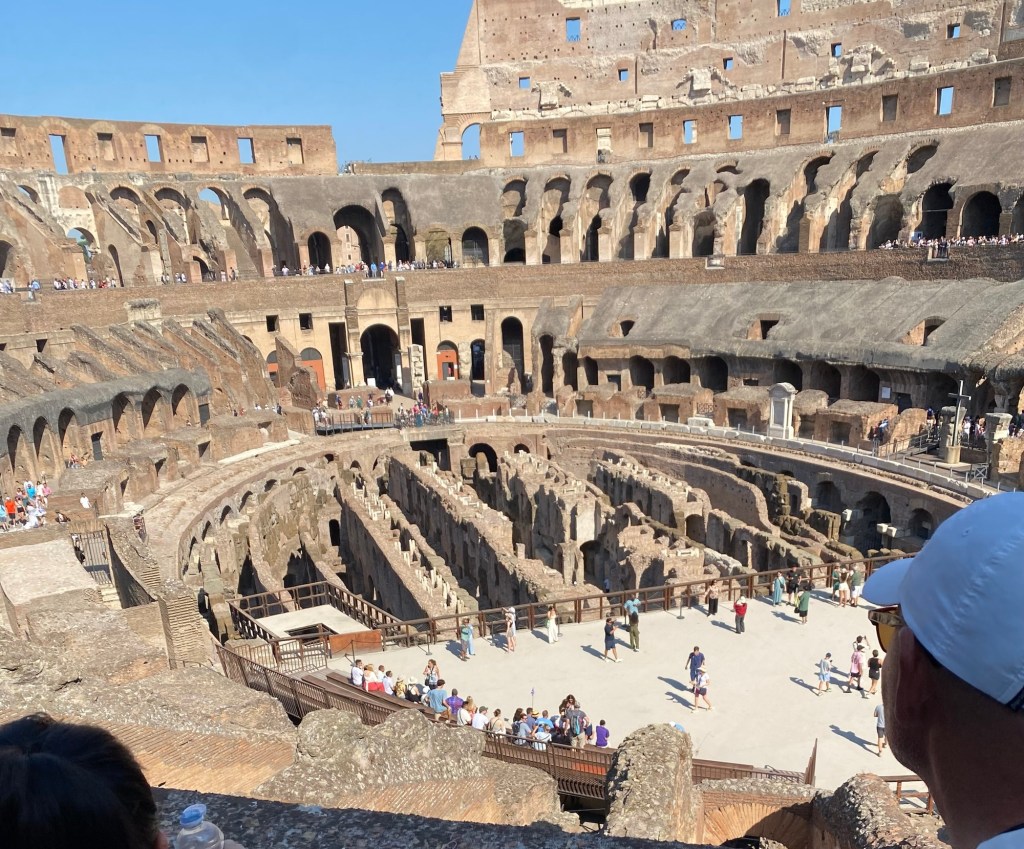
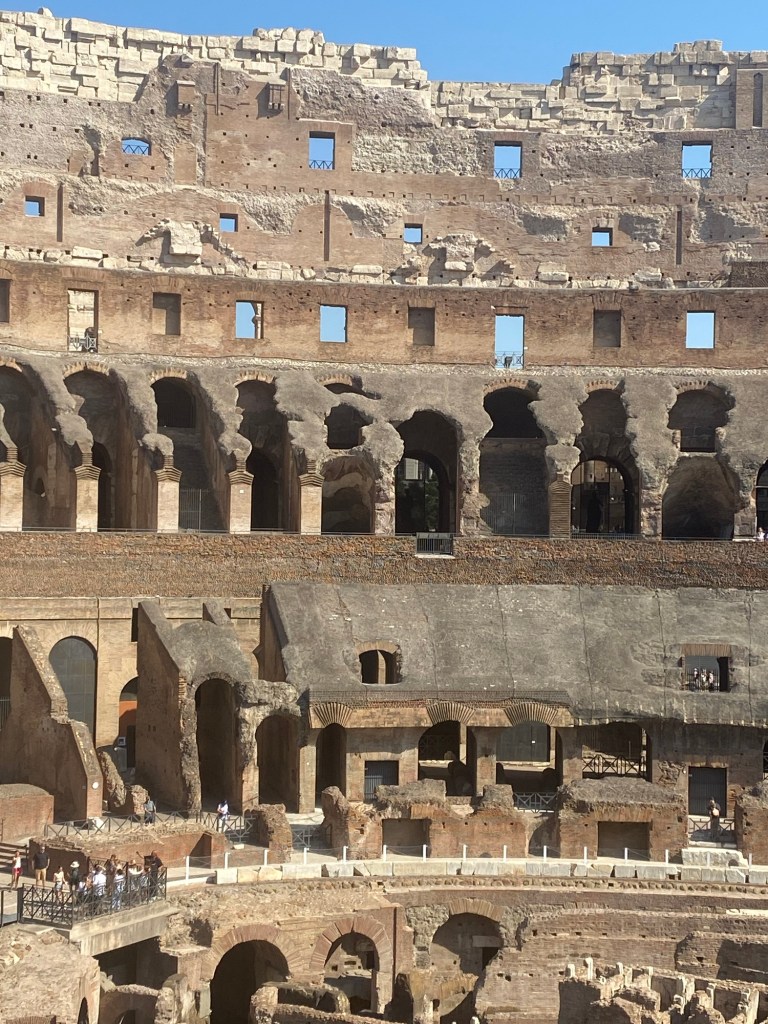
There are 900 churches in Rome itself and many of them stole the marble from the Colosseum for their building process. Evidently the Gucci family have donated 25 million dollars to restore what Marble is left.
It was a great way to finish our tour. Standing in awe of those that stood here before, walking on the same steps Roman Emperors entered the Arena and visualising what an empire this must have been.
Everyone on our tour was exhausted, young and old alike. That night at farewell drinks everyone said they’d had an afternoon snooze. Our tour guide warned us we’d need a holiday to recover from our holiday and he wasn’t wrong!
 Not in Cape anymore
Nothing quite like the European history!
Thanks,
Paige Kristalyn
Absolutely magnificent. Again, lotsa great photos! xx
Just beautiful, I have really enjoyed seeing photos of your holiday, thank you. Safe Travels wherever you are off too next. Port Macquarie sunny and 18. Take care